Presentation
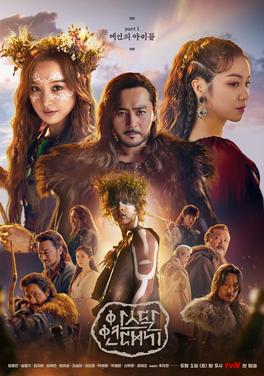
Korean Title: 아스달 연대기
Aired in: 2019 (18 episodes)
Channel: tvN
Grade: 10/10
Actors: Song Joong Ki, Kim Ji Won, Jang Dong Gun and Kim Ok Bin
For more…
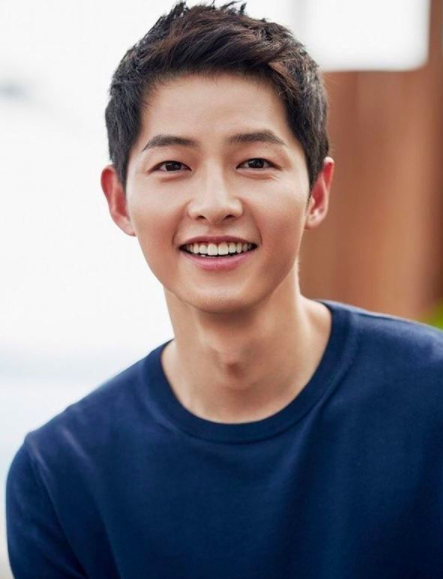
Song Joong Ki:
– Descendants of the Sun
– Innocent Man
– Sungkyunkwan Scandal
– Vincenzo

Kim Ji Won:
– Fight for My Way
– Descendants of the Sun
– The Heirs
– Lovestruck in the City

Jang Dong Gun:
– Suits
– Gentleman’s Dignity
– Taegukgi (movie)
Preview
Synopsis
Set in the mythical land of Arthdal, a power struggle between clans occurs, in which Tanya, Eunseom, Tagon and Saya have to fight for their survival.
My Opinion (No Spoilers)
Well, if you haven’t heard of it in 2019, you obviously have been living in a cave! I really loved it! I think the originality and novelty of the drama are really what drew me to it. Even though the story was complex and the plot really dense, it held me onto the back of my seat until the very end! I can’t wait to see the rest of it! Especially when you know that I waited 2 months for the 6 last episodes.
Also, it is Song Joong Ki’s comeback on screen, so a must-see! Moreover, the actors are all amazing (Jang Dong Gun is literally breathtaking, both physically and in his acting). Not forgetting that the screenwriters are none other than Kim Young Hyun and Park Sang Yeon, the minds behind The Great Queen Seondeok, Tree with Deep Roots and the Roots of Throne. As for the director, Kim Won Suk, we owe him My Mister, Signal, Misaeng and other pieces.
An over-the-top crew and cast in my opinion! Oh and it’s a TvN drama, what more is there to add!?
Analysis
- Global Overview
The tribes and clans
1. Wahan Tribe
2. Neanthal
3. The Ago Tribe
4. The Momo Tribe
5. The Doldambool
6. The Union
The mythology and the legends
1. Gods
2. Prophecies - The plot
The 3 parts
Characters’ paths
The ending - Reflection on the History of Men and Society
- Settings and costumes
- OSTs
Arthdal Chronicles aired in 2019 and literally blew a series of reactions in Dramaland. Whether you’ve seen it or not, whether you’ve liked it or not, you have definitely heard about it. And for good reasons indeed! The originality and freshness of the drama come from the fact that it is the first of its genre. I have never seen such a drama before, that has often been described as a sort of Korean Game of Thrones. I really understood why some fans of the series criticized the drama for being close to GoT’s ambiance and complexity, but rest assured it is not the same. Of course, the plot is complicated and complex, of course there are a lot of clans and tribes and yes, it is an epic journey for our main characters, who move from place to place; but you will soon realize, as you watch the drama, that there are clear differences.
Arthdal Chronicles has a very dense intrigue, with lots of twists and turns, so many in fact that talking about all of them would be impossible. However, for all of those who became interested in this novel genre, here are some elements that could help.
Global Overview
The tribes and clans: Let’s start with a quick recap of all the clans and tribes that exist in the mythical land.
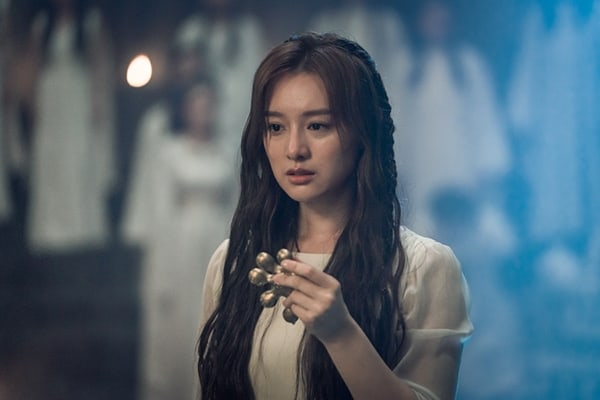
Wahan Tribe: First, you have the Wahan Tribe, that lives in a place called Iark. This place is very far away and you have to go through miles and miles of desert, unwelcomed territories (sometimes fiery ones) in order to get there. Yet, the Wahan Tribe lives there, in happiness and bliss. Its people have a very strong connection to nature and live their lives without worries. Because of the strong bond they have with trees, the sun and Mother Nature, their story is full of mysticism, legends and almost fairy events. The head of that tribe is the Great White Wolf, a high priestess capable of foreseeing and predicting the future. Her daughter is Tanya (Kim Ji Won) and she is bound to become the next priestess of the tribe. Still, she is young and doesn’t understand her future role. She doesn’t seem to have the same connection with nature that her mother has and is unable to feel or predict anything. Despite that, she still trains and has been trained all her life to assume that tough task.
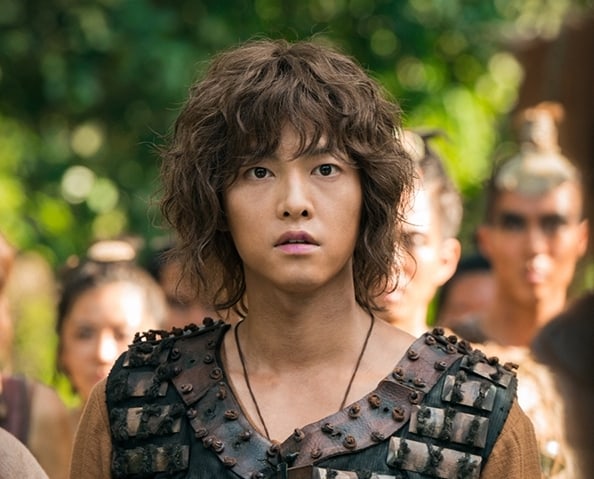
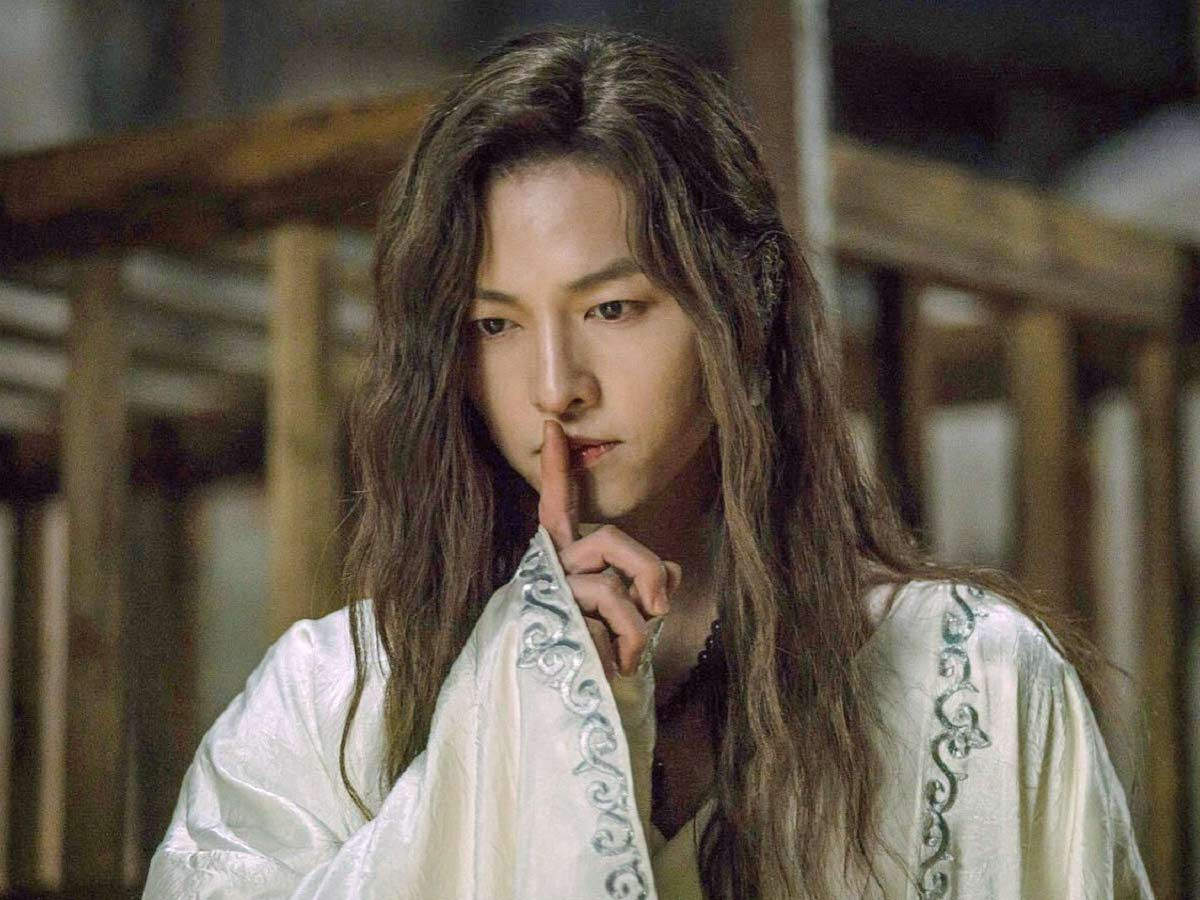
Years ago, a young man called Eunseom (Song Joong Ki) was adopted by the tribe, after his mother escaped from massacres in Arthdal and landed in Iark by chance. On the day of her arrival, she died, leaving her son behind. That woman was Asa Hon. Eunseom was raised by the Wahan Tribe, became close to Tanya (they even fell in love), but he was also mistreated by the clan, because he looked different. Considered an outcast and hated by the people (who thought he would bring disaster to their clan), he had to grow up alone and misunderstood. Only Tanya stood by his side.
In reality, it is true that Eunseom is different. First, his blood is violet (the rest of the tribe’s being red), then he can dream (thing that no one can do apart from the Great White Wolf). Finally, his past and his origins remain unclear.
The way the Wahan Tribe lives really made me think they were in the Garden of Eden, enjoying life peacefully and being carefree. That’s why, I could sometimes observe a biblical reference there!

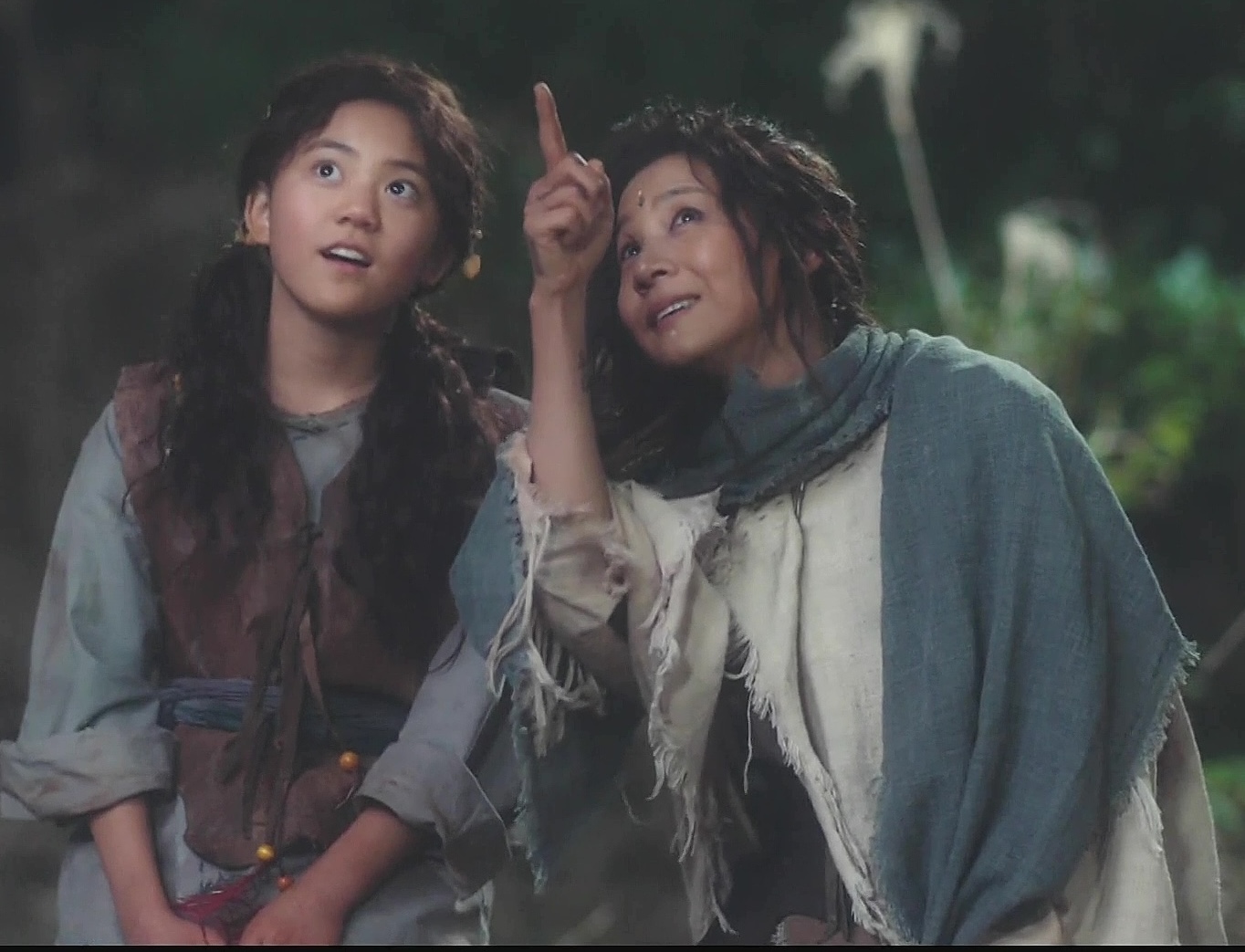

Neanthal: They are more a race than a clan, appropriately speaking. Compared to all others, Neanthal are the closest thing there is to beasts and animals. At least, that is how they are considered by men. Nweantal are a really ancient race, living in the woods, hunting their food like animals and sometimes behaving as such. This people is also very secretive and distrustful, it doesn’t mix with others. Even though, they are seen as beasts, they are actually very clever and see men’s greed, that’s why they don’t want to associate with them. Normally, they are not violent and don’t put themselves in conflicts with others. Because they refuse to make a deal with men, they are killed and exterminated.
From that clan, comes a character named Ragaz. Ragaz fell in love with a woman from Arthdal (so a humane): Asa Hon. She was the translator during the negotiating period between Nweantal and men. However, she realized that men betrayed Nweantal and killed them all, so she fled. She was helped by Ragaz, who protected her and together they hid in the woods. Asa Hon got pregnant and rescued another young Nweantal boy as well. She gave birth to twin brothers. Children born from the two races are called Igutu, have a purple blood (Nweantal have a blue blood for your information) and have extraordinary capabilities. Because they are also human, they are able to conceal their Nweantal part, but it remains quite easy to spot them. Unfortunately for Ragaz and Asa Hon, men found them. Ragaz left to protect his family but got killed. Asa Hon got separated from her second baby and thought him dead, so she left for Iark, hoping to find refuge in this dreamed land. Then you know it, she eventually found a place and the Wahan Tribe.

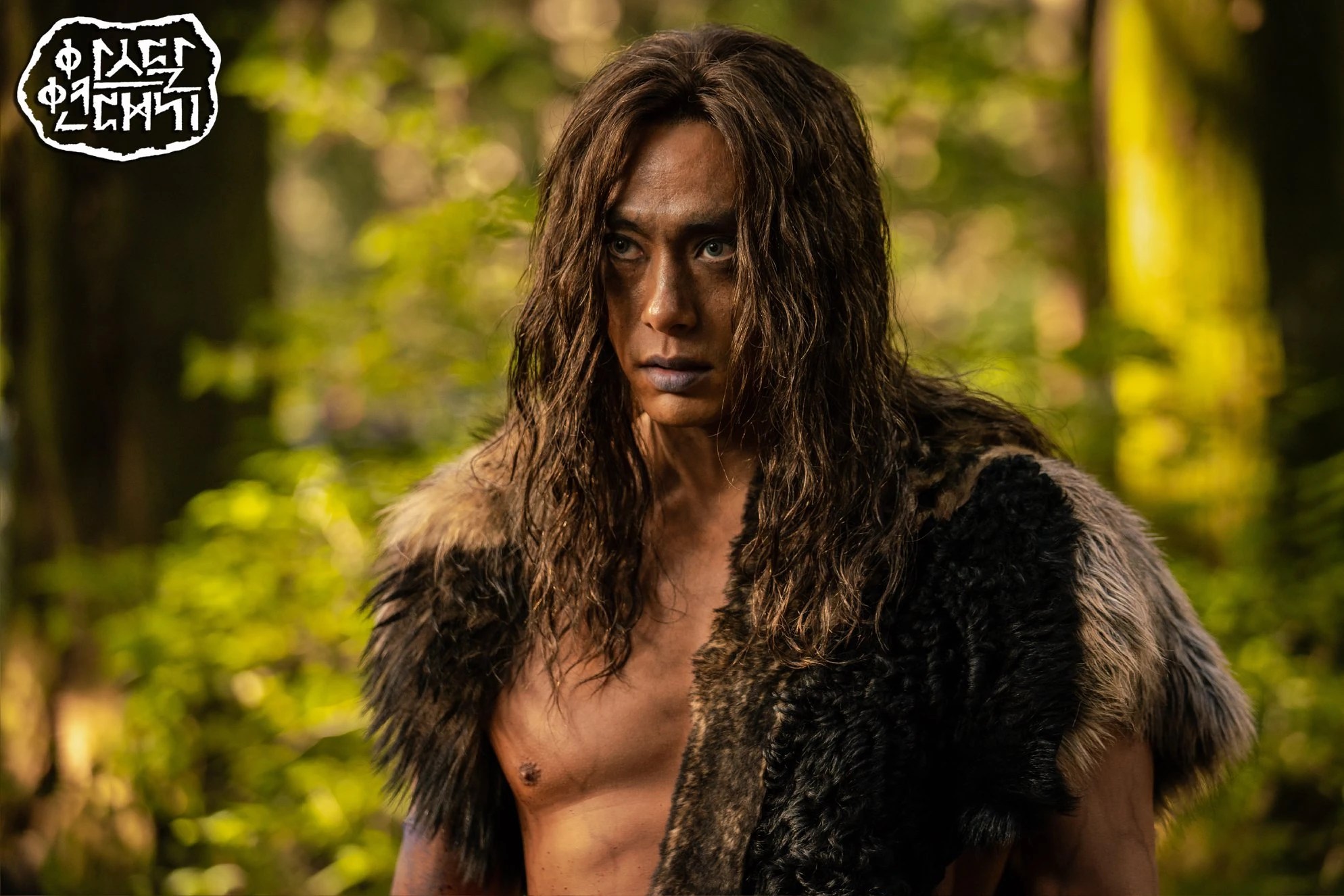
The Ago Tribe: Far in the east, you have the Ago Tribe. This tribe was split into two sides because of men from Arthdal and forced to fight each other in other to survive. They have been used as slaves and living in fear ever since the establishment of the Age of Men. The two sides of the tribe hate each other and are desperately waiting for the return of their God, as the prophecy announces it. The Ago Tribe’s particularity is that most of its people resort to lies, betrayal and backstab in order to survive. No one trusts each other.
The Momo Tribe: Living in the east as well is the Momo Tribe. The tribe is led by a woman called Karika (Erika Karata). She has the title of leader: Xabara and rules with an iron fist on her people. The Momo Tribe has a specificity; they are able to swim really fast underwater just like fishes. Their ability is considered a legend, because no one outside the tribe witnessed it.
The Doldambool: It is not really a clan nor a tribe, but still needs to be discussed because it will be useful in the explanation of the plot. The Doldambool is literally speaking a prison in which people from all tribes are taken and used as slaves. Their job is to dig deep into caves in order to find gems. Once in the hole, you have very little chance to ever go out. Actually, most of the prisoners die underground because of the lack of food, sleep or because of diseases.
The Union: The Union gathers several tribes: Daekhan, Saenyeok Tribe, Hwinsan Tribe and the Hae Tribe, to be quick. All tribes used to wage war against each other but decided to unite in order to conquer territories and expand their power. This is the tribe of men, residing in their capital Arthdal. Unlike other tribes, they have entered the Iron Age (forging steels and swords). Their ability to forge enabled them to dominate the rest of the tribes, incapable of defending themselves without the weapons nor the manpower. The Union is the closest representation of society in the drama. From that gathering come advantage (people are wealthier and safer mainly) and inconvenient. Indeed, everyone is greedy and egoistic, making his/her interest prevail over others’ lives. For that reason, living in Arthdal can be quite dangerous and a shock, when you have been sheltered from this mentality (as it is the case for the Wahan Tribe). The Union divides other tribes and clans, destroys them and turns them into their slaves, when need be.
At the head of that Union stands Tagon (Jang Dong Gun). He is a strong-willed, witty and ambitious man. His dream is to become the King of the Union and to conquer the world. He is clever and ingenuous and knows very well how to use others’ weaknesses at his advantage. Yet, he hides a secret: he is an Igutu. As the Union’s leader, he can’t reveal his identity, especially because he is famous for having killed a great number of Neanthals during the exterminating period. His father, San Woong (Kim Eui Sung) is aware of his origins and tried to kill him but failed. As part of his revenge, Tagon manages to kill his own father. He also takes over the military power through Daekhan forces and turns himself into the Union’s leader.
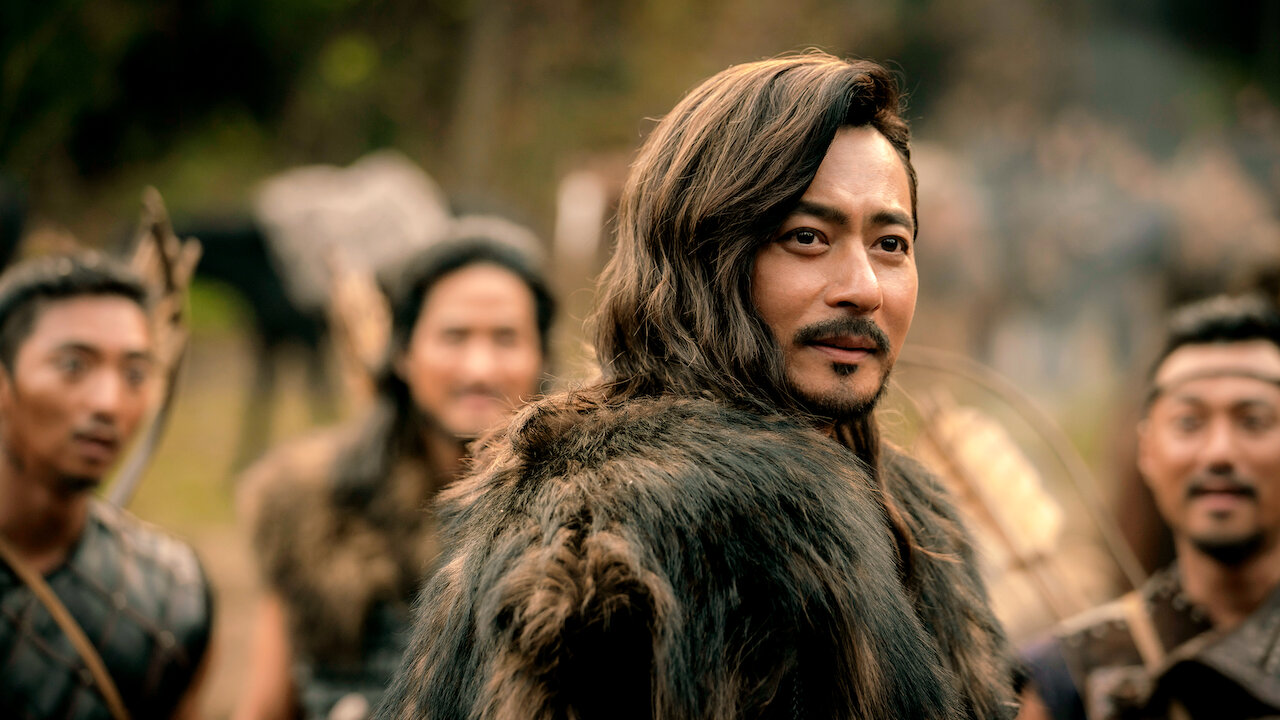

Tagon has a love story (rather complicated and far from being romantic, if you want my opinion!) with Taealha (Kim Ok Bin). She is the daughter of Hae Mi Hol (Cho Seong Ha), leader of the Hae Tribe. The Hae Tribe is the only one that knows how to use iron and how to forge it into weapons. That secret, only known by them, is the reason why the Hae Tribe is so powerful. Taealha is thus a powerful and authoritarian figure in the Union, shadowed by Tagon’s presence. However, she is head over heels for him, very loyal to him since her teenage years and they have an incredible connection. Meaning that they know each other so well that they are able to decipher the next actions the other is going to put into motion. Taealha is also really badass! She is ambitious, strong-minded and strong-willed, she knows what she wants and how to get it. She is very intelligent and sometimes sly. Her only weakness is that she has too much faith in Tagon. However, she knows that he is an Igutu, his Achilles’ heel.
Tagon and Taealha emprisoned a young Igutu, that Tagon found during the great massacre of Neanthal. That Igutu goes by the name of Saya (Song Joong Ki as well). He is in fact the spitting image of Eunseom, as he’s his twin brother. Yes, you understood, Saya, that Tagon brought back home, is Asa Hon’s baby she thought dead. Yet, Saya and Eunseom don’t know anything about each other’s existence. Saya has led a terrible life among Arthdal people. He was kept in room, not knowing who or what he was, not loved by anyone and mistreated by Tagon and Taealha. Taealha even killed Saenarae (BLACKPINK’s Ji Soo), Saya’s lover, creating bad blood between them. On the other side, Tagon makes people believe he is his son, in order to hide his identity.
The last important tribe of the Union is he Hwinsan Tribe. Their leader is Asa Ron (Lee Do Kyung), a high priest, who supposedly communicates with the ancient Gods. While the Hae Tribe represents the intellectual prowess and the Saenyeok Tribe the military power, Hwinsan Tribe embodies the religious influence. People revere and adore them as much as they fear their predictions. Their strength comes from their ability to translate godly messages through a dance that only one priestess masters. Still, the translation of these messages is most of the time tainted by Asa Ron’s ambition and greed, because he uses people’s faith and beliefs to his advantage.
The mythology and the legends: Now that I have explained the different tribes and their specificities, let me give some insights regarding the complex mythology that exists in the drama.
Gods: A long time ago, the land used to be filled with Gods and mythical creatures. The most notorious ones were: First Aramun Haesseulla, revered by Arthdal people because he supposedly is at the origin of the Union. He united men and helped them into prospering and bettering their lives. Aramun Haeseulla is said to have possessed the first horse, the fastest horse ever, called Kanmoreu.
Then you have Asa Sin, directly connected to Gods. Asa Sin is said to be the one communicating with Gods and is therefore loved by the Hwinsan Tribe. Its people are actually indirect descendants of Asa Sin. Asa Sin is supposed to come from a faraway land, a place from which all men came from: Iark. In other words, the Wahan Tribe and its people are the direct descendants of the first men, who created the Union. Therefore, Tanya being the Wahan’s high priestess, she is also Asa Sin’s descendant. This is the reason why Tanya is able to rapidly climb the ladder and attain a high status. She is almost unstoppable and rules over people’s faith.
Apart from them, on the east side, lives the Ago Tribe. This tribe also has its own God: Inaishingi. It is said that 1,000 years ago, Inaishingi survived the terrible Judgement of the Waterfall (that consists in being tied up to a wooden board and thrown into literally the Niagara Falls! If you are able to survive, you are considered as the reincarnation of Inaishingi). Of course, Eunseom manages to survive the fall, thanks to the Momo Tribe (that swims fast underwater, remember!). Therefore, he is elevated to the status of God and people from the east expect him to unite and protect them.
There are also some other figures like Airuju for instance, but not as important to the story as these other icons.
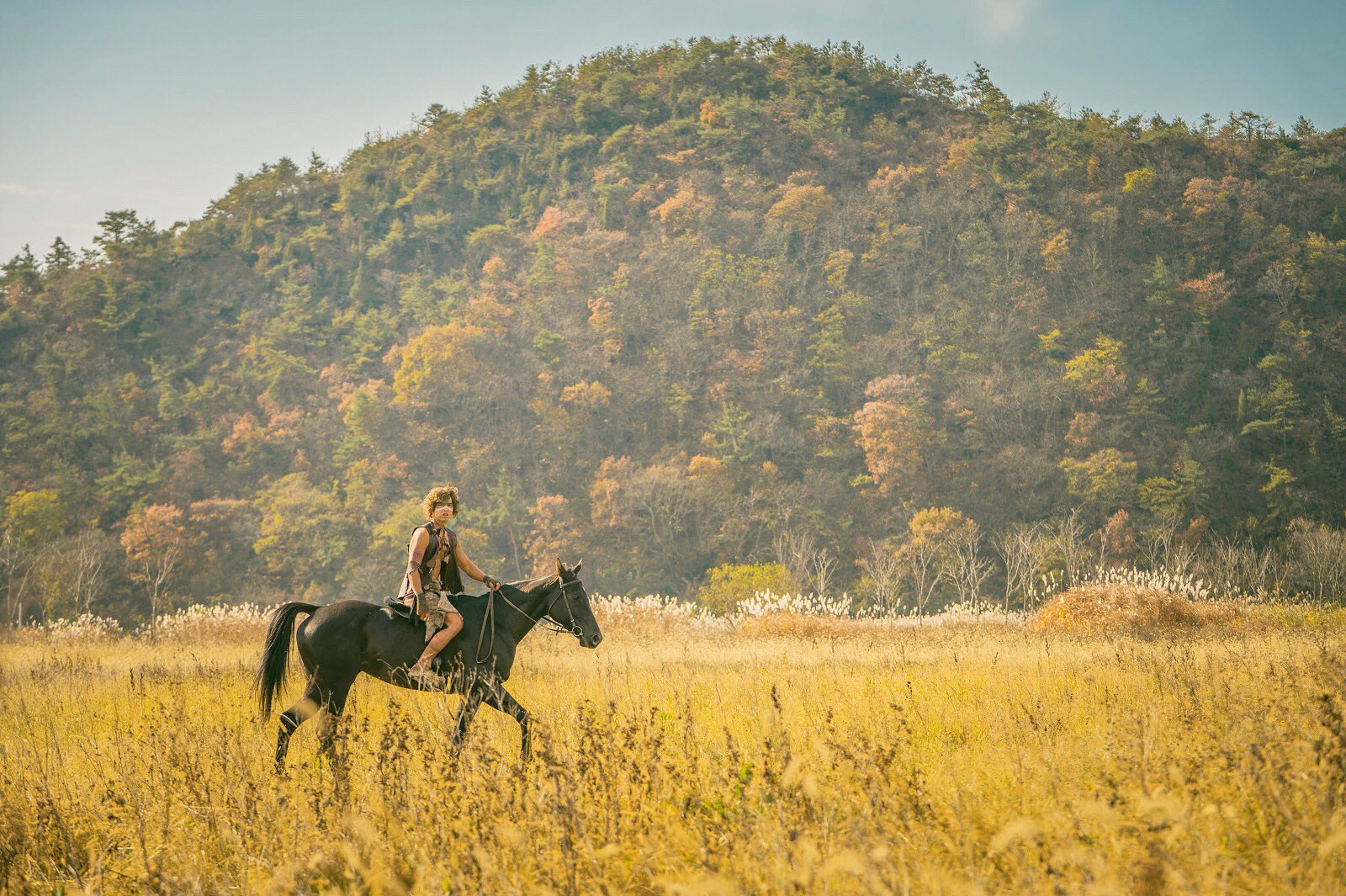

Prophecies: Arthdal Chronicles relies on legends and prophecies that are given and explained throughout the drama. Several times, we get some more insights regarding the veracity of the sayings and the actual turns of events that take place in the drama.
Episode 2 ends with these lines, as Eunseom manages to flee on a very fast horse:
“In ancient times, mankind came down from trees, learned to use fire and began making sharp blades, invented wheels and starting paving trails and finally learned to plant seeds and settled in one place. But they did not have a nation or a dream. Saram didn’t have dreams and had not yet reached the top of the great pyramid of nature. The glorious land of our ancient mothers. This place, Arth.”
Well, there are a lot of things in that monologue that actually attracted my attention. First, it seems like the drama is doing a recap of Men’s history, explaining their evolution, how they got stronger and what they learned throughout years and centuries. But, then comes the sentence “they did not have a nation or a dream”. That sentence literally means that somewhere else, maybe in the land of Iark, mankind did the exact same thing as those in the Union. Mastered fire and everything. The drama seems to tend towards that hypothesis explaining that it turned out so bad that some of men, the first men, fled that place to return to nature and settled in Iark, far away from the troubled places. So the Wahan Tribe’s ancestors couldn’t stand life there and went away. Mankind probably destroyed itself, living behind the only people from that time: Those who fled for Iark, making them so important after for the new generation of men, and gathering around common beliefs.
So maybe those who did not have a nation or a dream are those who decided to leave everything in order to connect with nature again. If you think about it, it is true that the Wahan Tribe lives without a nation and has no dreams. Dreams can represent ambition and desires that need to be fulfilled. Because they don’t lack anything, Wahans don’t dream. They have no ambition whatsoever. Only Eunseom can (because he is not from their tribe) and Tanya (because of her genealogy).
Saram, for me, is the name given to the men who fled and had to go through hostile territories in order to find their promise land. Then, they were taken back by men as slaves and brought back to Arthdal, under the name Wahan Tribe.
Another interesting prophecy is that of the children. It is the theme that englobes the 6 first episodes. Part 1: The Children of the Prophecy, presents the context and the characters, as well as the beliefs surrounding the birth of 3 children on the same day under a special omen.
Each child (Tanya, Eunseom and Saya) have in their possession one of the 3 heavenly objects. Tanya has “the bell to echo thoughout the world”, Eunseom “the sword to slay the world” and Saya “the mirror to illuminate the world”. The 3 of them being responsible for “the end of the world”. For me, the end of the world refers to the end of the Iron Age, the terrible times in which greed and power prevail over life and people. They are announcing the start of a new era. Plus, each of them come from a different world: Tanya from the Wahan Tribe, Saya from the Union and Euseom is a mix between them and Neanthal as well before becoming the leader of the Ago Tribe. Considering the prophecy and the evident connection between these three characters (twins and love story), they are bound to change the face of the world as it is currently known. That is, for the better if they agree to work together or for the worse if they turn against each other.
The plot:
The 3 parts: Part 1 Children of the Prophecy clearly exposed the situation, context and characters. I loved seeing how different Eunseom and Saya turn out to be. The first one is kind, empathetic and innocent. He learns the ways of the world roughly, but refuses to resort to betrayal, lies and wickedness. Instead, he conquers people’s heart in the east by protecting others and holding his promises.
Saya on the other side was brought up in the world of men. Even though he greatly suffered, he decided to play by their rules in order to survive and protect himself. He is sly and also egoistic. I have to say, I still have troubles understanding his motivations or foreseeing his actions. So both twins are totally different.
Tanya is quite innocent at the beginning and doesn’t understand how man can be that evil. She eventually comes around and discovers that she has to gain power in order to protect those she loves (Wahan and Eunseom). What she does in the end by becoming the strongest leader of the Union.
Part 2: The Sky Turning Inside Out, Rising Land, emphasizes Tanya’s ascension, thanks to Saya’s help. The title for me is a clear reference to the location of the star bell she is able to access thanks to her dance moves. On the other side, Rising Land refers to Eunseom’s conquest of the east and wandering among various tribes uniting them at the same time.
Part 3: The Prelude to All Legends is linked with the prophecy from episode 2 (the one mentioned above in this review). Maybe, the story is cyclical and simply repeating itself. Eunseom, Tanya and Saya might be the Gods from the legends and their destiny is forging what becomes the legends told centuries after.
Characters’ paths: All characters in the drama have to go through a very long journey before landing where they are supposed to. Tanya and Saya don’t move a lot compared to Eunseom. Indeed, they mainly stay in Arthdal among Union’s people but their journey is more that of an ascension in terms of status and power rather than a physical one. Tanya is captured in Iark and brought back to the capital with the Wahan Tribe. Then she gets power inside the Union. Saya on the other side, comes from the Union and ascends the same way.
As for Eunseom, he has to go through a lot of ups and downs. He arrives in the capital to get Tanya back, before having to run away after Tagon frames him for his father’s murder. He is sent out of the capital and arrives in Doldambool where he meets several of his allies underground. Among them, Sateunik (Jo Byeong Gyu) from the Momo Tribe and Ipsaeng (Kim Sung Cheol) from the Ago Tribe. Before his death, Sateunik makes Eunseom promise he would go see his wife and tell her about him. After escaping, Eunseom does so accompanied by Ipsaeng. They meet Sateunik’s wife and at the same time encounter Xabara, the leader of the Momo Tribe. They are attacked that night and Eunseom saves Xabara’s son who has now a debt towards him. Eunseom then goes back and forth in the Momo Tribe with Ipsaeng and eventually survives the Judgement of the Waterfall thanks to Xabara’s intervention, paying him back for her son’s life. Eunseom thus becomes Inaishingi, the reincarnation of the God and unites the Ago Tribe. Such a large crowd that it becomes a problem for Arthdal, sensing the riot.
The ending: At the end of the drama, Eunseom and Tanya have both achieved their goal: becoming more powerful to rescue the other. Yet, they are still so far away from each other! At the same time, Saya emerges as a potential obstacle in their reunion, planting the seed of a potential discord if not war. Tagon also achieved his goal by becoming King of his country.
Interestingly, even though Tagon is crowned King, I kept thinking that the true Queen is in fact Tanya who captured the hearts of the people. She is still lacking some power though because of Tagon supported by Taealha who wants to conquer the east (the Ago Tribe).
Opposite to them stands Eunseom as the King/God of the east.
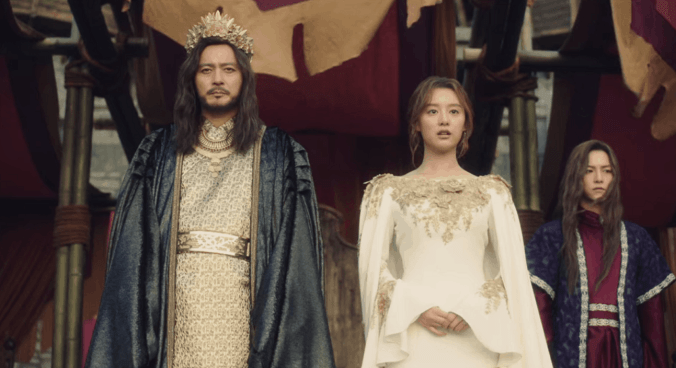
There is a clear evolution and development of the political situation at the end of the drama. The Union doesn’t exist anymore, Tanya creates instead a united country made up of people she calls “subjects” (in Korean baekseon, ‘baek’ meaning 100 refering to the 100 of possible things you can do and become, and ‘seon’ is the word star in Arthdal Chronicles’ language, also referring to Tanya’s conversation with her mother). She wishes to make it a land where “you can start at the lowest, but can become anything”. She creates an entire new world made up on an equality basis, but Tagon and his blind greed come tainting it.
Actually, I can clearly see how the leader can influence the fate of this new country. If Tanya and Eunseom, who has the same principles (because of his education in the Wahan Tribe and his actions with the Ago Tribe), manage to lead the country, people will prosper and thrive, enjoying bliss and equal treatment. On the contrary, if Tagon and Taealha, who are too corrupt by men’s ways, lead, it will literally destroy the world (because of Tanya who crowned Tagon helped by Saya and Eunseom who instigated the revolt). The next chapters in the drama will tell us which side of this double-edged sword is used.
Even Eunseom comes to that conclusion with the last sentence being: “Will it lead me to Tanya or divide us?”. Great question, I can’t wait to see the rest of it!
Reflection on the History of Men and society: Entering now the real analysis of the themes tackled, Arthdal Chronicles is a clear reflection of men’s History and actual society with a touch of criticism.
When the Wahan Tribe is brought back into the land of Men, their innocence is broken. They discover the disgusting ways men are using to achieve their goals. First, the link with nature is broken, which is also true today. We are in the Iron Age, in which steel, weapons and machineries govern. Nature has been relegated to the second level, if not completely forgotten. Instead of trees and plants, money and coins have taken over. Is it a criticism of capitalism in our actual societies? Or maybe an environmental-friendly longing? Or both? That I don’t know for sure.
There is no communion with nature indeed, but even between people. In that world dominated by greed, power and desires, trust is long gone. It is a world of solitude; in which everyone fears for the next betrayal. Once again, I can draw there parallel between that world and ours. People don’t care about each other anymore, we are more interested in fulfilling our desires than in creating a safe and solid community. Collective mindset is crashed by the individualistic and egoistic one.
Hierarchy and the lack of equality is also criticized. I understand that point of view especially when you consider that South Korea is an elitist country (in terms of education, job…), in which being born at a certain level in society can hinder you in your future. It is possible to climb the social ladder of course, but very difficult to do so.
Finally, slavery and I would even say colonialism, hold a great place in the drama. Indeed, considering South Korean and even human History, our past is filled with invasions, conquests, and overall destruction of people, cultures and histories. Many tragic events whose consequences are dramatic.
Settings and costumes: The originality of the drama comes from the story but also from the settings and costumes as well (Taealha’s dresses for instance and the Wahan’s flowery crowns). An entire imaginary was constructed in order to create that drama: A language, signs, a mythology, costumes, rituals, clans and even a broad map (cc the opening theme). All of these give even more strength to the plot.
OSTs: If you haven’t listened to it yet, I seriously recommend you go check Ailee’s OST “Poem of Destiny” that is just amazing and perfectly adjusted to the drama’s ambiance.
P.S.: For those who have watched the series The OA, am I the only one seeing a resemblance between both dances?
 Once Upon a Drama
Very good blog?…, people are talking about this on our blog.🔥 ⚡
LikeLike