Presentation
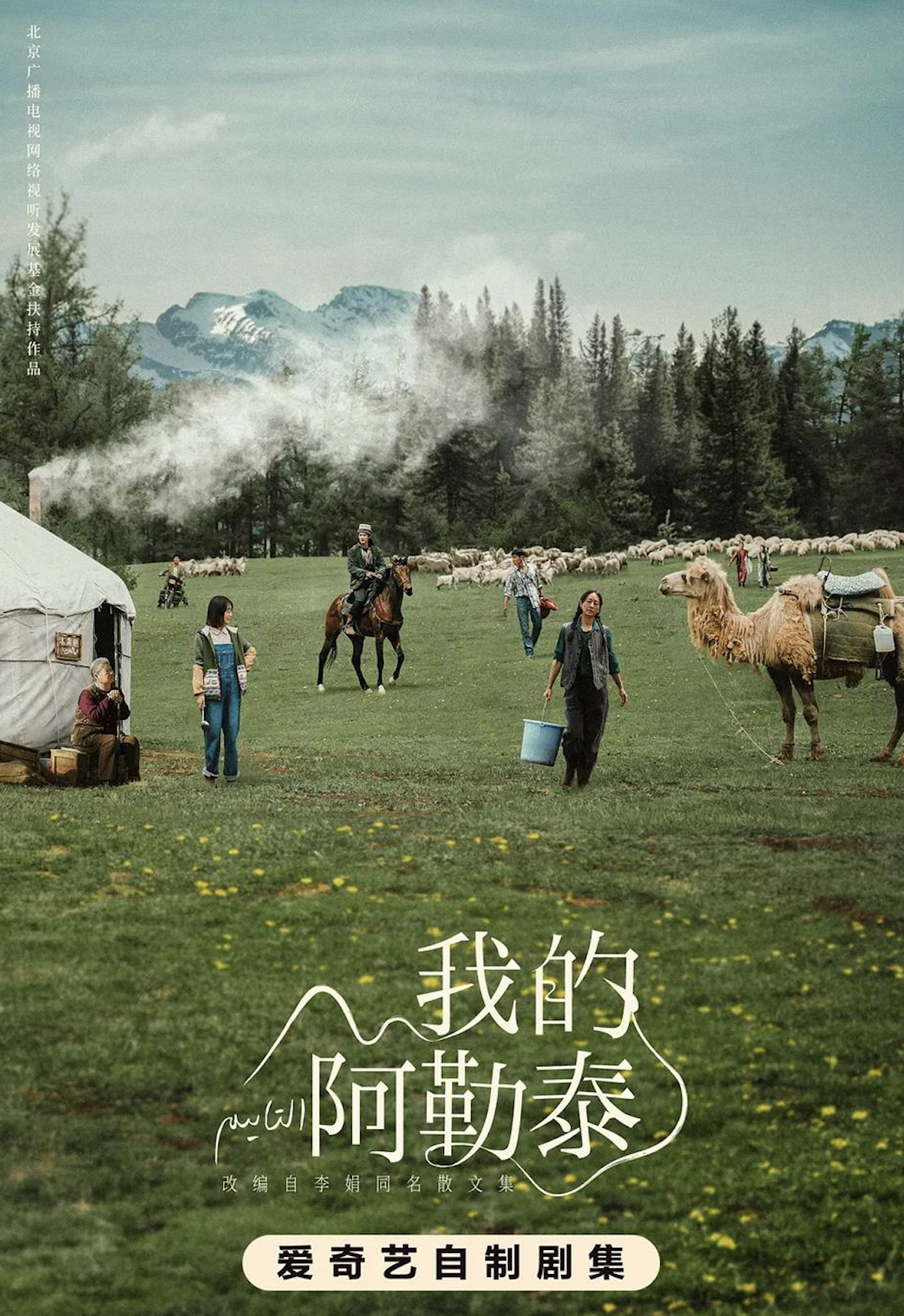
Korean Title: 我的阿勒泰
Aired in: 2024 (8 episodes)
Channel: IQIYI
Grade: 10/10
Actors: Zhou Yi Ran, Yu Shi & Ma Yi Li
For more…
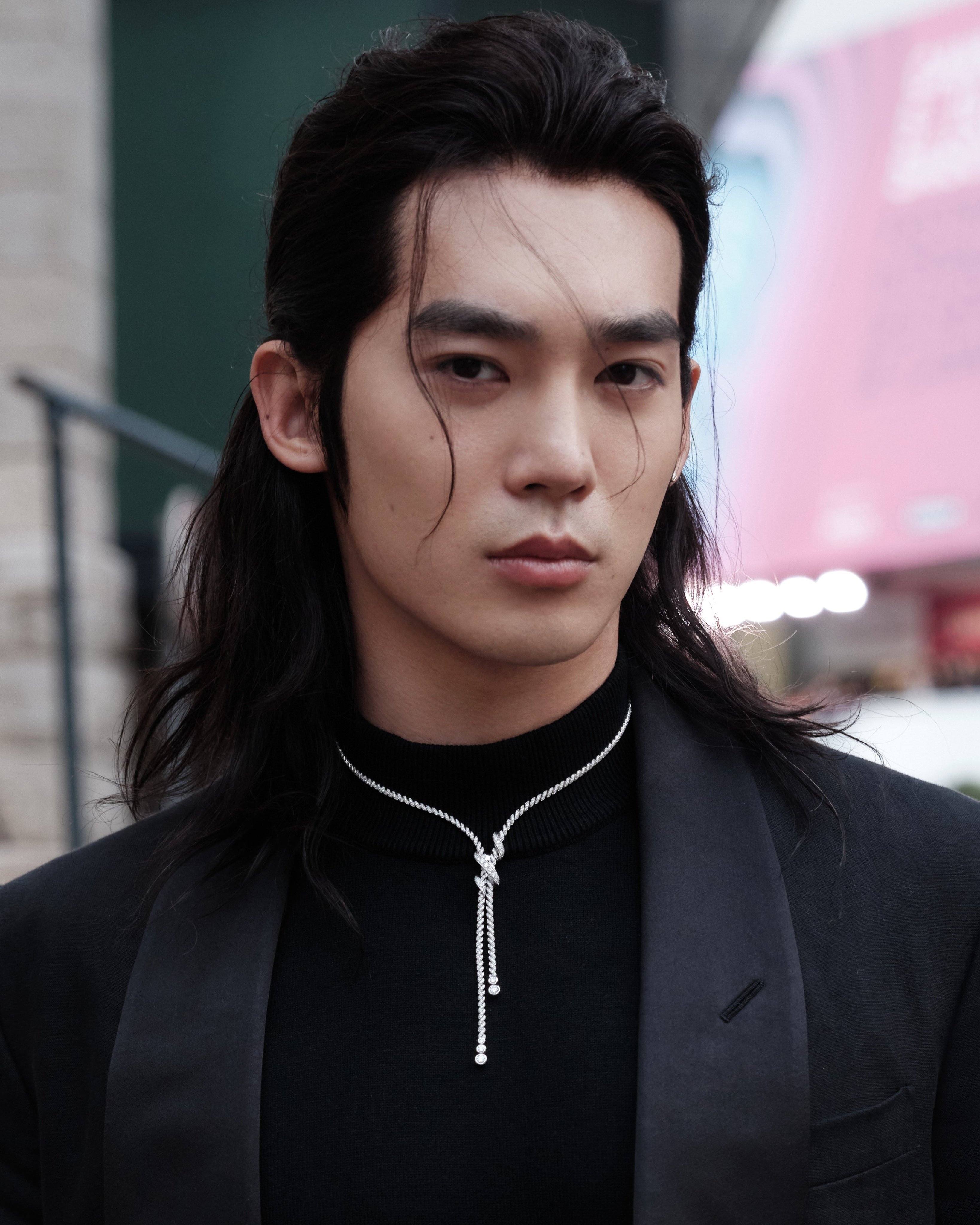


Yu Shi:
– Born to Fly (Movie)
– Creation of the Gods I: Creation of Storms (Movie)
– Welcome to My Side (Movie)
– Die Now (Drama)
Zhou Yi Ran:
– Nobody Knows
– Song of Life
– Our Ordinary Days
– Regeneration
Ma Yi Li:
– Bright Sun and a Gentle Breeze
– Little Daddy
– The First Half of My Life
– Miss S
Overview
Synopsis: Li Wen Xiu is a young Han girl who dreams of becoming a writer but lacks inspiration. After an unsuccessful year living in the city, she goes back to her hometown in a small village located in Xinjiang Province. There, she gets acquainted with Kazakh nomads and a young man called Batay. Wen Xiu then embarks on a journey made up of love, traditions, inspiration and life.
My Opinion (No Spoiler): To the Wonder is so far my best discovery of 2024! This drama is a real hidden gem, extremely well cut and polished. The story totally immerses you in the lives of Kazakh nomads, as you get to discover their lifestyle, traditions, struggles but also the beautiful landscapes they scour. This show is an ode to life, to nature and to love. It depicts the ordinary lives of ordinary people with such respect and poetry that you feel as if you’re a member of that community. Not going to lie, To the Wonder made me want to escape by taking a plane right away to Northern China to resource myself! On top of that the romance is slow-paced, simple, but yet so sweet; and the direction is chef’s kiss – I mean the cinematography is absolutely breathtaking! Everything in the drama just feels right, and it’s such a great feeling. The drama is only 8-episode long, absolutely binge-worthy in one afternoon (that’s what I did) and so addictive, you’ll have a hard time letting it go.
Analysis
- Geographical context
- Kazakh nomads, between tradition and modernity
The lifestyle
Modernity within tradition
The struggles of the nomads
1. The weight of traditions
2. The fate of women
3. Protection of nature
4. Acceptance of outsiders - The values
Relationship with animals
Women empowerment
Family - The romance
- Cinematography, pace and aesthetics
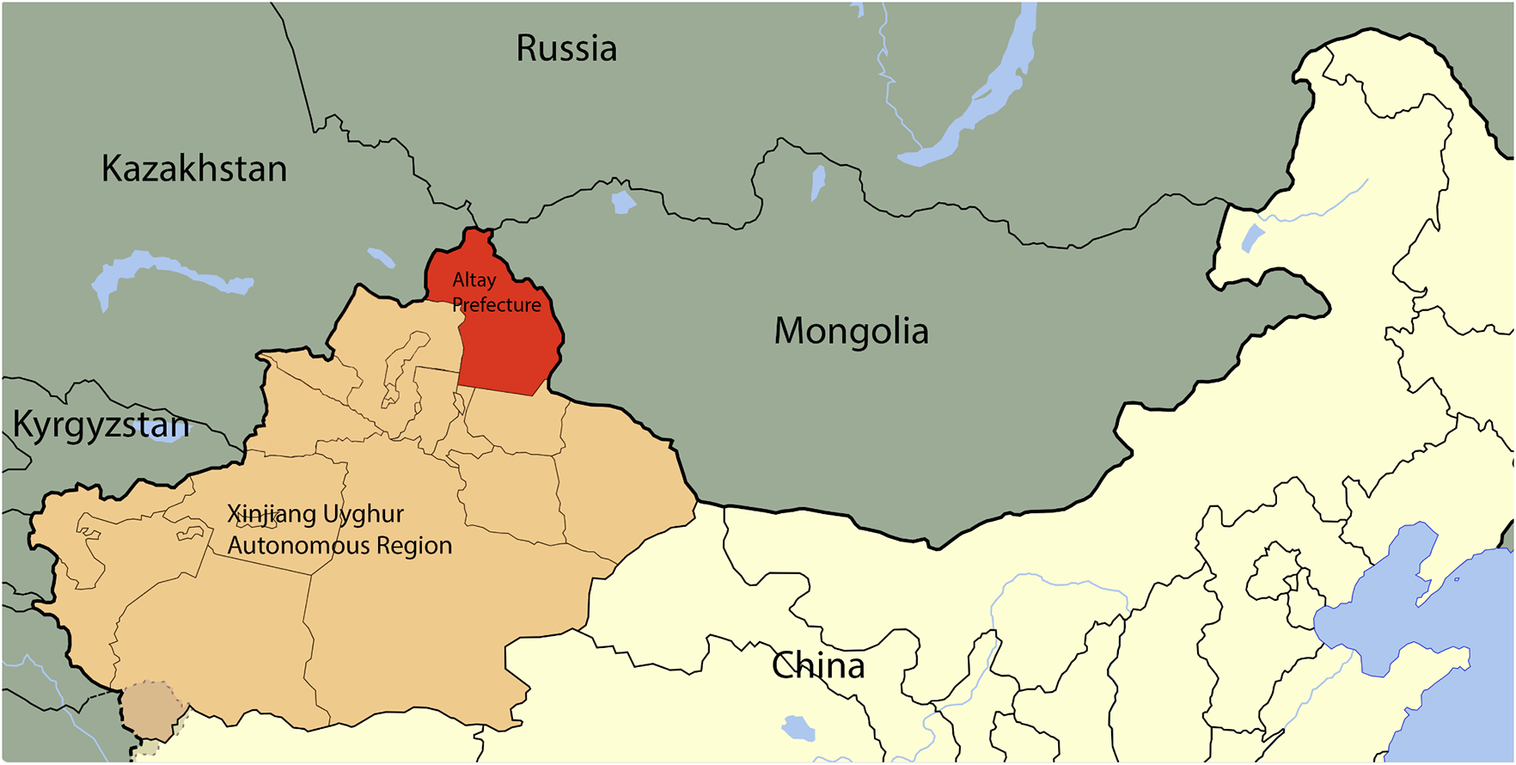
Geographical context: I think that it’s important to explain a little bit the context of the drama To the Wonder before we deep dive into details. As the geographical area plays a pivotal part in the understanding of the intrigue. The drama takes place in Northwest China in Xinjiang Province located at the border between Kazakhstan on the west side and Mongolia on the east side. More precisely, the story revolves around the lives of kazakh nomads in the Altay Prefecture, a part of the Ili Kazakh Autonomous Prefecture whose main ethnicity are Kazakhs. For your information, Kazakh is the second largest ethnic group in this Prefecture after the Han. In the drama, Batay (Yu Shi) belongs to the nomadic group, while Li Wen Xiu (Zhou Yi Ran) is often referred to as the ‘Han Girl’ – so she’s part of the Chinese population that resides there. As they aren’t from the same ethnicity, their relationship encounters some cultural differences and thus hurdles, while we get to know more on the Kazakh culture itself.
Kazakh nomads, between tradition and modernity: To the Wonder is a beautiful and credible portrayal of the ways Kazakh nomads currently live. Through the eyes of Wen Xiu, we truly get to discover this culture that stands at the crossroad between modernity and tradition.
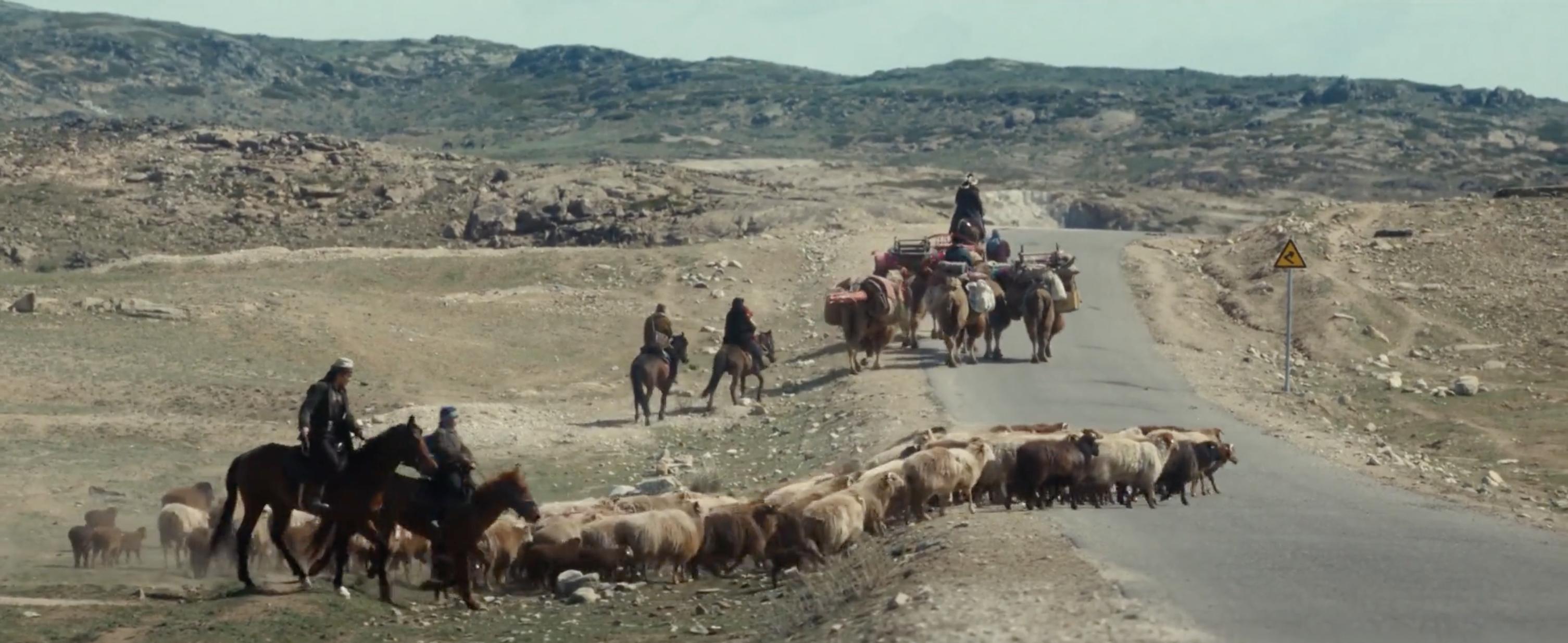
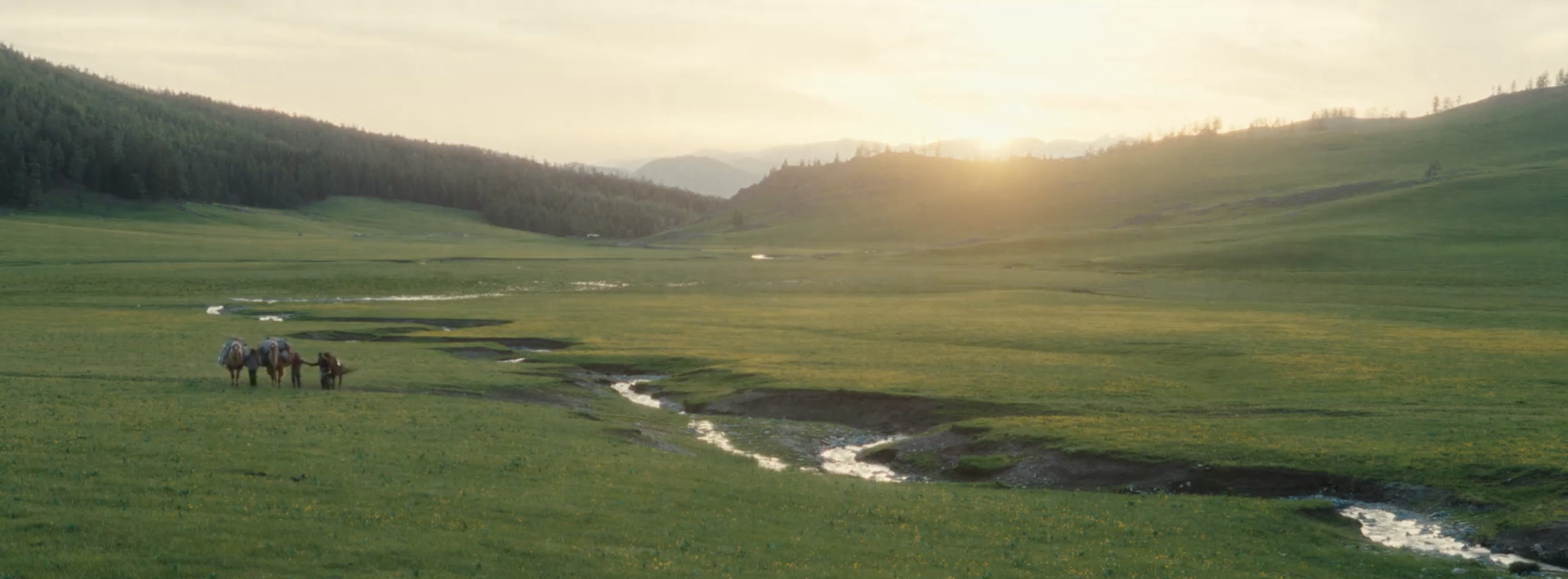
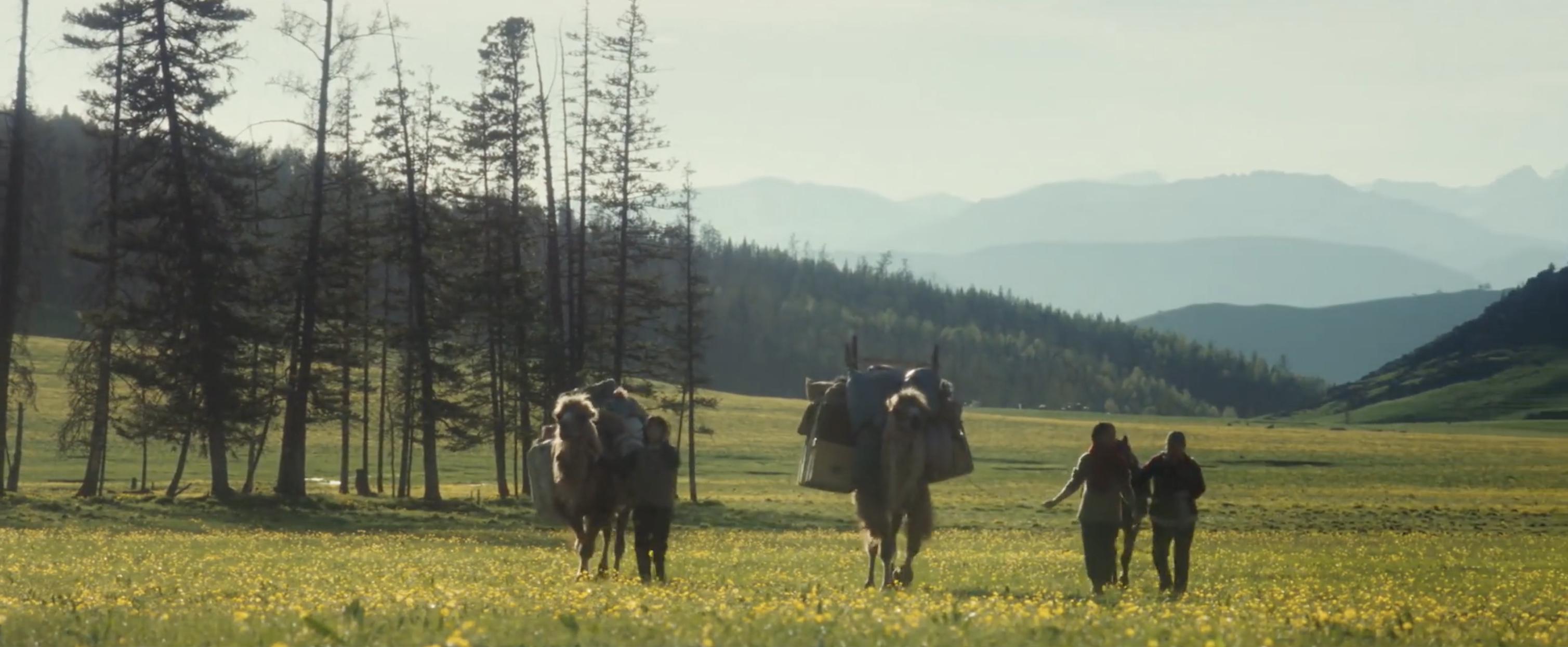
The lifestyle: In 8 episodes, the drama immerses the viewers into this atypical way of life. Kazakh nomads live in the vast plains up north, have their own language, raise sheep and horses, make their own milk, live in yurts and follow the cycle of the seasons. As indicated in the word ‘nomads’, these shepherds lead their flock from one place to another, so that they can take advantage of nature and the grass their is to eat whether it’s in the summer or in the winter. This lifestyle is peculiar and hard, as they have to endure tough weather conditions (arid climate or rainstorms), live from their animals and live in self-sufficiency, away from the city people.
Modernity within tradition: However, their apparent isolation doesn’t mean that they are entirely disconnected from the rest of the world. Indeed, the drama accurately displays how the nomads had to adapt to the changing outside world in order to survive. It beautifully creates a bridge between two distinct cultures: one associated with traditions and one linked with modernity. Kazakh nomads live in the in-between. They spend most of their time in nature, but also take advantage of modern technologies to improve their lifestyles. For example, some of them ride bikes and cars (not just horses), they take the bus to reach faraway places (that’s the first picture we see of Batay’s father trying to pass the station security and is stopped because of his giant knife). To make ends meet, the nomads also sell their goods at the closest city – Urumqi; they own bank accounts to save their money; send their children to school and make them do their homework; and even carry guns to hunt wolves – although it’s forbidden to own a gun. Finally, they even accept to plant wind turbines for the sake of the environment. All in all, Kazakh nomads may have it rough by choosing to live differently, but they know how to take advantage of the world whenever it’s necessary. Though the pace of change is different from them, they leverage on it while anxiously thinking that this outside world may one day come crushing theirs.

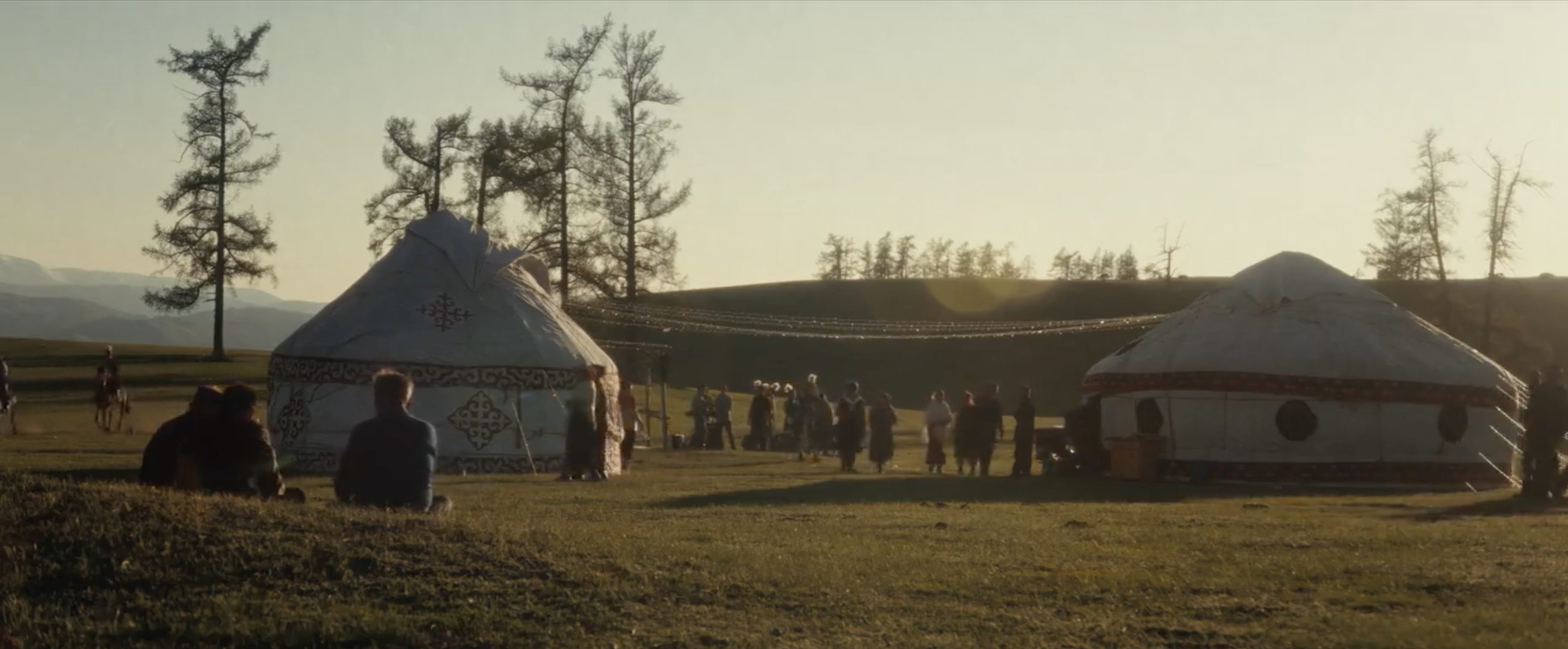
The struggles of the nomads: I think the plot of To the Wonder is extremely well written because it doesn’t romanticize nor glamorize the life of the nomads. On the contrary, it shows the harshness of this world and the struggles nomads have to endure. They are 4 main topics that can be developed – though I’m pretty sure, you will find others to discuss:
1. The weight of traditions: Batay’s father, Sulitan (Alimujiang), is a proud man who wishes for his children to live the same way he’s lived, keeping the legacy of Kazakh nomads alive for decades to come. Hence his reluctance to let Batay have another passion than being a shepherd. Indeed, Batay’s dream is to work in stables with horses which would mean leaving the community and getting closer to the city. This a heresy for Sulitan who can’t envision his son doing something else. There’s also an underlying theme associated with this topic: Sulitan has already lost a son and he doesn’t want to end up alone without Batay. If his last remaining son leaves, he too, will have to reduce the size of his flock and won’t have anyone to transfer his knowledge/heritage to. Moreover, Sulitan is afraid of change, but refuses to admit it. His proud demeanor forbids him. All of these are legit reasons that are gradually addressed in the drama. But the fact that these are valid justifications makes it even more difficult for Batay to follow his own path. He feels guilty to leave his father behind and ‘selfishly’ pursue his own goals. The clash between these two perspectives on life – and between two generations – is inherent to other nomad families.
2. The fate of women: Tuo Ken (Alima Mayutian) is a key secondary female character in the drama. She is the embodiment of the women’s fate in the nomadic culture. She was married to Sulitan’s eldest son and together welcomed two children. Unfortunately for her, he was an alcoholic who made her life difficult. She was unable to divorce him because he refused every time. By a twist of fate, he went out late at night in the snow, completely drunk, and froze to death. Tuo Ken became a widow overnight. Though her life was complicated before, this new chapter as a widow proves to be even more challenging. If she wants to remarry, Sulitan tells her that she has to leave her children behind to be raised by their father’s family. If she wants to keep her children, then she must remain a widow all her life. On top of that, Tuo Ken has fallen in love with another man who accepts her children, but Sulitan is adamant. He simply won’t budge. It will take a lot of convincing – from various characters – and an almost incident with one of his grandchildren for Sulitan to finally understand that she is also allowed to be happy with a new husband in her life and her children by her side. Though the resolution is a positive one, this narrative arch gives a lot of information on how women are tied up by traditions. They are not free, often relegated to the background without a voice. Moreover, they have to support alcoholic husbands and take care of them, the house and the children. Even if things are finally starting to change – as it seems to be the case in the drama – the pace is very slow.

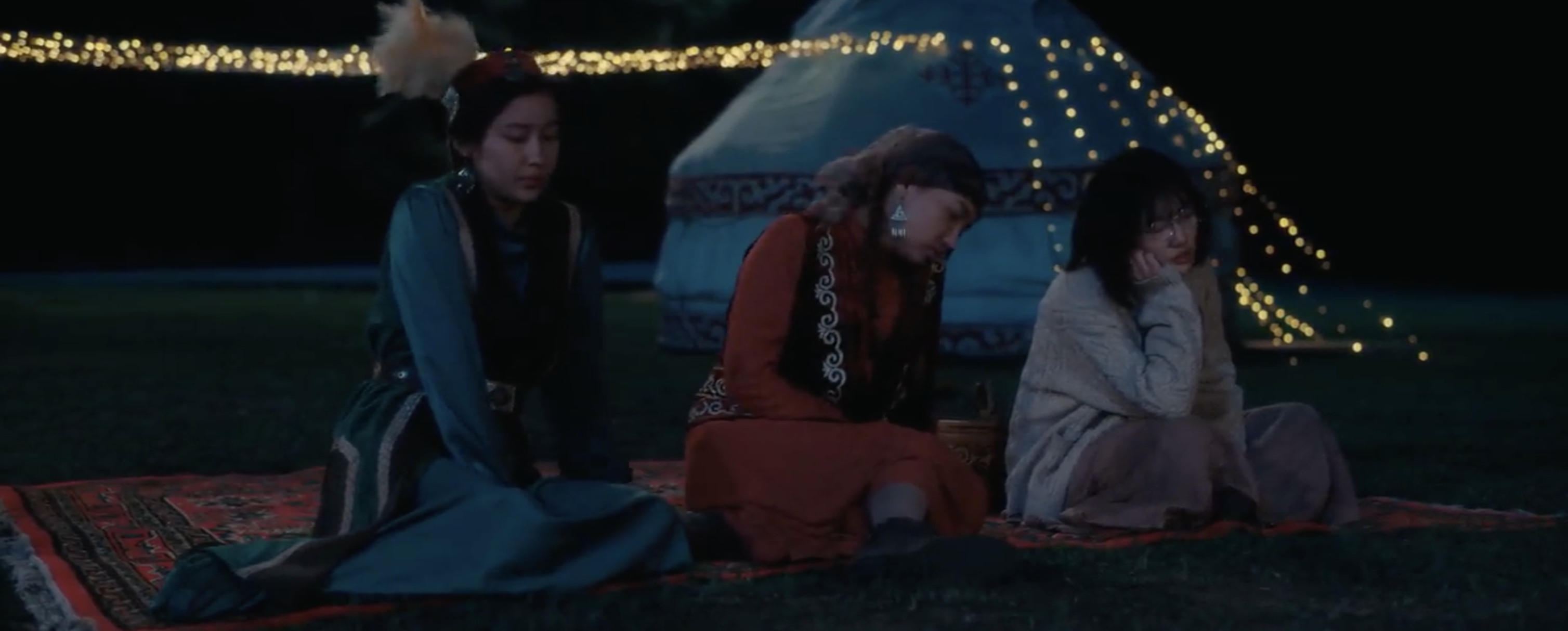
3. Protection of nature: Altay Prefecture is located in the middle of nature where untouched resources mark out landscapes. As this land belongs to Kazakh nomads, there are the only ones who can cultivate it, but also need to protect it. Li Wen Xiu’s mother’s, Zhang Feng Xia (Ma Yi Li), side story is deeply intertwined with this topic. She’s lost her husband and is still grieving his passing. On a lonely night, she saves a man dying in the desert. His name is Gao Xiao Liang (Jiang Qi Ming). Though he appears to be a good person at first, he actually takes advantage of Feng Xia’s feelings in order to dig up nomads’ resources and sell them at a high price in the city. Not only is he cheating an innocent and trusted friend of the nomads, but he’s also degrading their lands. The nomad guards in charge of protecting these landscapes try several times to catch him red-handed, but fail. The last episode puts an end to his dirty business when Wen Xiu and Feng Xia confront him and threaten to kill him if he doesn’t disappear from their sight forever.
4. Acceptance of outsiders: Batay and Wen Xiu’s romance is a key narrative thread in the drama that is linked with a final main topic: the acceptance of outsiders by the nomadic community. When Wen Xiu leaves the city to go back to her hometown, her mother has already created good relationships with the Kazakh nomads. Although she’s not part of the community yet, she’s accepted, respected and appreciated. Bonds get tighter when mother and daughter embark on a journey to the summer camp with Batay’s entire family. The leads develop feelings for each other, while also gaining the full trust of their peers. By the end of the drama, they’ve completely blended in and consider themselves as part of the community. Hence their desire to protect it from actual outsiders like Xiao Liang. Nevertheless, this acceptance stage took quite a while and even cohabitation between ethnic groups is complicated. At some point Mongolians and Kazakhs meet and you can sense that they can do business with each other, but the relationship is thin and could break anytime. Mongolians are not willing to accept outsiders either. That’s why they let Wen Xiu and her mother fend for themselves, when Sulitan abandons them on the road to the camp.
The values: To the Wonder is a gem because of the intrigue it showcases, the visuals it offers, but also for the values it conveys that are typical to Kazakh nomads.
Relationship with animals: For starters, the drama emphasizes the strong bond that exists between the nomads and their animals. They treat all of them with respect, but have a very particular connection with horses. Indeed, Batay explains at some point that horses are like best friends. They are companions that have a distinct place in their owner’s heart. Once they die, they would cut their head off and hang it to a tree as a memory of their friendship. That’s the reason why the ending is so dramatic. Liu Wen Xiu is riding Batay’s horse, Snowshoe, when he suddenly starts running off frantically. Wen Xiu falls, but her foot is stuck on the saddle. To save her, Batay has no other choice but to shoot an arrow at Snowshoe. To save the girl he loves, he had to kill his most beloved companion. This is a real heartbreaker (for me as well) for Batay. Of course, if you fail to understand the relationship between the nomad and their horses, what unfolds may seem absurd to you. Indeed, Batay leaves and it will take him 3 years to get over the murder of his horse. Imagine you have to kill a family member to save someone. Well, that’s exactly what Batay felt when he shot his arrow. His world came crashing down and he couldn’t get over it right away. This is proof of the bond that unites animals and Kazakh nomads. Another example would be how they greet guests. To welcome them, they would ask them to pick a sheep. Then they would kill it and offer him as a greeting meal. If you don’t know, this again would seem crazy. But that’s their customs and they need to be respected.
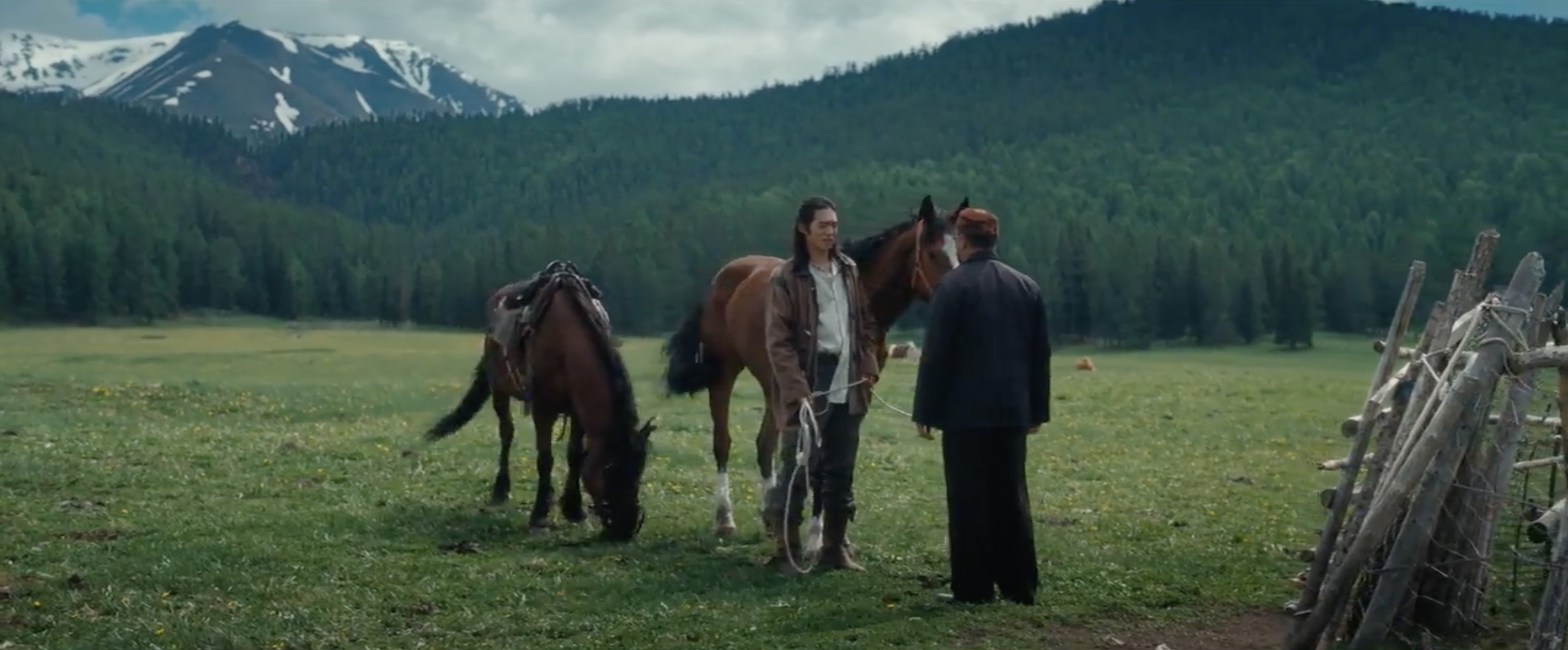
Woman empowerment: I would debate with anyone who dares tell me there’s no woman empowerment in that drama. Of course, you may not notice it right away, but all women in the story thrive to free themselves and/or follow their dreams. Thanks to the arrival of modernity in the nomadic lifestyle, women are able to take advantage of these changes and fight for their conditions. Tuo Ken aims at marrying the man she loves, while caring for her kids; Wen Xiu dreams of becoming a writer, although she didn’t finish high school; Feng Xia lives on her own without the help of a husband; nomad women refuse more and more arranged marriage; etc… At the core of that woman empowerment, you have very strong female leads who are stubborn, determined, strong-minded, independent and resourceful. This adds a touch of feminism to the drama that is truly pleasant to witness. This could also be explained by the fact that its screenwriter and director is a woman (her name is Teng Cong Cong).
Family: There is something indispensable to make a community survive: family ties. On Wen Xiu’s side, you’ve got a powerful female trio that entails 3 generations: Wen Xiu’s grandmother, her mother and herself. They help each other and protect one another. On Batay’s side, his family dynamic is a bit more complicated. You’ve got a male trio that is incapable of communicating with one another, but eventually learns. First, you have Batay’s older brother whose death shatters family ties. His disappearance means Batay has to choose between his dream and his father’s way of life which creates a disconnect between both men. They eventually manage to find a compromise. Kuo Ten is also very close to her children who represent her entire world. All these families aggregated together allow for the community to stand strong. These relationships also showcase love between parents and children that have a converging goal: make your children happy.
The romance: The love story between Batay and Liu Wen Xiu is tender, sweet, slow-paced, and perfectly matches the two characters’ personalities. On the one side, Batay is conflicted because he likes Wen Xiu, but knows that his father may not accept her easily. He’s also clumsy when it comes to confessing his feelings to his girl and tries to find ways to woo her. He’s soft-hearted, protective and full of attention for her. On the other side, Liu Wen Xiu is also clumsy, but in the actual sense of the word. She often bumps into things, falls and gets herself into unwanted situations. But that’s part of her charm. She’s also clever and well-spoken. She knows how to talk eloquently contrary to Batay. All in all, I loved witnessing their blossoming love. It was so pure and innocent. Despite the hurdles along the way, they respect each other’s cultures and dreams and support one another. Time and distance are no real problems, because once they’ve given their heart, they don’t take it back. Their romance is a red thread that allows for all the themes of the drama to connect from beginning to end. This was pure pleasure!


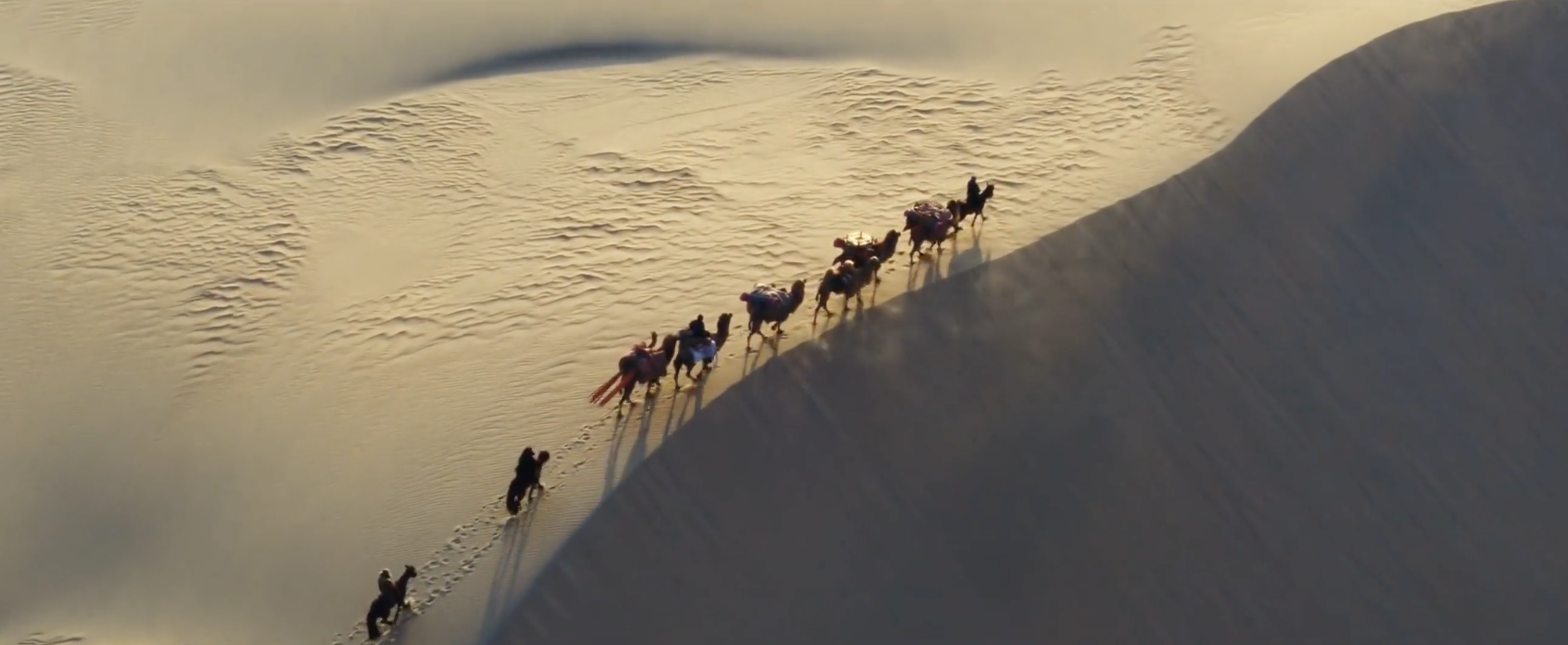
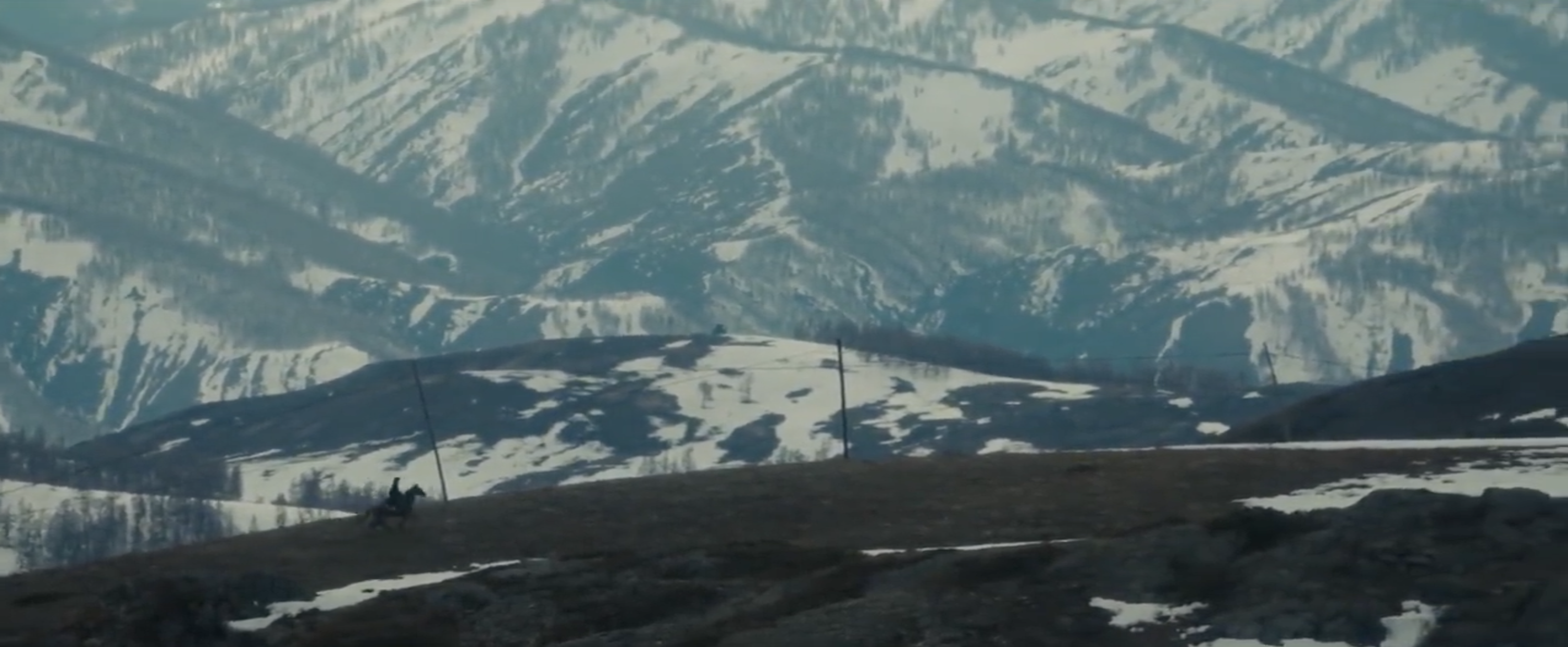
Cinematography, pace and aesthetics: I couldn’t finish that review without mentioning the beauty of the show. First, the cinematography is perfect. There are so many beautiful landscapes (valleys, mountains, plains, deserts) displaying nature at its best. The clash between modernity and tradition also pops up in many cuts which gives depth to the story. Visuals definitely serve the intrigue, using lights, colors and the vastness of the world to convey emotions. The costumes, the language and the music are other great messengers and allow for a total immersion into this new world. The drama is only 8-episode long, but it honestly feels like you are on a long journey with the characters and you go through their struggles with them. For those who know nothing about this culture – like I did – the drama is like a healing story told by the fire. It’s slow-paced, realistic and hopeful; it’s a sweet escape that helps you resource yourself and reconnect with life. This drama talks to the soul and is its comfort food.
P.S.: The Kazakh song ‘Moonlight’ played by Batay in the drama and sung by Yu Shi has entered my playlist forever. It’s so peaceful and powerful, I really recommend you listen to it. It’s like a lullaby that gently puts you to sleep. A pure wonder!
 Once Upon a Drama
