Presentation
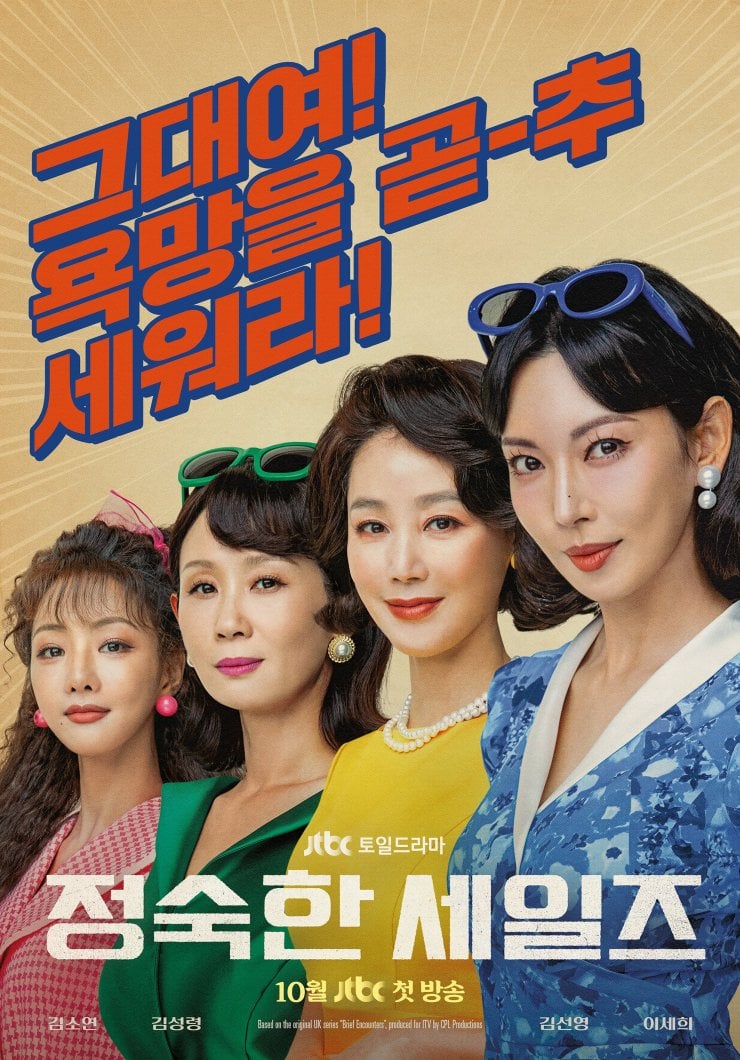
Korean Title: 정숙한 세일즈
Aired in: 2024 (12 episodes)
Channel: JTBC, Netflix
Grade: 10/10
Actors: Kim So Yeon, Kim Sun Young, Kim Sung Ryoung & Lee Se
For more…
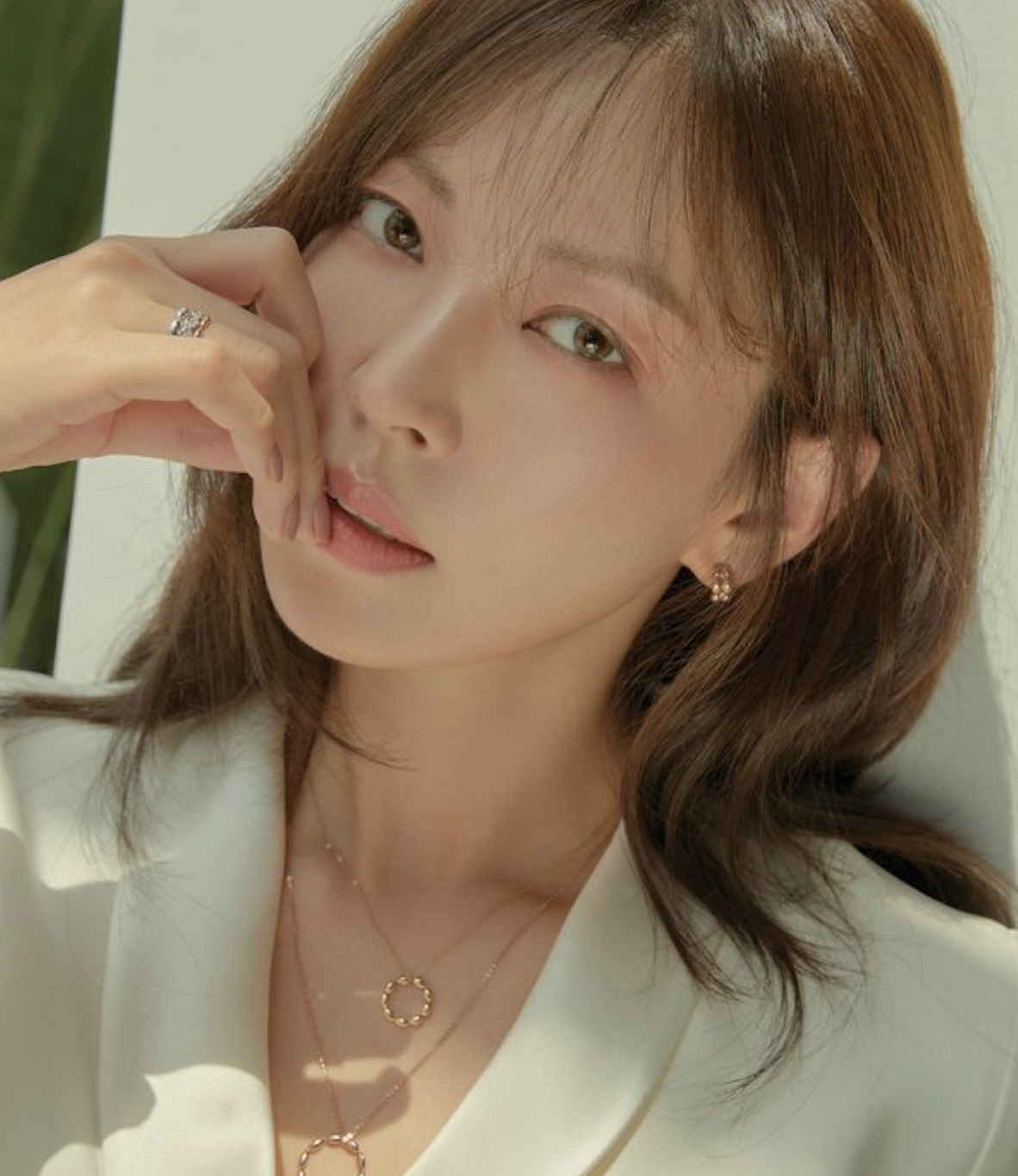


Kim So Yeon:
– IRIS
– Mother of Mine
– Penthouse 1, 2 & 3
– The Tale of the Nine Tailed 1938
Yeon Woo Jin:
– Queen for Seven Days
– I Wanna Hear Your Song
– Thirty-Nine
– Daily Dose of Sunshine
Kim Sun Young:
– When The Camellia Blooms
– Crash Landing on You
– The Silent Sea
– Crash Course in Romance
Overview
Synopsis
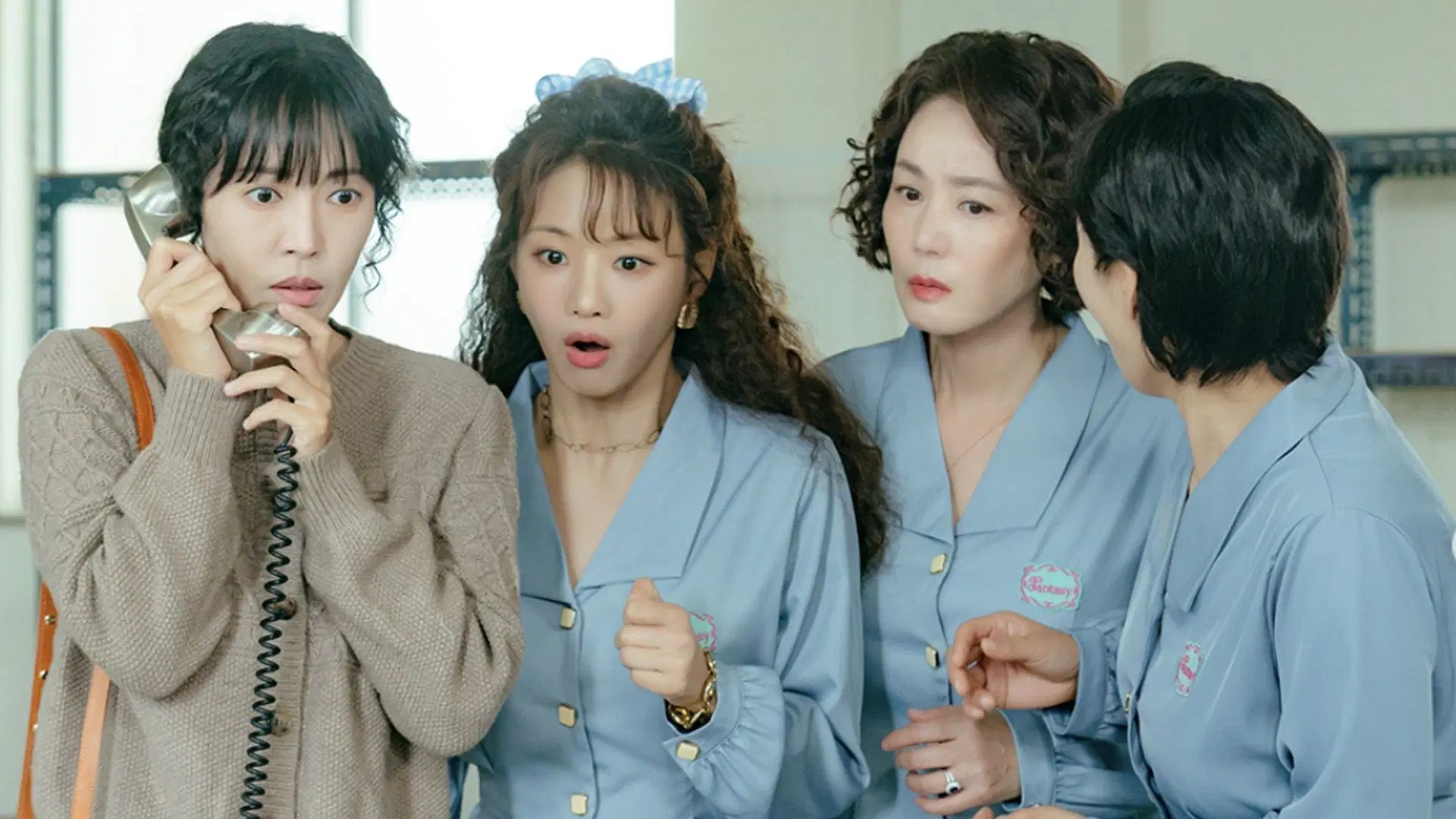
In the rural village of Geumje in 1992, Han Jeong Suk, Oh Geum Hui, Seo Young Bok and Lee Joo Ri start working in door-to-door sales for adult products. They all have their own reasons to enter the business, but gain independence and form friendship along the way.
My Opinion (No Spoiler)
A Virtuous Business is one of my favorite dramas that have been released this year, and I think it is such a shame that it’s so underrated. The female quartet is simply amazing embodied by a superb cast. Each character has her own difficulties, relationships and dreams that they’re trying to juggle with in the conservative 1990s South Korean society. This drama tackles feminism, female emancipation and independence in a humorous and melodramatic way. I loved seeing these women show resilience and determination when confronted with obstacles in their journey. This show is also about friendship and motherhood, differently, but realistically, portrayed. Finally, I think that the drama was a great combo of romance, detective drama, slice of life in a historical setting (like the Reply series) and comedy – the simple fact that the female leads are selling adult products says it all. I highly recommend you watch this drama, you won’t be disappointed with it!
Analysis
- Characters
Han Jeong Suk
Oh Geum Hui
Seo Young Bok
Lee Joo Ri
Kim Do Hyeon
Female friendship - Themes tackled
Sexuality in the 1990s
Women’s conditions in the 1990s
Being an ex-convict
Chasing your dreams
Being married - Being a parent
Abandoning a child
Losing a child
Wanting a child - Romances
Jeong Suk and Do Hyeon
Joo Ri and Dae Geun - Title explained
Characters: The female quartet is absolutely fantastic. Each woman is unique in her own way, yet their personalities perfectly fit with one another. Here, background, status and money have no role to play. Female leads are linked by a common purpose: becoming independent and successful.
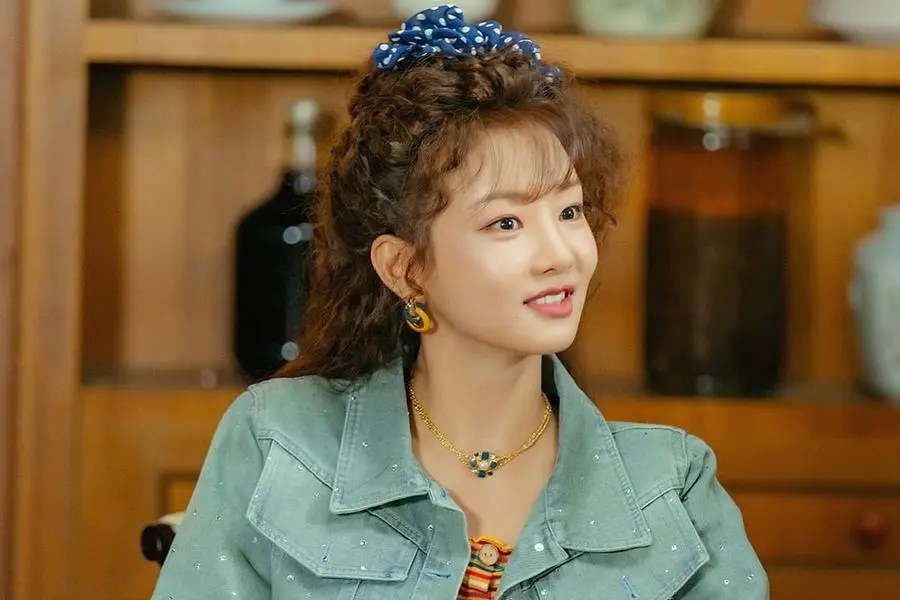
Han Jeong Suk: Han Jeong Suk (Kim So Yeon) is happily married and the mother of a son at the beginning of the drama. She met her husband Kwong Seong Soo (Choi Jae Rim) in high school when she was considered the most beautiful girl of Geumje (she even won a beauty contest). Seong Soo pursued her and promised he would take good care of her. However, he didn’t fulfill his promise. Years later, he works at a factory as a simple employee, but his hot temperament causes him to be fired a few times. He drinks to forget his problems and gambles the household’s money away. On top of that, he’s proud and self-centered. He blames others for his ego issues and his inability to be a respectable and admired man. Despite this selfish behavior, Han Jeong Suk holds on out of love. She’s the perfect example of women of her time aka she takes care of the house, looks after her husband’s well-being and forgives him every misstep. She’s gentle and kind, appreciated by the townspeople who see in her a defenseless and weak housewife. Nevertheless, there’s more than meet the eyes. Han Jeong Suk also proves to be very clever, determined and strong. Once she’s set her mind on something, she doesn’t waver whether it’d be her divorce following her husband’s affair or her will to become a successful salesperson. Though she’s not fully unveiled her potential at the beginning, there are some hints here and there that give away her real mindset such as her sewing dolls’ eyes or working as a housekeeper to make ends meet when her husband can’t fully provide for the house. She’s also opened a bank account without her husband’s knowing, so she can be a little more independent. The pivotal moment in Jeong Suk’s life is when she discovers that Seong Soo is cheating on her with her best friend. She thus surprisingly chooses to divorce him and to take on the job of a sales-to-sales person to earn money. From then on, Jeong Suk is no longer trapped in the cage of a suffocating marriage. She can finally spread her wings. Her transformation can then begin.

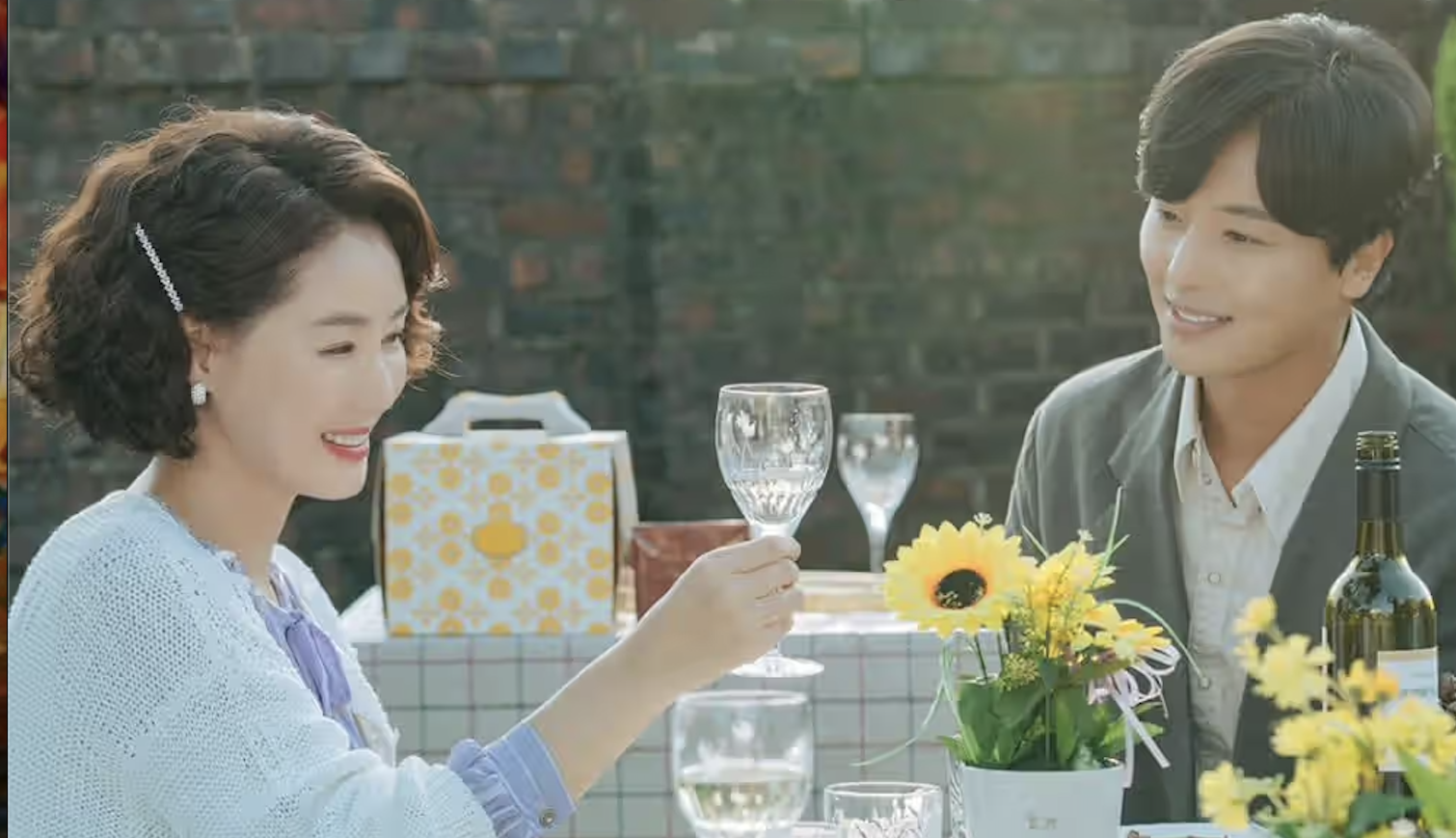
Oh Geum Hui: Contrary to Han Jeong Suk, Oh Geum Hui (Kim Sung Ryoung) comes from a wealthy background. She went to university to study English and married pharmacist Choi Won Bong (Kim Won Hae) shortly after. As we discover it in the show, their love story is genuine and pure. Won Bong fell in love at first sight with Geum Hui during their blind date. However, she rejected him for personal reasons, saying that she didn’t want to get married. Still, Won Bong continued to woo her until she finally gave in. Geum Hyu fell in love with his kindness and affectionate side. The couple has no kid and is now well-established in Geumje. Oh Geum Hui can be seen as your typical rich housewife at first. She’s classy, elegant, dignified, but also untouchable in a sense that she doesn’t warm up to people. Apart from Han Jeong Suk who’s her housekeeper, Geum Hui doesn’t have friends or hobbies. Her only joy is to cook dinner for her husband, but he seems to prioritize his social ascension over her. Oh Geum Hui has the impression that she’s turned into furniture, invisible to her husband. Moreover, she’s bored and lonely. Yet, her husband doesn’t seem to comprehend that. Only when Jeong Suk asks her to join her in the sales business, does she finally start enjoying her life. She makes friends, has a purpose in the group, and does something meaningful for the community but also her marriage. This shift in Geum Hui’s career is synonymous with a transformation in her relationship. She can finally communicate better with Won Bong, reasserts her love for him and her need to be seen. Though it seems Choi Won Bong is a villain at first, he’s actually deeply in love with Geum Hui. Ever since he’s met her, she’s been the one and only. He accepted not to have kids and didn’t care because he was with his wife. He’s also open-minded and wants his wife’s happiness. So, if selling adult items fulfills her, then so be it. Choi Won Bong proves to be a caring, kind and affectionate husband. He and his wife just needed to express their love more often.
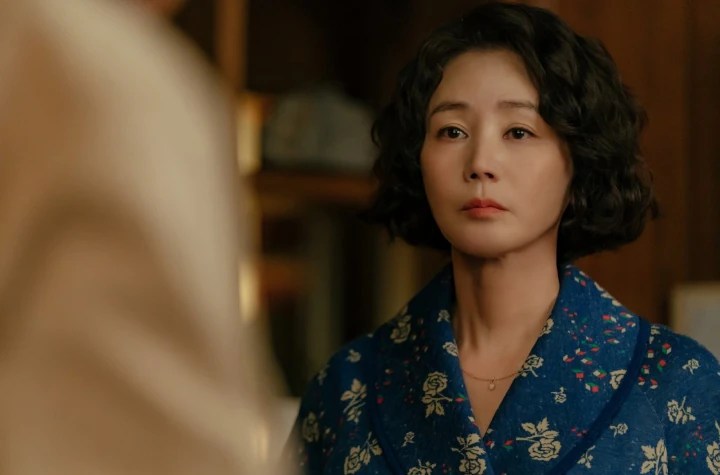
Seo Young Bok: Just like Oh Geum Hui, Seo Young Bok (Kim Sun Young) and her husband Park Jong Sun (Im Chul Soo) are happily married. Together, they have 4 kids and are thus struggling to provide for all of them. Even if they look like a typical family from the outside, they are actually far from ordinary. Roles are reversed, as Young Bok is the sole breadwinner of the family. Her husband is an ex-convict who can’t find a job. He thus assumed the ‘maternal’ role in the household, taking care of children. The couple may be poor and unusual, but their bond is strong. They rely on each other a lot and have a pretty strong sex life compared to other married couples. Seo Young Bok enters the sales business in order to earn money for her children’s education, but ends up finding friends and support. Her greatest quality is her strength. She has so many responsibilities and worries and yet, she’s always optimistic and hopeful. Young Bok is also a very loyal friend and faithful wife. Once she’s given her affection to someone, she goes all in for them. That’s what happens when Geum Hui’s husband has an accident because of her own partner. She asks and begs for forgiveness, trying to protect both her friend and husband from the consequences. She’s a strong mother who doesn’t show the bad sides of life to her children and shields them from the outside world. Her resilience is truly admirable.
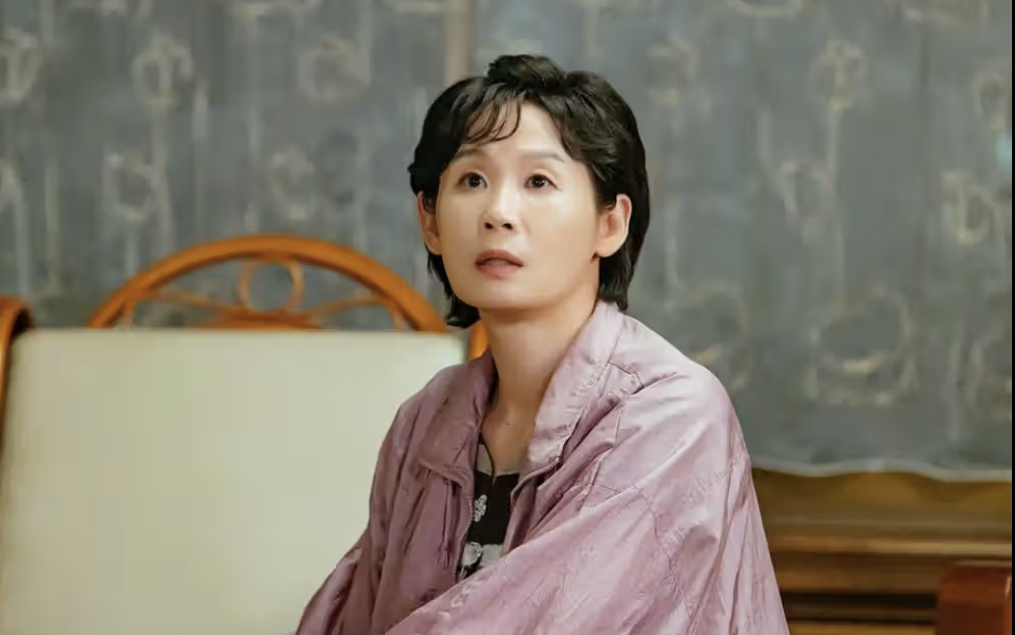
Lee Joo Ri: Lee Joo Ri (Lee Se Hee) differs a little from the rest of the female group. First, she’s not married. Second, she’s the youngest member of the team. Third, her personality is exactly the opposite of that expected from women at that time. Indeed, she’s a single mother who also owns a hair salon. She settled down in Geumje and made her business thrive despite judgments and criticisms from the townspeople. Though abandoned by her baby’s father, she didn’t let this event affect her nor her love for her child. Lee Joo Ri is quite an oddball. She’s eccentric, dresses up the way she wants, dates whoever she wants and is quite free-spirited. She surely clashes with the conservative values of the time. That’s also a reason why she’s an outcast in the town but she doesn’t let that affect her. Contrary to her, her son is mature, quick-witted, looks like an adult in a child’s body. That atypical dynamic makes the duo mother-son quite funny and endearing. Although Joo Ri’s acting immature at times, she’s actually quite responsible when it comes to her son’s well-being. She would do anything for him.
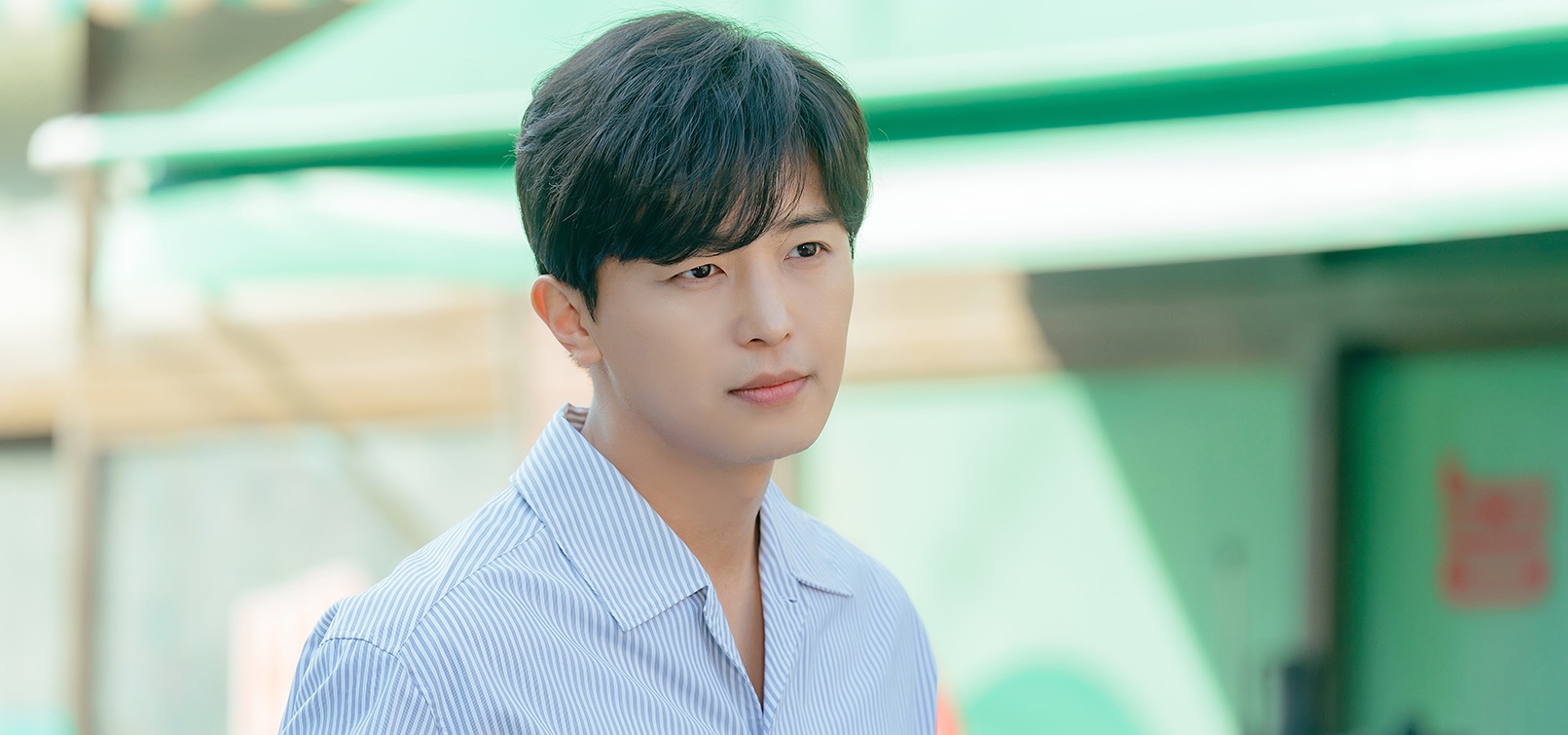
Kim Do Hyeon: Kim Do Hyeon (Yeon Woo Jin) is a detective, who’s just arrived from Seoul. Back there, he used to work in the missing case unit and has apparently come down for a personal matter. Do Hyeon is quite mysterious at first. It seems like he’s investigating an old case, but doesn’t share it to anyone. Moreover, he has a hard time to sleep due to nightmares and behaves like a lone wolf at the police station, giving the cold shoulder and working on his own. Nevertheless, he’s a kind and helpful detective. He gives a hand whenever needed. His reserved behavior makes it however quite hard to guess what’s on his mind. Upon his arrival, he witnesses Jeong Suk’s marital crisis and finds himself slowly falling for her. Her determination, resilience and strength topped with her natural warmth break his hard shell. Han Jeong Suk is aware that Do Hyeon is hiding a secret that he’s been carrying for years, but doesn’t press him to confess. Instead, she becomes a supportive friend to repay him for his support when things were bad for her. Later on in the drama, you discover that Kim Do Hyeon was adopted in the US and has always been looking for his birth parents. His only clue is that they were from Geumje, that’s why he settled down here. He also believes that his adoption has something to do with an old case about babies who all disappeared after a fire 30 years ago. The burn on his arm could be a connection to this case. From the very beginning, Kim Do Hyeon has only one question he needs an answer to: “Why was I abandoned by my birth parents?”.
Female friendship: There are two points I really liked about the drama: female empowerment and female solidarity. It’s clear that these four women start working in door-to-door sales for personal reasons (Jeong Suk needs money after her divorce, Geum Hui needs a hobby, Young Bok needs to pay for her children’s education and Joo Ri wants to increase her revenues). They are confronted with the reluctance of the people – which was expected – yet, they stand strong together in order to make it a success. Through thick and thin, they overcome each obstacle that participates in making their bond stronger. Along the way they become friends, if not a family. Their friendship is quite moving and endearing, as it shows that women from different backgrounds can succeed if they stick together.
Themes tackled: I loved A Virtuous Business mainly because it explores so many different themes at once. All of these are linked with the actual customs of the 1990s in South Korea, giving away a clear vision of the times. I’m a huge fan of historical dramas that offer a realistic depiction of society at the time, so this was just perfect!
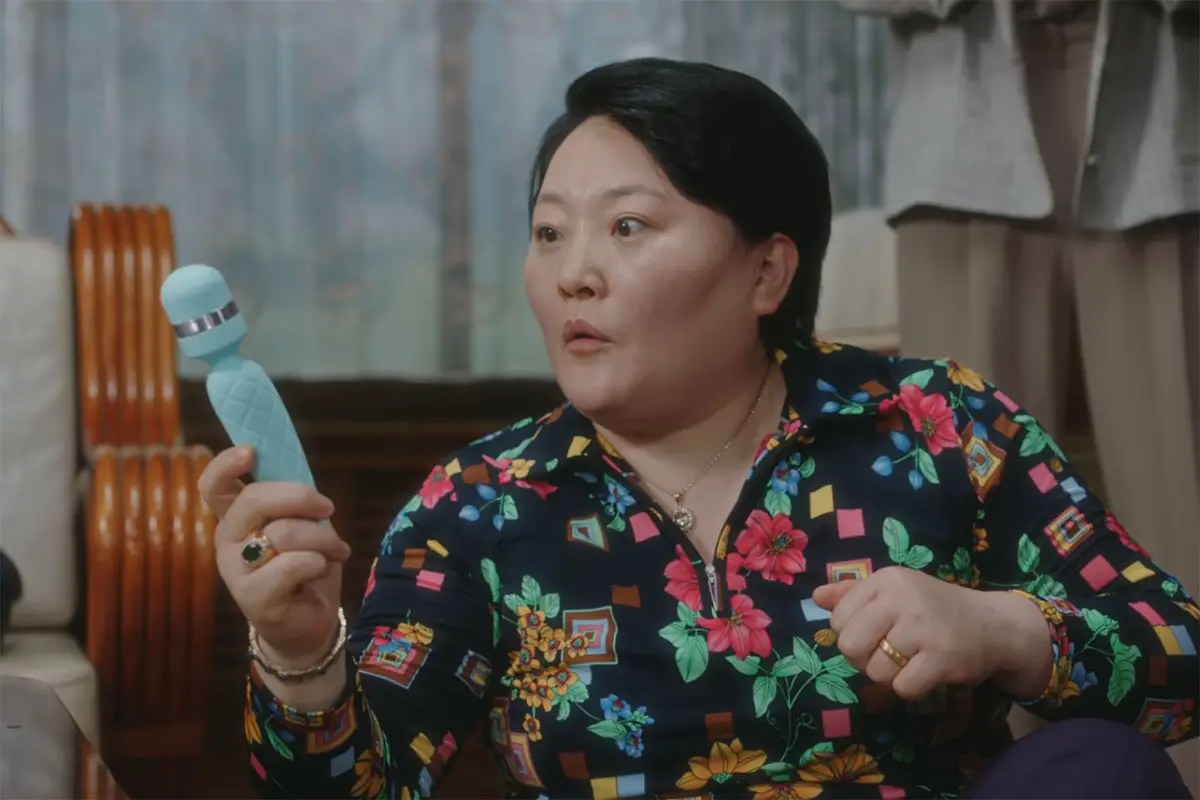
Sexuality in the 1990s: As you can guess, sexuality in South Korea was a taboo topic in the 1990s. That’s not me saying it, it’s the show! Indeed, the country was rather conservative and traditional. People would not naturally talk about pleasure or their needs in the bedroom, even as spouses. Why? Probably because they had been told that sex/sexuality is dirty and bad. Coming from a background that teaches you to refrain from being driven by your impulses and desires, it’s understandable that people would shy away from the subject. Finally, I think it’s also visible in the drama that sex is more for men than women. They are the ones in control of the bedroom, enjoying the act while women obey and submissively accept. This also had to do with the fact that the 1990s society was based on patriarchy. Men have the power over women whether it’d be at work, within the family or in the intimacy of the bed. That’s more or less the setting of the drama. Women are ashamed of their desires and men drive the sex life according to their needs. Another important point has to be mentioned when we talk about sexuality in the 1990s in South Korea. And that’s globalization. If we take the example of CEO Kim Mi Ran (Ra Mi Ran) – the woman who introduces Han Jeong Suk to this line of work – she’s started her business after encountering a US soldier who told her about sex toys. That’s enough context to understand how sexuality started to be explored in the 1990s. Sex toys didn’t come out of nowhere, but were imported through globalization. This is a positive shift in people’s lives, as it puts sex and pleasure at the heart of relationships – especially married ones. Sex-related items (sex toys, lingerie…) are also a symbol of independence and liberation in the drama. By assuming their desires, women gain a voice. They become more confident in expressing what they want, what they like, what they expect from their husbands and what they want to achieve on a broader scale. If we take Oh Geum Hui as an example. She’s happily married, but would like to be more seen and considered by her husband. The use of pretty lingerie gives her the confidence to ask for it and improves her relationship altogether. Women somehow acquire power in the bedroom, making men want for more and reversing the power dynamics.
Women’s conditions in the 1990s: We talked about sexuality in the 1990s, but the drama actually showcases women’s conditions in general during that time. As individuals within the society, they are very dependent on a husband and don’t have a lot of work opportunities. Worse, if you’re an independent and working woman, you’re standing out because you don’t fit in the conventional mold that society has created for you. In marriage, women are supposed to take care of the children, chores and the husband. They should accept whatever their husband put them through and go with the flow. That’s especially visible through Jeong Suk’s mother. She was married and mother of two. Her husband was working away and she patiently waited for him to return. Upon his arrival, she found out that he had cheated on her and became the second wife – as the new one was way wealthier. When she tried to rebel and criticize this situation – what any woman would’ve done in her place – she got kicked out. She then had to raise her children on her own. Though she didn’t get a divorce, she was strangers with her husband. Now in 1992, Jeong Suk is also cheated on by her husband. The latter apologizes and expects her to just go over it. It’s almost “normal” and the fact that he said sorry would wash away his sin. Fortunately, things don’t go as he wants. Now a divorcee, Jeong Suk has to deal with all the rumors and criticisms from townspeople. She strayed away from the usual frame allowed to women. Just like Joo Ri, who’s a single mother and business owner. Though people point their fingers at them, they have the courage to keep on striving for their happiness. And if it means being different, so be it. The 1990s can be seen as a period of transition for women. They are slowly getting away from the traditional role they were assigned to and become freer, more independent and liberated. This means that they are easier preys for men (like when Jeong Suk gets attacked by a client) who believe they are either weak because they are unmarried, or easy because they don’t commit to relationships. They may be the talk of the town, having to deal with other people’s judgements, but it’s mainly thanks to them that women enjoy life as it is now.
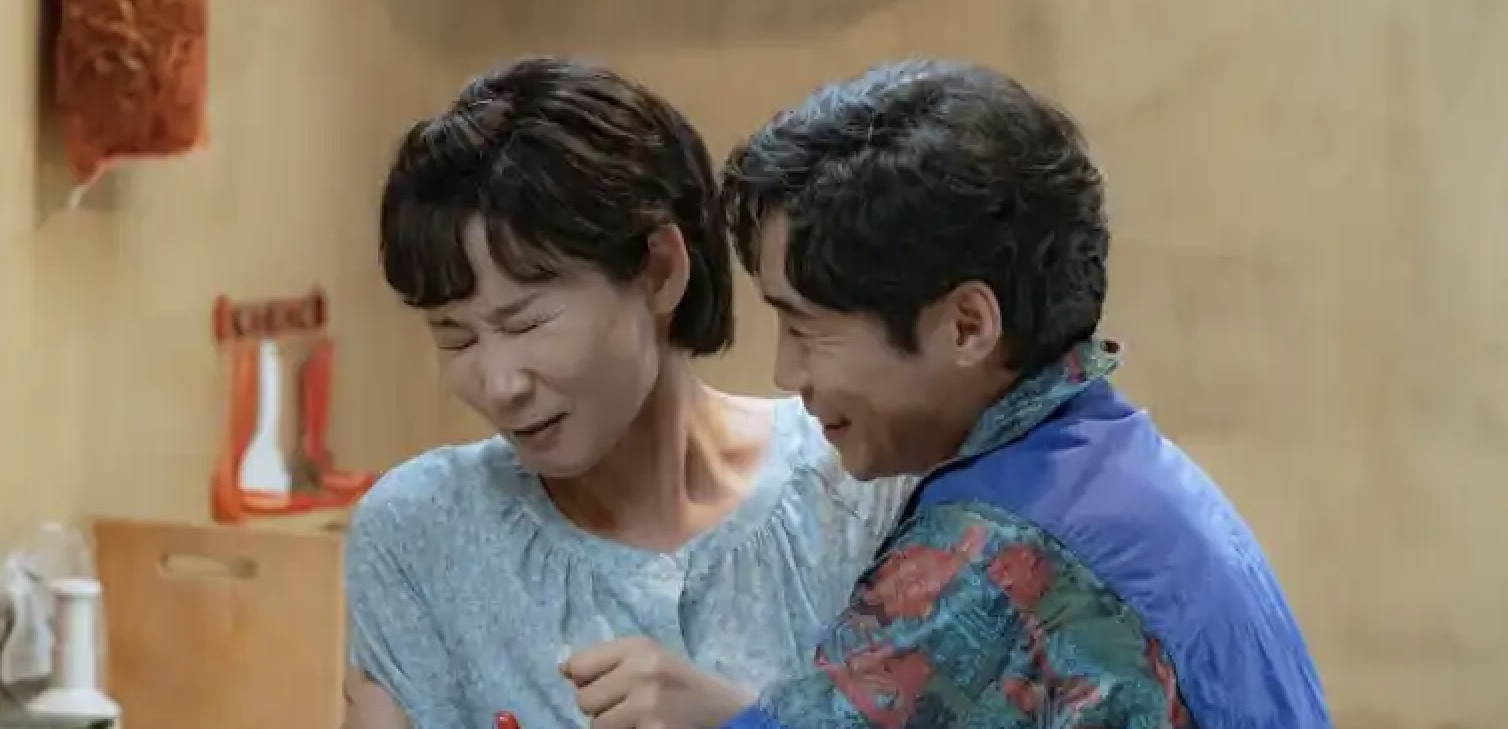
Being an ex-convict: Prejudice is at the center of the drama. Not only prejudice directed towards women, but also towards people who do not fit in the standard framework. Among these, you have ex-convicts represented by Yeong Bok’s husband Park Jong Sun. He made a mistake years ago and was sentenced to prison. He was already married at that time and expecting his first child. Yeong Bok forgave him because she knew he was a good man. She made him promise that he would never to it again. Jong Sun swore he would dedicate his life to his family. Little did he know that life as an ex-convict was going to be so hard. Indeed, everyone in town was aware of his conviction and thus refused to give him a job out of fear. Even years after the events, even if they would see him every day, no one was willing to give him a chance. This was very disheartening and demotivating for Jong Sun. He felt like a loser, a father and husband unable to provide for his family. His wife became the main breadwinner and he would spend his days taking care of the kids. His inability to find a job reverses the power dynamics in his house. Yeong Bok assumed the role of the man and he of the woman. Though this set-up is rather unconventional, Jong Sun doesn’t make a big thing out of it. He’s pretty open-minded and supports his wife first and foremost. He also has at heart the well-being of his family. So, he’s willing to be humiliated, belittled and not considered as a man, if it means sheltering his family – and it’s a pretty big one. That’s what I liked about this character. His ego and pride are not a priority, unlike Jeong Suk’s husband for instance. His family is. His status as an ex-convict prevents him from being the man he should be, but that’s not an obstacle. He knows he’s responsible for his demise and doesn’t resent his wife for picking up his role. On the contrary, he’s grateful. Yeong Bok’s family is the perfect example of how you can actually reconfigure the family framework when one parent is stripped away from his role due to external circumstances. This also sheds light on the difficulties for ex-convicts to be reintegrated to society. This is especially tough for those who made mistakes in their youth and have to carry the stigma all their lives.
Chasing your dreams: The drama revolves around an important red thread which is the importance of chasing your dreams. There are three main characters who display this idea. The interesting part is that they are at different stages of the same journey. At the beginning of the journey, you have Eom Dae Geun (Kim Jung Jin) who’s the son of the richest person in town Heo Young Ja (Jung Young Joo) – she owns all the buildings. Dae Geun wishes to study photography, but he’s hindered by his mother who wants him to become a pharmacist. Dae Geun has low self-esteem, as he’s not as successful as his sister in his studies. His mother constantly reminds him of that and even refuses him to see his grandmother because he’s not accomplished anything great in life. Therefore, she pushes him onto a career path he’s not interested in. However, he obeys to please her. He hopes that he will manage to make her proud by doing so. Mid-drama, Dae Geun falls for Joo Ri who is a game-changer in his life. His mother opposes the relationship and Joo Ri accepts to break up if his mother allows him to do what he likes the most: photography. Joo Ri’s intervention radically changes Dae Geun’s life, who can now pursue his own dream – not his mother’s. At the second stage of that journey, you have Han Jeong Suk. She may have forgotten herself for the sake of her husband and child, yet she’s enabled to dream again after entering the sales business. She finds herself wanting for more, wishing to become a business owner one day. Han Jeong Suk was a woman who had been stripped away from her dreams, if not prohibited from doing so. Through her divorce, she’s given a second chance. She dares to dream of accomplishing something on her own and eventually succeeds. She’s the perfect example of someone who forgot to dream and started again. Last but not least, Oh Geum Hui represents the last part of the journey. She studied at university and dreamed of having a career. But her parents wanted her to get married instead. Her circumstances forced her to do so and to put a final end to her dream. She’s lived with regrets since then, but has learned how to cohabitate with them. That being said, I think the drama offers a panel of examples of what life could be like depending on the choices you make. Each character is pretty credible and reliable which makes it easier for anyone to identify yourself with.
Being married: Obviously, A Virtous Business focuses on the ups and downs of being married. All in all, our female leads are in relationships that require sacrifice and/or compromise. For instance, Young Bok took it upon herself to endure the rumors and judgements from others regarding her husband’s past conviction. Won Bong also compromised with Geum Hui when they got married by accepting not to have kids if it meant being with her. And the list of examples is long. This shows that a marriage requires constant work from both parties in order to make it work. When one party doesn’t do its job, that’s when it crumbles. That’s what happened for Jeong Suk. Her husband refused to take into account her feelings of betrayal, brushed his mistake away and never really repented for everything he’s put her through. His refusal to compromise or sacrifice his ego for one minute led to the end of his marriage.
Being a parent: There are many different configurations in the drama when it comes to being a parent. Actually, I believe that each character has a different familial setting (single parent, divorced, married). However, there’s one converging point: parents want what’s best for their children, even if sometimes it’s hard to decipher what it is really.
Abandoning a child: Kim Do Hyeon was abandoned and is desperately looking for his mother. It turns out that she’s none other than Oh Geum Hui. The latter got pregnant while unmarried. Her family wanted her to get an abortion, but she refused. Coming from a wealthy and honorable family, they rejected her. After cutting ties with them, Geum Hui had to fend for herself. She gave birth to Do Hyeon and took care of him the best she could. One day, a fire started at her apartment where her son still was. She rescues him from the flames, leaving him with a scar. After that, Geum Hui realized that she needed help to raise her baby. She went back to her parents who sent the baby for adoption. Since then, the pain of being separated from her son has eaten Geum Hui away. She felt guilty and refused to have kids after that. She didn’t want to go through the same emotional distress. Nevertheless, she kept reminders of Do Hyeon (like baby clothes). Found by her husband and Do Hyeon himself, these items allow Geum Hui to finally tell the truth to her men and unload her heavy chest.
Losing a child: While investigating the missing babies case from 30 years ago, Kim Do Hyeon comes about an unsettling truth. Cho Sun Ae (Woo Hyun Zoo), an ordinary town ajhumma, is the terrible culprit. Years ago, she lost her son to a cold because she could not afford to take him to the hospital. Powerless and heartbroken, she saw her baby die in her arms. Grieving and devastated, she came up with a conclusion. Poor people should not be allowed to have children because they can’t take care of them. So, she started to kidnap babies and set their houses on fire to destroy evidence. She then sent them for adoption to rich families who would be able to provide for them. Her story is particularly heartbreaking because you understand that maternal love is what twisted Sun Ae’s reasoning. A parent’s love is strong and the loss of a child left a trail of destruction behind.
Wanting a child: There’s one last story of being a parent that needs to be tackled in my opinion. In the drama, Jeong Suk’s close friends Seong Mi Hwa (Hong Ji Hee) and Park In Tae (Shim Wan Jun) are trying hard to get pregnant. Unfortunately, In Tae has infertility issues and the couple struggles to conceive despite several rounds of IVF. When Mi Hwa sleeps with Jeong Suk’s husband and gets pregnant, she sees it as a chance to make it up to her current husband for her mistake. She’s obviously not going to abort the child nor tell the truth to her partner. Instead, she uses this baby as leverage to erase her past error. Han Jeong Suk doesn’t reveal the truth to In Tae either, considering that he’s her friend and the truth would destroy him. Personally, I was not 100% aligned with that choice. I thought that using a baby as a way to forget the past was terrible, selfish and disrespectful towards Jeong Suk. I could grasp the logic in the female lead’s reasoning, but her friend’s behavior was just too shameless for me.
Romances: I liked how the drama combined criminal investigation with societal reflection and romance. Apart from the married relationships displayed, there are two new blossoming romances that deserve attention in my opinion.
Jeong Suk and Do Hyeon: Though their love line was not an easy win, both characters prove to be perfectly compatible. Both are gentle and sweet, prioritizing the other’s feelings. They are also helpful and supportive. Han Jeong Suk wants to find the detective’s birth parents as much as him, while Do Hyeon wishes for Jeong Suk to succeed in her business ventures. They are willing to take the time and go at their own pace to make it work. Kim Do Hyeon’s confession was also so cute because it’s visible that he’s not used to expressing his feelings. Yet, he really wants to conquer Jeong Suk and become a pillar in her life. Moreover, Kim Do Hyeon is absolutely fantastic with Jeong Suk’s son. He endorses the role of a step-father like no other. Though he’s never taken care of children before – and can be petty, childish and clumsy in their presence – he forms a cute bond with Min Ho. Their relationship is natural and that’s all we need. My favorite scene between these two is when Do Hyeon is babysitting Min Ho and ends up falling asleep next to him. Both asleep, the picture is just so cute.
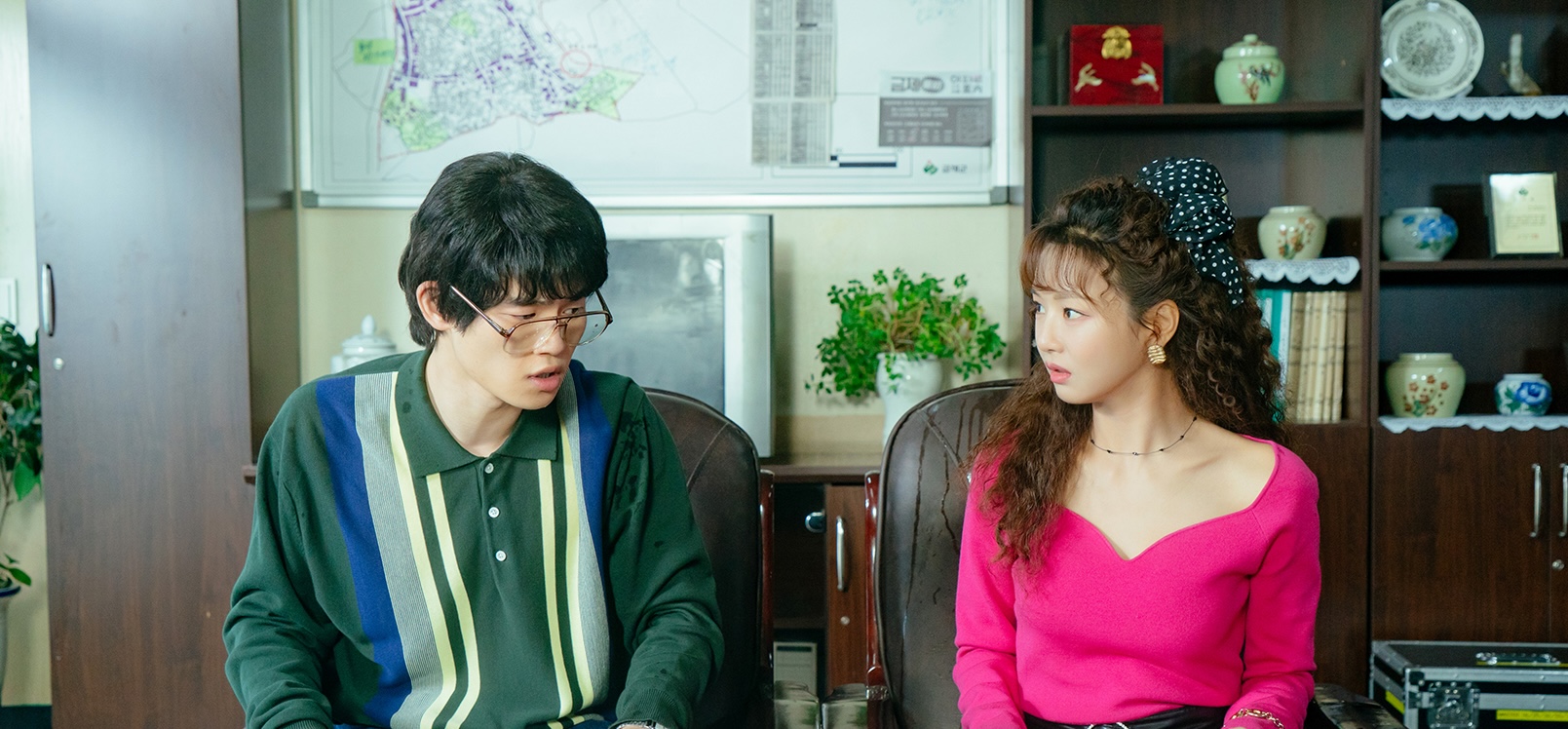
Joo Ri and Dae Geun: We’ve already mentioned how independent, strong and resilient Lee Joo Ri is. She’s the absolute opposite of Eom Dae Geun. Yet, these two lovebirds find their way to each other. Lee Joo Ri has always dated men who only cared about themselves, sex or her appearance. None took a real interest in her as a person or her son. All of them were strong-minded and interested. That’s the difference with Dae Geun. He’s innocent, shy, timid and pure. He’s never been in a relationship before but admires Joo Ri for the woman she is. Unlike other men who belittled her, Dae Geun considers her to be an impressive woman. He has a lot of esteem for her because she’s a single parent and a business owner. His clumsy and unassured love warms Joo Ri up. She’s approached by a man who cares about her for the first time. On the flip side, Joo Ri also has a positive influence in Dae Geun’s life because he wants to become a better person for her. He stands up for himself and becomes more mature and asserted. The typical ‘mother-in-law against the relationship’ trope may put an end to their relationship, but the flame is rapidly rekindled when Dae Geun’s mother gives in.

Title explained: I think the title bears quite a strong meaning. Roughly translated each word of the title means: ‘Jeongsukhan’ is virtuous, innocent and ‘Sales’ means sales obviously. Interestingly, there are two ways of reading it here. First, ‘a virtuous business’ which is rather ironic when you think about the fact that the female quartet sells adult items that are far from being innocent. Yet, they’re virtuous in the sense that they help female characters empower themselves, gain independence and voice out their needs. Second, you have ‘Jeong Suk Han’ that and be written like this. Han Jeong Suk is the name of the female lead too. So, we’re talking about Jeong Suk’s business in the drama. Her business can be associated with her work as a salesperson, but also her marriage, her love life in a more extensive way. The title gives away the importance of Jeong Suk as a character and a bridge between of the themes and events in the story.
 Once Upon a Drama