Presentation

Korean Title: 원경
Aired in: 2024 (12 episodes)
Channel: tvN, TVING, Viki
Grade: 10/10
Actors: Cha Joo Young & Lee Hyun Wook
For more…


Cha Joo Young:
– The Spies Who Loved Me
– Chimera
– The Glory
– The Real One Has Come
Lee Hyun Wook:
– Sunbae, Don’t Wear That Lipstick
– Mine
– Remarriages & Desires
– Shark: The Storm
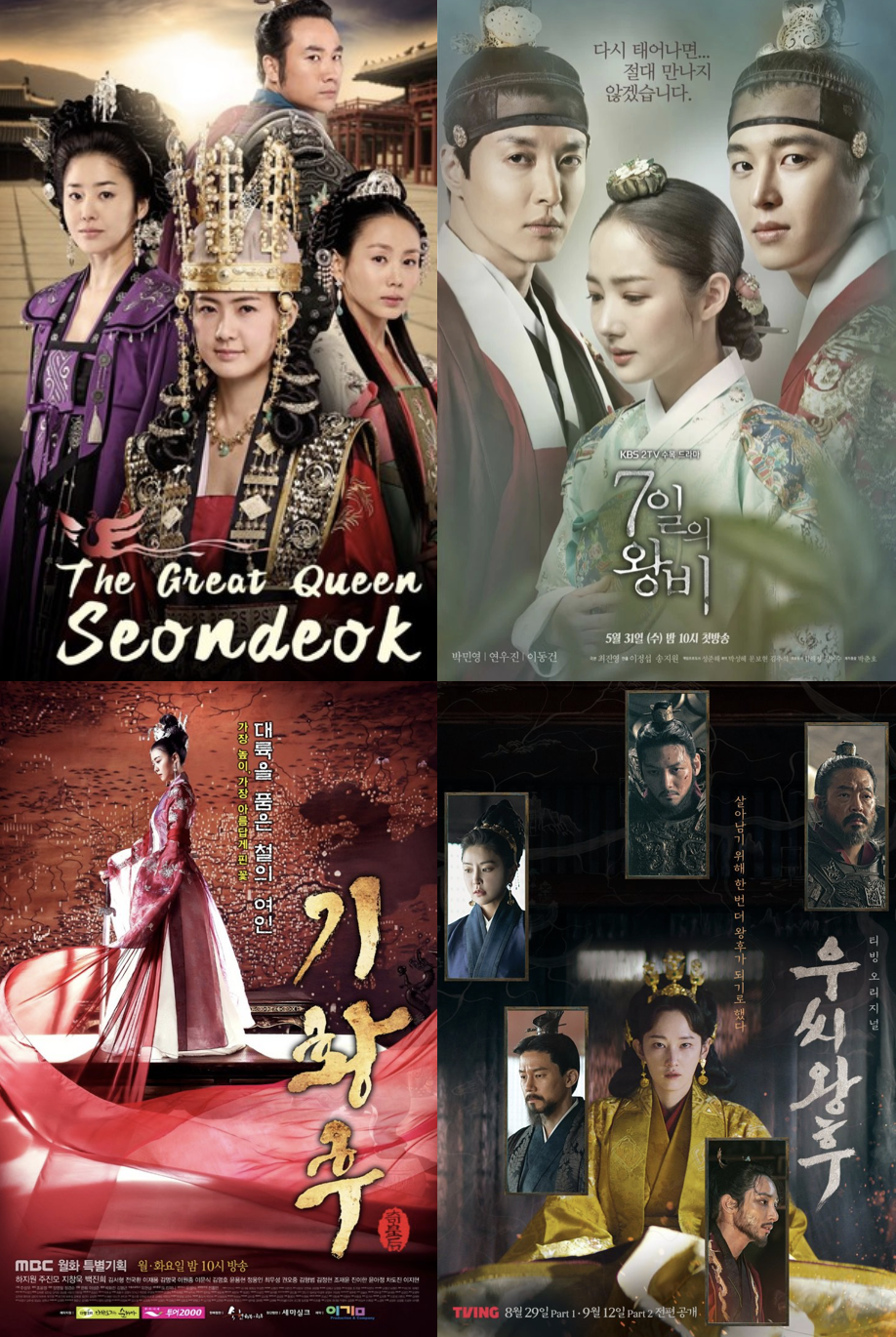
K-Dramas about real-life Queens:
– Queen Seon Deok
– Queen for Seven Days
– Empress Ki
– Queen Woo
Overview
Synopsis
During the Goryeo period, Queen Wongyeong, known as Lady Min, is married to Yi Bang Won. His father King Taejo, the founder of the Joseon dynasty, decides however to choose his second son Yi Bang Gwa as his successor. Wongyeong schemes to put her husband on the throne.
My Opinion (No Spoiler)
I love it when historical dramas choose to focus on Queens rather than Kings. But I like it even more when the drama sheds light on a historical figure who marked her time but has been forgotten by History. Taking these 2 elements into account, Wongyeong: The Queen Who Crowns could only be good to start with. And it was simply amazing! It traces back the rise of Joseon, the establishment of this new era by Yi Bang Won, but also the importance of Queen Min in the foundation of the new world. The plot is extremely well-woven. It shows how the Queen maneuvers power and navigates her complicated relationship with her husband. But it also emphasizes on her vision and the dream she has for the people. The couple’s relationship is absolutely well described. You understand the perspective of the King, the Queen and even the concubines and ministers. I liked how they also went from showing her enthronement to her death to relate all the ordeals and struggles they went through throughout their reign. Even when it comes to children, Queen Wongyeong has gifted the kingdom with the greatest figure of Korean History – Sejong the Great. Perfect in all cases! Now, I also need to tackle the acting performance. This is Cha Joo Young’s first leading role and I was amazed by how good she was: beautiful, stunning, credible. Lee Hyun Wook as the King and even Lee Sung Min as the former King are also mind-blowing. Finally, the direction was so beautiful. I really have nothing to criticize about this drama. Just watch it!
Analysis
- Timeline
1392-1400
1400
1405
1410s
1418
1420 - Characters
The Queen
The King - The love-hate relationship
Before sunrise
After sunset
The ring, symbol of their union - The laws of the palace
Stabilizing the new era
What it means to be King
The intrigue of the inner court - The acting performance
- The cinematography
Timeline: As the title suggests, the drama focuses essentially on Queen Wongyeong (Cha Joo Young) and her journey as Queen of Joseon. Hence the beginning of the show that opens with Wongyeong’s enthronement. From then on, we get to witness her rise as a powerful royal as well as her importance for the Joseon dynasty.
1392 – 1400: In 1392, general Yi Seong Gye rises to power and establishes a new era for the Korean Peninsula that will last until the early 20th century. He becomes the King of Joseon, his new dynasty, until his second son Yi Bang Hwa takes over in 1398 as King Jeongjong. However, his fifth son Yi Bang Won is thirsty for power and rejects his brother as King. Helped by the military power of his wife’s family, the Min clan, he stages a rebellion to seize the throne. In the meantime, he also executes his younger brother which is the breaking point in his relationship with his father. He’ll never forgive him for committing fratricide and greedily coveting power. Nonetheless, Yi Bang Won and his wife Wongyeong are successful in their endeavor. King Jeongjong abdicates in November 1400. Yi Bang Won becomes Taejong.
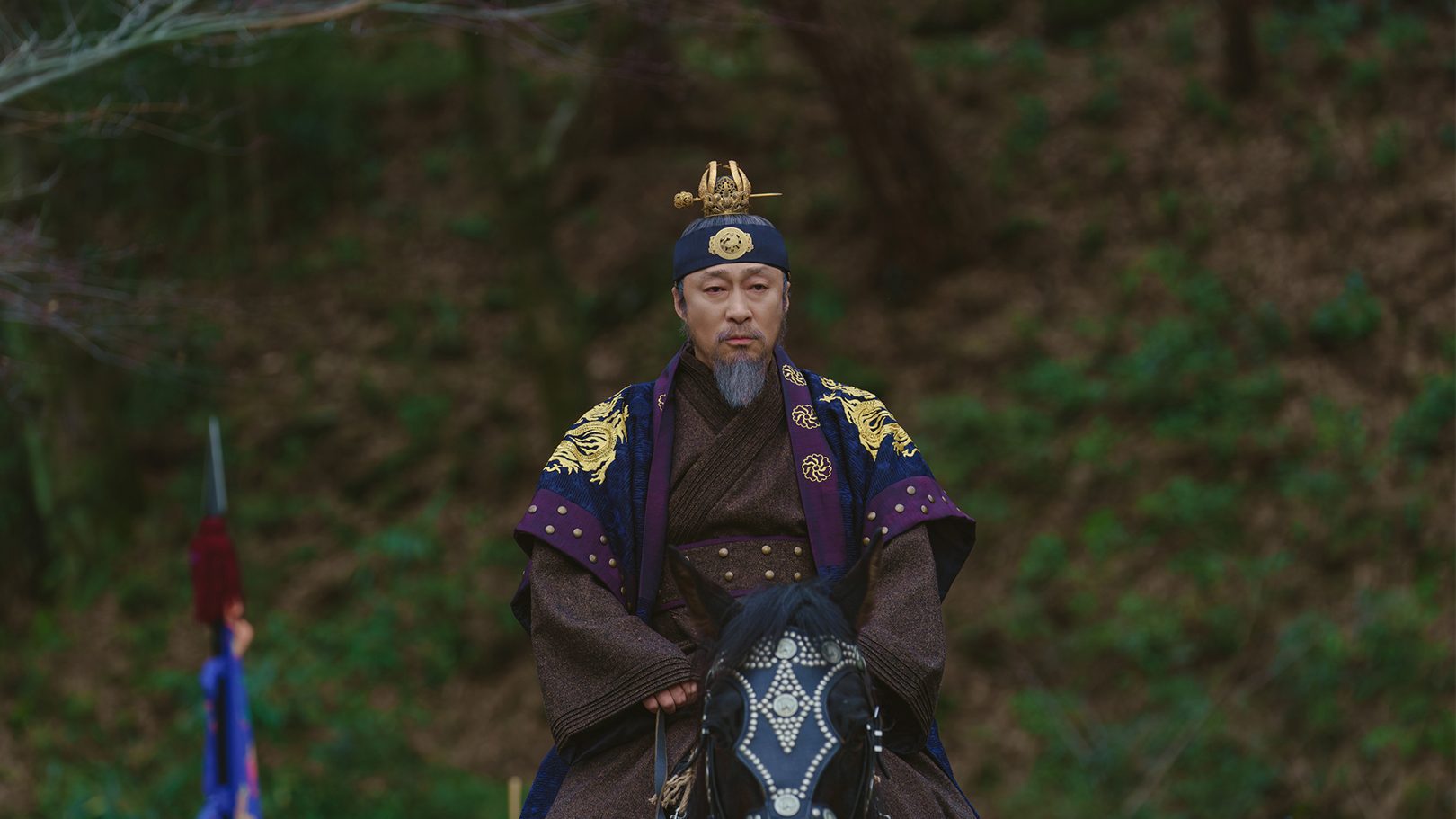
1400: 1400 marks the beginning of King Taejong’s reign and Queen Min’s enthronement. However, their reign doesn’t start under good omens. His cunning and scheming are not well seen amongst the officialdom, especially his brother’s supporters and King Taejo’s loyal counselors. Indeed, they believe that King Taejong is only interested in power. He’s not fit to be King and puts at risk his father’s efforts to make the nation a better place for the people. In those circumstances, King Taejong’s reign is quite unstable and fragile. He’s vulnerable and needs to rapidly secure his position. Opponents to the regime, nobility well-established in Gaegyeong (the former capital), deceitful ministers hoping to increase their wealth through the crisis, and so many more enemies orbit around the King and endanger his authority. Even on the Queen’s side, the future looks blurry and unstable. She needs to affirm her dominion over the concubines, while protecting the King from potential threats. On top of that, she and the King are going through a marital crisis in which both try to find their place as husband and wife, but also as King and subject. This, of course, leads to a series of arguments between spouses that weakens not only their trust in each other, but also the royal authority.
1405: 1405 is a turning point for the monarchs. Gaegyeong, which used to be the capital of the nation, is abandoned by the royal family. The King decides to establish Hanyang (the former Seoul) as the center of authority. This has heavy consequences for the entire aristocracy. Indeed, nobles used to have fields and land in the region near Gaegyeong. That allowed them to increase their fortune. But the sudden move to Hanyang is correlated with an exodus of the population who wants to start fresh in Hanyang. Nobles may potentially lose a lot of money and thus start panicking. This leads to some of them scheming to acquire land near Hanyang, so that they can continue taxing the peasants who want to buy houses. The move to Hanyang is synonymous with a real-estate crisis that the Queen manages to prevent, therefore shining as a better monarch than the King. This is a new turning point in the couple’s married life, as the King’s inferiority complex gets even bigger with that incident. His insecurities turn him against his own spouse giving way to officials’ cunning manipulation in order to create a wedge between both royals. Though the years following their move to Hanyang are associated with resentment and mistrust between the King and Queen, 1405 started off rather well for them with the birth of their last son. Both considered this child as a gift from Heaven sent to them, so they would reconcile. The young Prince will unfortunately die from smallpox years later, but he would’ve managed to instill joy and happiness in the family through his innocence.
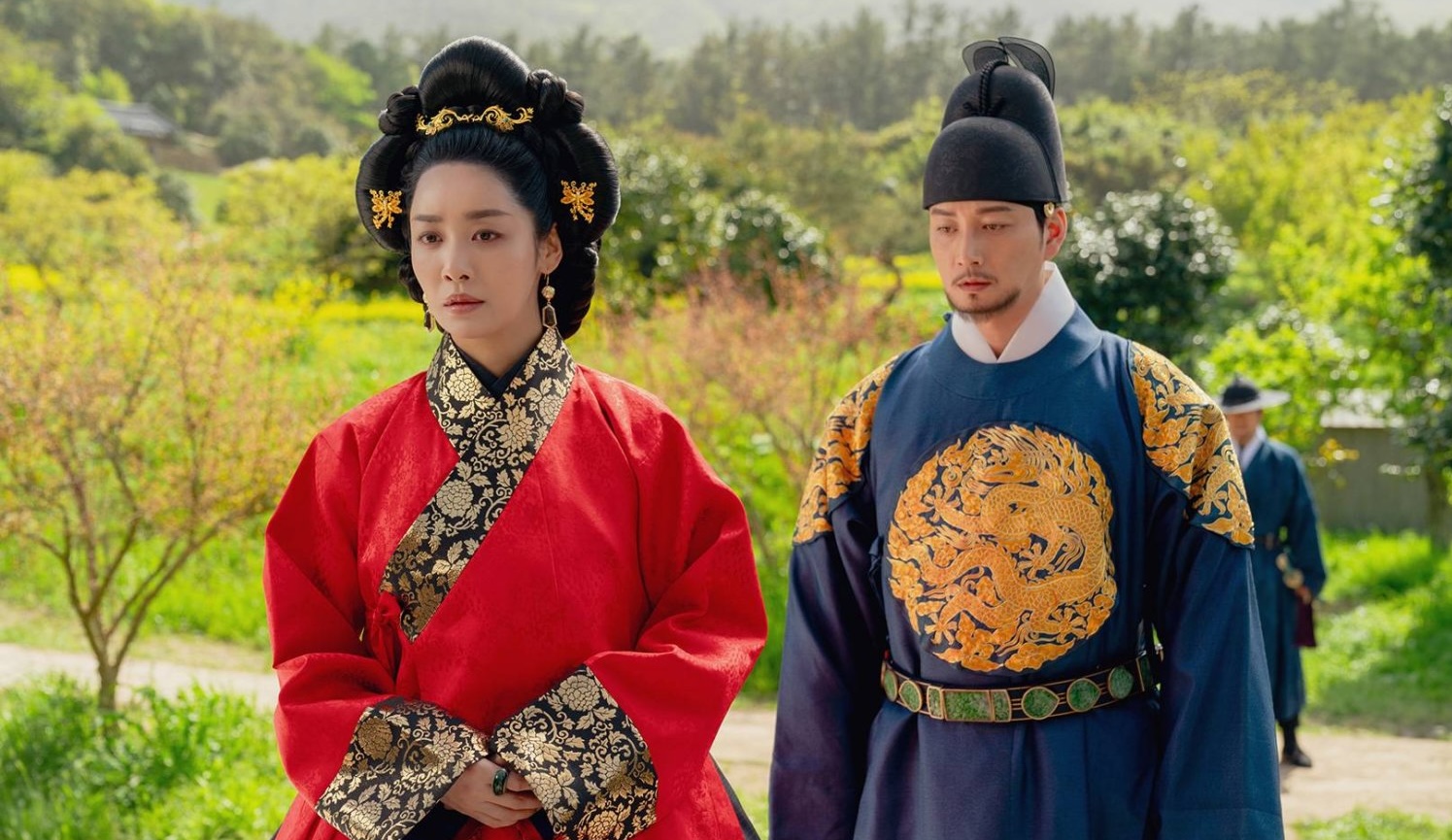
1410s: The 1410s are a period of turmoil and bloodshed for the royal couple. The King uses ministers’ new scheming as an opportunity to finally get rid of the Min brothers (all four of them) in order to reduce the Queen’s influence over politics and the court. Indeed, the Min Family is the reason why Taejong seized power in the first place. Its power and wealth mean that it can choose to replace the King anytime they want. Out of fear, the King would rather eliminate the sword of Damocles over his head than risking it. Though he knows killing the Queen’s brothers would inherently destroy his relationship with his wife, he has no other option if he wants to secure his and his son’s position on the throne. Queen Min is first and foremost loyal to the Nation and the vision she shares with her husband. Therefore, she accepts that fate. In that same decade, we get to see the fight for the throne of the younger generation. While the King is hell-bent on making the Crown Prince his successor, Queen Min sees in her third son, Yi Do (Park Sang Hoon), the enlightened monarch she and the King have dreamed of for the country. Yi Do is an intellectual who has his people at heart. He’s kind and benevolent, turned towards innovation and science.
1418: In 1418, the Queen wins her case. King Taejong recognizes Yi Do’s worth and abdicates in his favor. Even today, Queen Min proves that she was right to fight for Yi Do, as the latter became King Sejong The Great. He’s seen today as Joseon’s greatest monarch. He created the Korean alphabet, the Hangeul, still used by the Korean population. At his time, this invention enabled to educate many peasants for which learning Chinese characters was difficult and challenging. Using science, King Sejong also made improvements in the agricultural, political and economic fields.
1420: 1420 marks the end of a journey – and of the drama – with the death of Queen Min. She dies of sickness 2 years before King Taejong, leaving behind a strong legacy through her actions and children. In the drama, the King is utterly devastated by the loss of his wife, who was the main architect of his success as a King. Though she’s been forgotten by History, Queen Min – who was posthumously named Wongyeong – will forever remain as the Queen who shaped Joseon into a solid dynasty.
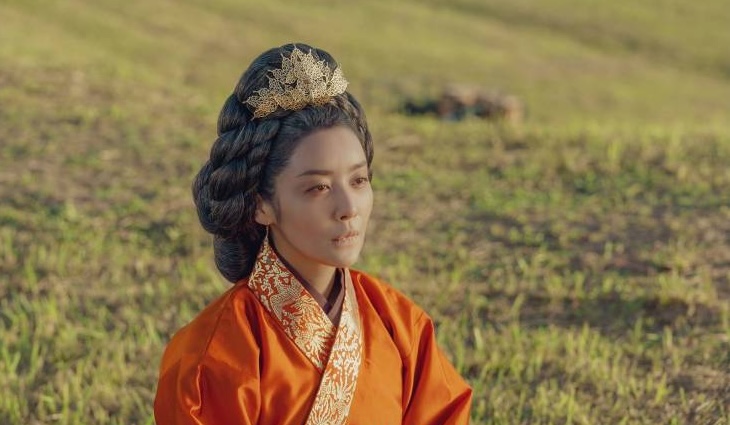
Characters: Though all characters are worth mentioning, the drama is entirely carried by the main couple. The King and the Queen are the ones at the heart of power struggles and political shifts. Each has his own place even if roles tend to be blurry at times.
The Queen: If Wongyeong had been a man, she would’ve been King. Unfortunately, her gender only allowed her to thrive to the most coveted place: the Queen. She has all the qualities necessary to be a leader. She’s clever, wise, calm, never let her emotions sway her even in the worst moments – like when the King antagonizes her. She’s a fine strategist, devising plans and scheming in the shadows to ensure her husband remains on the throne. Without her, it’s probable that Yi Bang Won would never have taken the throne. On top of that, she has military power, as the daughter of the Min family. However, Queen Min would’ve become a tyrant or would’ve been killed quite early on, if she didn’t not have her honor and duty at heart. Indeed, she and her husband share the same dream from the very beginning of their relationship and reign: A nation devoid of corruption. To achieve that dream, Wongyeong is willing to accept quite anything, even if it means losing her greedy brothers or accepting the King’s new concubines. Throughout her life, Queen Min has proven to be benevolent and virtuous towards others, upright and fair between her sons and the concubines’ sons, but also ruthless and determined if it meant protecting the kingdom and her dream. This also means that she didn’t fear confronting her husband if it were for the greater good. Although she did a lot to establish the future Joseon as we know it today, her name and story were forgotten by History. But she has been the ‘hidden hero’ of Joseon, as mentioned by the King himself, who helped him take the throne and establish a new era. The name of the drama ‘The Queen Who Crowns’ portrays subtly her importance and influence throughout History. Not only has she put her husband Yi Bang Won on the throne amidst chaos and internal strifes, but she’s also supported her son, so he would take over his father’s place despite not being the first son. History proves that this was a wise decision, as this same son became King Sejong the Great. All in all, Queen Min is a queen who crowned the future Kings of the Nation, but above all, she crowned the wisest and best of them all for the country and its people.

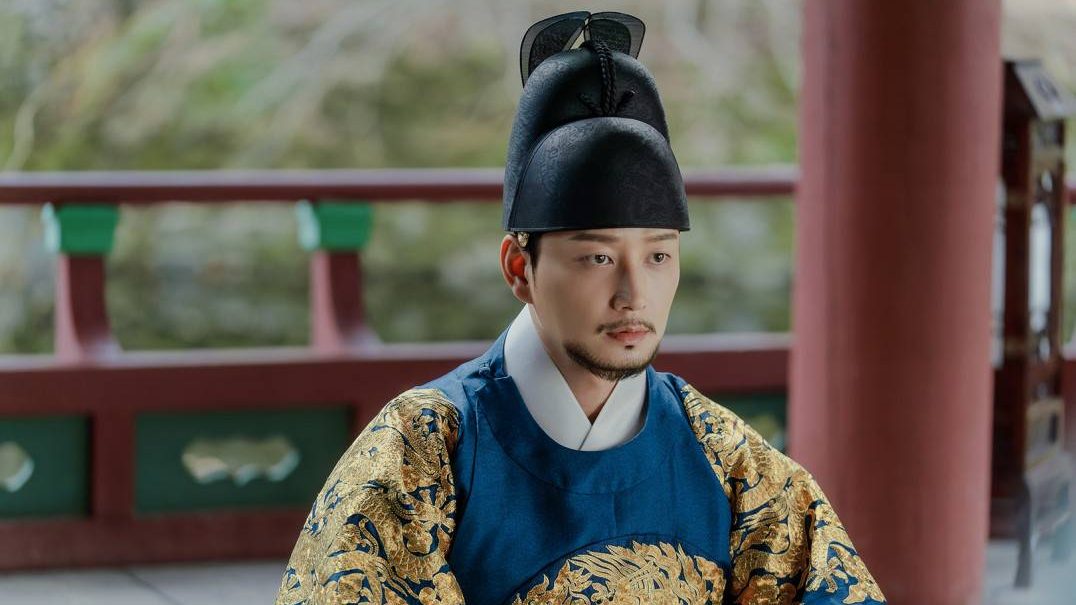
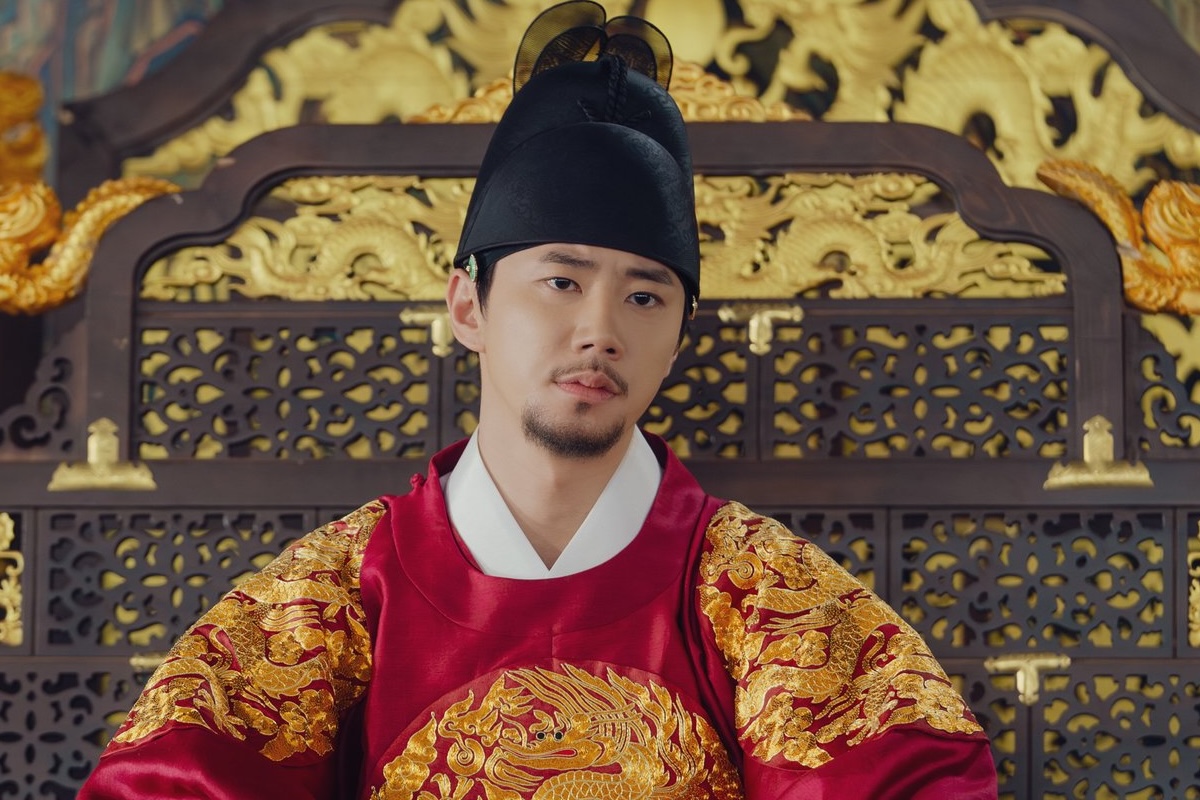
The King: King Yi Bang Won is a very complex character. Unlike Queen Min whose behavior follows duty and reason, the King is mostly swayed by his emotions in his decision-making. All his life, he’s felt as if he were not enough. He’s father first praised him, but never considered him as the potential future King. Later on, he only received hatred and scorn from his parent for having murdered his brothers. Even as a King, his officers and ministers compliment the Queen and emphasize that she would’ve made a better King had she been a man. All of this led the King to develop an inferiority complex towards his wife. Hence his need to assert his power and superiority over her, especially in times of disagreement. To belittle her, the King would take her closest maids as his concubines. This was a way to isolate his wife and make her suffer solitude, as much as he suffered from it due to his position. In the meantime, I couldn’t really see the King as a jealous husband only. On the contrary, he proves that he‘s always had the shoulders to be King. He continuously uprooted corruption, even if it meant getting rid of his in-laws. Though it was painful for the Queen, I understood the King’s decision and sided with him. His throne would never have been secured so long as the Min family remained unscathed. Yi Bang Won may look like a King who only thinks with his heart, but all his decisions are the product of careful thinking. Even when he makes a rash decision, he remains open-minded and accepts to go the other way around if it’s a better route. This is also a sign of wisdom that sometimes clashes with his immaturity when it comes to love and relationship.
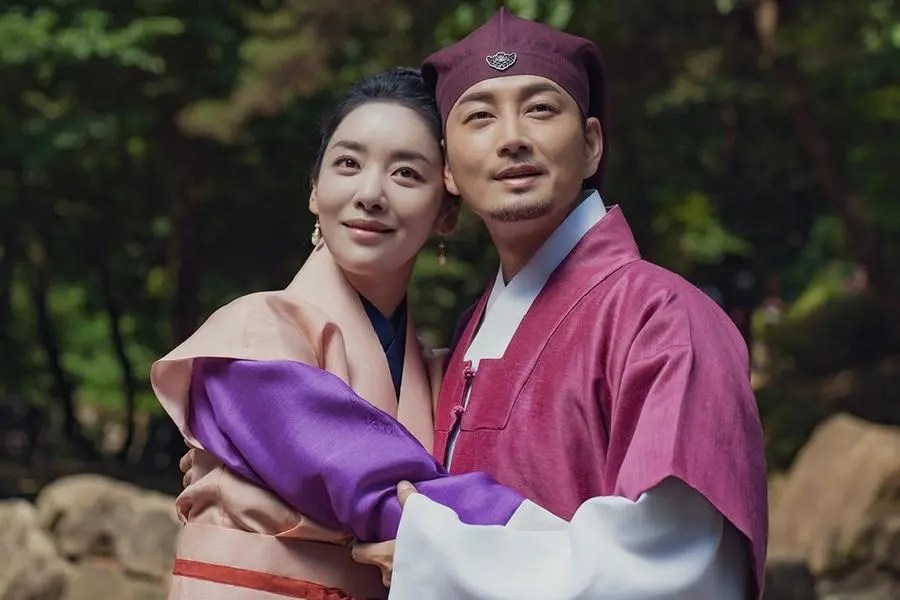
The love-hate relationship: The dynamic between the King and the Queen is simply fascinating. It was really interesting to see how the tension and/or love at the core of their relationship influence their decisions as rulers and thus the fate of the Kingdom. Both can’t live without each other – as proven many times, but there’s also a certain need to hurt each other – especially when they disagree. They oscillate between feuds as enemies, and harmony as rulers and parents. Years pass by, and each period comes with its lot of pain and happiness. Despite all that, they never once split. They are both conscious that their methods are different, yet they lead to the same destination that is to say the vision they share. That same vision is the one thing keeping them together through love and hate. The confrontation – punctuated with peaceful phases – is the dynamic we see mostly in the drama. However, we got lucky, as they added a few episodes to explain how both had met and fallen in love. These additional episodes were a blessing for me, as it really gave more insights on the people they were before their heart and soul became tainted by the throne. This was proof that power change people, as much as responsibility and time itself.
Before sunrise: The additional episodes named ‘Before sunrise‘ offer another, more innocent view on the couple. It tackles their encounter and start as a couple. At that time, Queen Min was just a simple noblewoman, a rebel who had at heart to protect the poor and innocent. Meanwhile, Yi Bang Won was an idealistic Prince whose vision was sometimes clouded by reality. The way they started is a great portrayal of the rest of their lives together: bickering as equals on just any topic. Yi Bang Won admired and respected his future wife for her values and courage to fight for them. The future Queen saw in Yi Bang Won the monarch who would make the nation a better place for its people. Queen Min had the strength and fighting spirit, while Yi Bang Won had the open-mindedness and tolerance. Combined together, these qualities made the couple the perfect duo to take over power and establish a new era. But their stubbornness also resulted in arguments between them, many of which we witness in the next episodes of the show.
After sunset: The sun is often associated with royalty, and more precisely ruling as a monarch. If we push the comparison here, the sun is associated with the couple’s enthronement in the drama. The episodes in ‘Before sunrise‘ correspond to their youth and time of innocence, while the episodes in ‘After sunset‘ are darker and less lighthearted, as they match with their reign together. Establishing a new Kingdom is no easy thing. It requires strength, courage, determination, but also stubbornness and belief in oneself that anything is possible. Challenges are numerous and chances of success very slim, hence the need to focus on your goal and remove all the noise around, among which your love for others if not humanity. That’s what the King did to maintain his position. It’s an honorable behavior but it came with certain sacrifices that his wife, Queen Min, had to pay.
The ring, symbol of their union: The dragon ring is a crucial item in the drama that represents the royal pair. As shown in the episodes of ‘Before sunrise‘, it was given to scholar Yi Bang Won as a gift from Queen Min. Throughout the drama, the ring symbolizes Wongyeong’s love for her husband, but also the King’s complicated attachment and adoration to his wife. First, it’s a dragon, symbol of the King. The fact that Wongyeong offers it to Yi Bang Won before he even considers taking over the throne is a fateful sign that their destiny is sealed. Second, there are several scenes focusing on the ring, when the King is forced to hurt the Queen. The ring gets tainted by blood, just like the King’s love when he decides to execute her brothers or take her maid as concubine to avenge himself. Finally, the last scenes of the show display the King waiting for the sick Queen’s return. He still wearing his ring, as an everlasting gesture of affection for the one who walked the tough path alongside him. Blood, time, seasons, the ring may have been through a lot, but it resisted. Just like the couple managed to go through life as one.
The laws of the palace: Like in every historical drama, the palace is not a fun place to live in. There are many strict rules and people – royals as much as personnel – can fall prey to schemes. When he gets on the throne, Yi Bang Won’s main goal is to stabilize his rule. To do so, he needs to convince ministers to side with him by leveraging on their personal interests, but also to use the Queen’s influence to enforce peace in the inner court.
Stabilizing the new era: Yi Bang Won’s reign is a period of transition from Goryeo times to the new Joseon era. He lays the groundwork for generations to come by uprooting corruption amongst his ministers and officials. Indeed, many of them have used the political chaos and power struggles between royal brothers in order to enrich themselves. They all covet land, money and official positions to elevate their status and gain even more power over the King himself. Even the Min family is using its influence to assert dominion over the King and thus rule in his stead behind the scenes. This pressure and ministers’ manipulative attempts to drive the country following their hearts and pockets’ desires is what the royal couple tries to dismantle. Though their methods are different, their objective is similar. For Yi Bang Won, his reign is a stressful and pressurizing time period that calls for firmness and sometimes blood. The hatred he gets from his wife (at times), family and ministers is the price to pay to create a whole new world based on clean foundations. On that matter, I think the King and Queen succeeded and left behind a sane state to rule over for their children. They didn’t eradicate corruption completely – that is just impossible, even in today’s societies – but they gave future monarchs a chance to implement reforms and improve the people’s lives.
What it means to be King: At the end of the drama, Queen Min bets the future of the Kingdom on her son Yi Do and fights against her husband for his enthronement, despite him not being the first born. The reason behind is because she’s seen in him the perfect ruler to succeed his father. Just like her and Yi Bang Won, Yi Do has a vision for Joseon. He puts his people before his own interests and that’s what makes him a great monarch. He’s also conscious that, as King, he would sometimes need to sacrifice himself for the greater good. And he’s willing to do so. His mature mindset sways Wongyeong. Yi Do is book-smart, uninterested in scheming, wealth, power and women. He’d rather spend his time and energy in learning and studying than to be manipulated by his family and officers like his older brother. On top of that, Yi Do is assertive and determined. He knows what he wants and fights for it, but with his wits and not his fists. His desire to become King and make great things convinces the Queen that he’s the sole heir to the throne capable of protecting her husband’s legacy. Wongyeong was right to support Yi Do, as he became Sejong the Great. He’s now considered as one of the most brilliant monarchs of Joseon, father of many reforms and improvements. He defined what it means to be a King and how good one can be if he rules wisely.
The intrigue of the inner court: Apart from political stirs, the drama depicts perfectly well the chaos that also reigns inside the palace. If the King struggles to keep ministers at bay, the Queen has to maneuver against greedy concubines who all wish to see their son as the next King. It’s even harder for Queen Min to restrain the King’s concubines considering that they are her previous maids and used to be her most trusted friends. However, it’s extremely interesting to see how much power can destroy friendships. In the harem, you have 3 main profiles of concubines. Young Sil (Lee Shi Ah) used to be the Queen’s maid before she even met the King. However, Yi Bang Won cheated on Min and a child was born out of this union. Though Young Sil stayed away from the royal couple and raised her son alone, she presented herself again when she realized that her son had a chance to be Prince. She grabbed the opportunity of a better future and thus entered the harem. After that, she schemed against Queen Min, hoping that this would help her son become the next King. She also used her body and close relationship with the King in order to sway him and turn him against the Queen, whilst the couple was estranged. In the end, Young Sil paid her disloyal behavior and was thrown away by the Queen herself. The second profile is that of Chae Ryung (Lee Yi Dam) who has a similar development as Young Sil. She was the Queen’s most beloved maid and was taken by the King in an act of revenge. Lying with the King elevated her status, but put Chae Ryung in a difficult position between the spouses. Though she first followed Young Sil’s example, she rapidly understood that she had to find her own path to survive in the palace. Siding with either the King or the Queen entirely would make her collateral damage. Chae Ryung is a good character in the drama that grows with time. She turns wiser and better at playing the political gain, while remaining faithful to her true self and her real values (those she has before she becomes a concubine). She may have lost herself along the way, but her setbacks combined with the Queen’s advice helped her find the right path. The third profile is that of Kwon Seon (Yeon Si Woo). Contrary to others, Seon comes from an eminent family. She married for political reasons and knew perfectly well what to expect from this union. She doesn’t love the King, neither does he. Her passion for music is what makes her bear her solitary existence in the palace. Despite all that, she refuses to get involved in feuds between concubines. She keeps an open ear and acts if needed, but doesn’t actively engage in schemes. Her noble condition and educated mindset are reasons why she doesn’t want to play this petty game. Moreover, she knows the consequences that await her if she were to take a side and things turned sour. She’d rather not risk it.

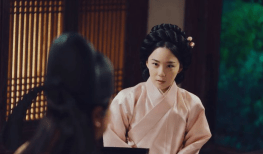
The acting performance: I will not lie, all actors were absolutely stunning in that drama. Cha Joo Young and Lee Hyun Wook delivered one of their best performances. They beautifully portrayed their characters, displaying the whole panel of emotions from passion to hatred, from sadness to dignity. I think the intensity of the show really stems from actors’ capacity to reflect the difficulties to navigate life as spouses, monarchs, parents and also human beings enduring their fate. Not only the leads, but also secondary actors deserve recognition starting with Lee Sung Min. He was so legit as King Taejo. I couldn’t see any other actor play the part. Even concubines like Chae Ryung (played by the excellent Lee Yi Dam from Daily Dose of Sunshine) wowed me. There’s no debating it, they were all good. The drama is only better thanks to them and I really hope Cha Joo Young and Lee Hyun Wook will get awards for their roles.
The cinematography: There’s the plot, there’s the acting performance and there’s the cinematography. This drama manages to combine all 3 together to deliver one of the best historical shows I’ve been given to see. The cuts, the scenes, the light, the costumes, everything was polished to make the story of this forgotten historical figure even more spectacular. Wongyeong: The Queen Who Crowns is aesthetically pleasing. Scenes convey characters hidden emotions, but also emphasize on the unspoken that only the eyes can decipher through the lens of a camera. Truly stunning!
P.S.: I will go delulu if Cha Joo Young doesn’t get an award for her performance in this drama! She really deserves one!
 Once Upon a Drama