Presentation

Korean Title: 경성크리처
Aired in: 2023-2024 (10 episodes)
Channel: Netflix
Grade: 10/10
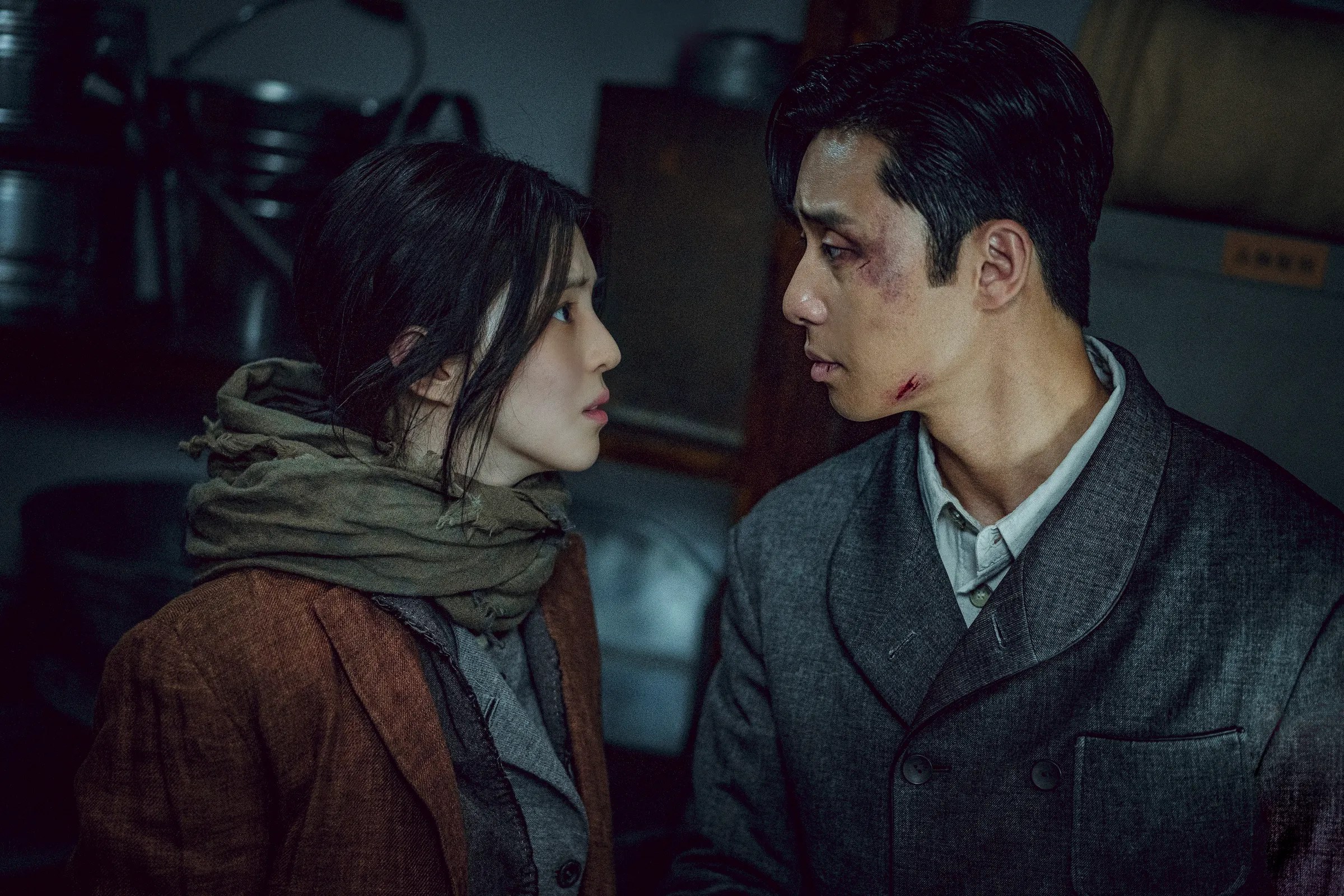
Actors: Park Seo Joon & Han So Hee
For more…
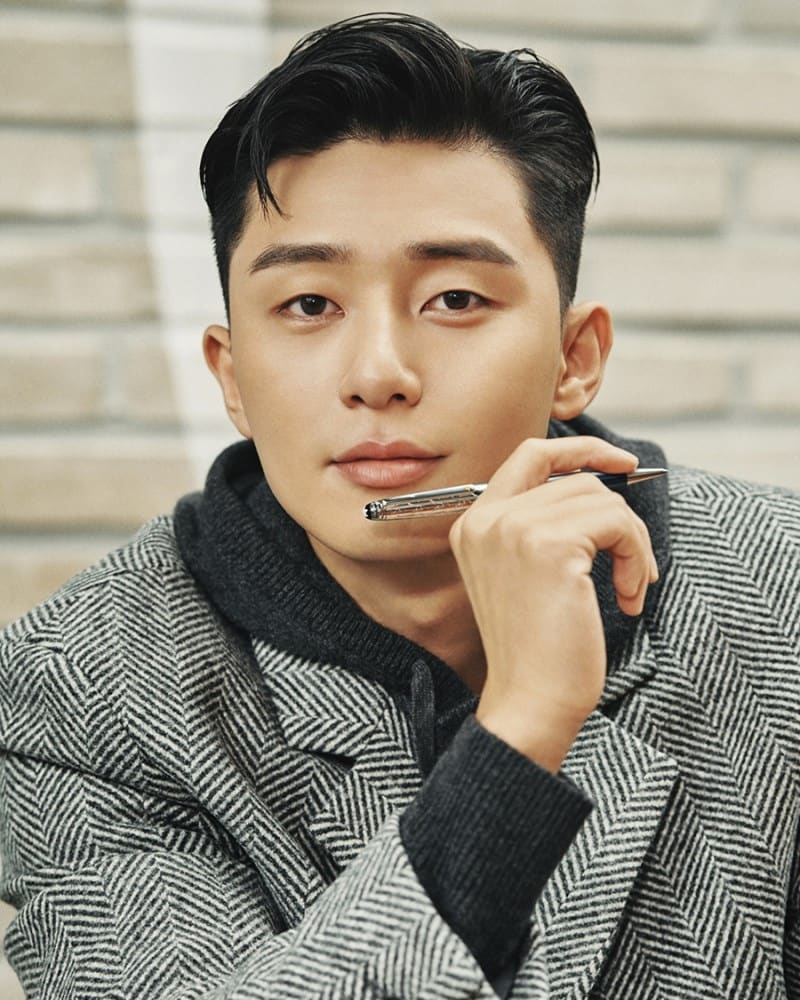


Park Seo Joon:
– She Was Pretty
– Hwarang
– What’s Wrong with Secretary Kim
– Itaewon Class
Han So Hee:
– The World of the Married
– Nevertheless
– My Name
– Soundtrack #1
Claudia Kim:
– Monster
– Chimera
– The Atypical Family
– A Normal Family (movie)
Preview
Synopsis
Set in 1945 in Gyeongseong, Jang Tae Sang is a wealthy man, known for his ability to gather reliable information. He gets involved with Yoon Chae Ok who’s very good at finding missing people. Together, they solve a series of mysterious missing person cases.
My Opinion (No Spoiler)
One of the best gifts I’ve received for Christmas! Penned by the amazing Kang Eun Kyung (Dr Romantic, Gu Family Book, Where Stars Land), the drama is a perfect combination of fantasy and action. It’s full of tension and mystery that flow really well episode after episode. I found the creature pretty credible and characters’ transformation quite sensible as well. As for the underlying narrative of how it was for Joseon to be under Japanese Occupation, I believe it was credible and rather realistic. Not to mention that the cast that did a great job too! I was really immersed in the story. But the best part is that they teased us with a second season. So, I can’t wait to see how the story will continue.
Analysis
- 1945, under Japanese Occupation
Torture and terror
Experiments
Military power vs. informative power
The Independence spirit - The Japanese Dr. Frankenstein
- Who’s the real monster?
- Jang Tae Sang, The Great – Portrait of a Nation
- Love under the cherry blossoms
The romance
Family love - The ending
- Answers we need in Season 2
1945, under Japanese Occupation: Apart from his fantastic plot, Gyeongseong Creature relates an important part of South Korean History. From the end of the 19th century until 1945, Joseon has been under Japanese Occupation. This dominion naturally came with a series of changes for the Korean inhabitants that are present in the drama.
Torture and terror: Any occupation of one country over another inevitably leads to behaviors slipping out of control. The invader wants to assert his power, while the invaded rebels and fights back for his freedom. Considering that both sides clash, the result is often bloody. Joseon was no exception to the rule at that time. Like it is shown in the drama, many Korean were subject to torture and the rule of terror dominated this period. For instance, Mrs Nawol (Kim Hae Sook) was kept into a cell for days. She was drowned, burnt, wounded, and mentally tortured. She was freed only after she had denounced her friend and other rebels as well. Police at that time didn’t care about the truth. Even if innocent people were arrested, they would not be freed until they told what officers wanted. Other characters, like Gu Gap Pyeong (Park Ji Hwan) or Kwon Jun Taek (Wi Ha Joon), suffered at the hands of the Japanese repression. Physical torture was not the only weapon used by Japan. Terror was also pretty common in order to keep civilians in check. For example, they would threaten people’s businesses, or just beat someone up in the streets if they believed they had been disrespected. Beom Oh (Ahn Ji Ho) – Jang Tae Sang’s (Park Seo Joon) helper, is the perfect example of this type of oppression. He’s promised a ticket to Japan and money to take care of his family in exchange of his betrayal.
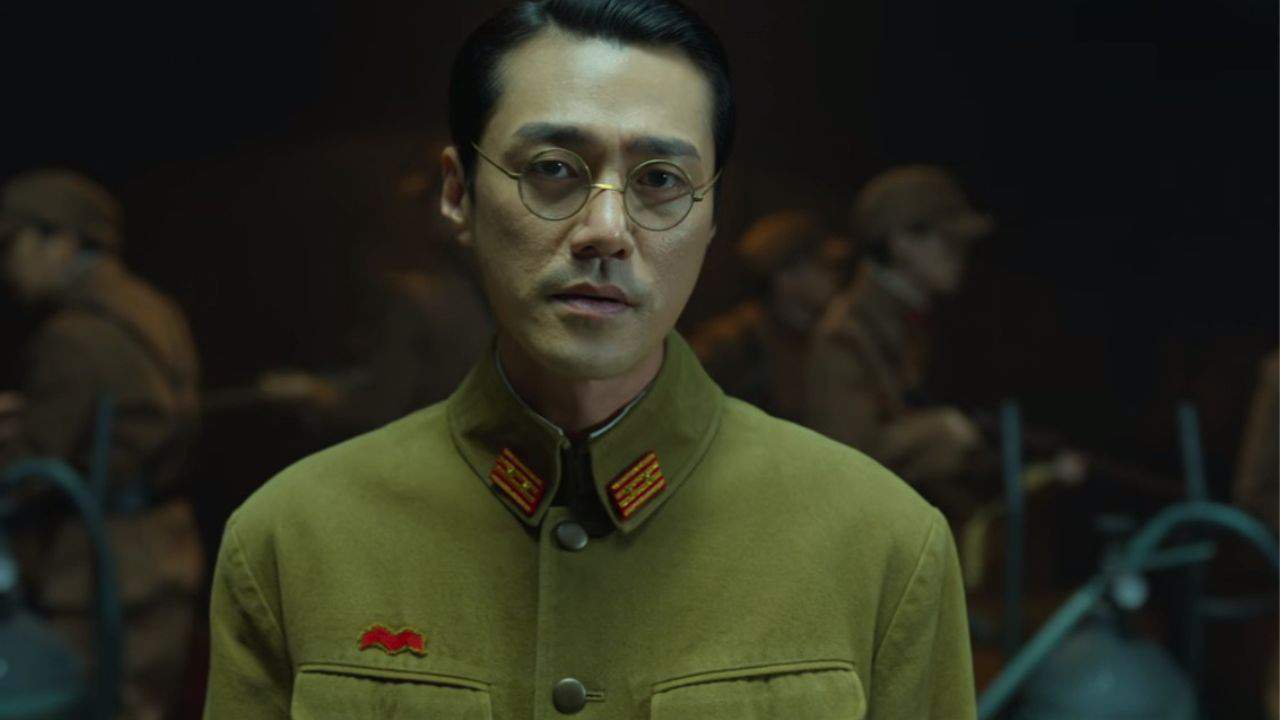
Experiments: The drama goes even further than just showcasing torture. Indeed, the entire plot revolves experiments Japanese soldiers do on Joseon people. After being captured, they are imprisoned in the basement of Onseong Hospital. There, they are either used as Director Ichiro’s (Hyun Bong Sik) guinea pigs or as Colonel Kato’s (Choi Young Joon) toys. Either way, the test subjects have no real chance of survival. In the first case, they are dissected alive, so Ichiro can study the human body. In the second one, they are injected with a parasite that turns them into monsters. To me, it’s clear that experiments on people have happened in the past (like it’s been the case during most wars/occupation periods). However, Gyeongseong Creature softened the horror it entails by adding a touch of fantasy. This also made the drama emotionally less heavy.

Military power vs. informative power: Occupation is like a dormant war. Two sides fight against each other with their own weapon. In Gyeongseong Creature, the Japanese have the military and political power. They appear to be those in control. Against them stand the Joseon activists who wish to liberate their country. Considering that every Joseon civilian is repressed by Japanese forces, activists find in the masses the greatest ally possible. The information they gather and the underground networks they have developed allow them to counter-attack. That’s what happens for example when Jang Tae Sang helps Yoon Chae Ok (Han So Hee) and the hostages to run away from Onseong hospital. One single order from him, and his words spread like wildfire throughout the entire city. Each civilian is mobilized: People in the streets, Na Yeong Chun (Ok Ja Yeon) who works in a bar, the rickshaw drivers, the tailor, and so many others. Japanese intruders may hold sticks and wear uniforms, but they can do nothing against the crowd and the information it collects. Another example showing the power information yields in the drama is when Jang Tae Sang escapes from the hospital. He then meets Commissioner Ishikawa (Kim Do Hyun) and suggests a deal. He would not talk about what occurs within the hospital if he frees his people. And it works.
The Independence spirit: As mentioned before, the drama gives recognition and praise to all of those who fought for the Independence of the country. Even though it’s not the main topic, the Independence spirit has an underlying presence throughout the drama. First, Jang Tae Sang’s monologue forgives those who denounced their friends, blaming it on the enemy and external circumstances for putting them in that position in the first place. Second, many characters – even secondary ones – are willing to give their lives for their cause (like the journalists caught at the beginning and jailed in the hospital basement). Finally, Joseon and its people will eventually triumph. The end of the drama is the epitome of that victory spirit. During Ishikawa’s funeral, all Japanese high-ranking officials gather for the ceremony. Victims and activists join hands to pay Japan back. They install dynamite and blow the place up. In the end, Joseon won over their enemy.
The Japanese Dr. Frankenstein: If I were to push the comparison to the extreme, I would say that Gyeongseong Creature is a modern and historical rewriting of Mary Shelley’s famous novel Frankenstein. In both works, there is a scientist (Dr. Frankenstein vs. Dr. Kato in the drama) who’s obsessed with giving life to a creature that will revolutionize evolution. In Dr. Frankenstein’s case, he wants to bring the dead back to life. In Dr. Kato’s case, he wants to create a super-human that will help Japan win the war. Of course, both characters lose control of their creations, though it’s not certain in Gyeongseong Creature that Kato has failed. Indeed, he helps Akiko give birth to her baby in the last episodes. We know that the female prisoner had previously ingested the Najin worm and that her baby developed with the parasite. He’s thus become an hybrid who may turn tables in season 2. Another common point between the English novel and the Korean drama is the experimentations the two doctors do on people in order to achieve their ‘dream’. Frankenstein uses different body parts, sews them together and uses electricity to bring the monster to life. Meanwhile, Kato and Ichiro conduct experiments on Koreans in order to put their science to the test. Finally, the last similar trait I would mention between these works is the hubris (aka the ego) of Kato and Frankenstein. They are so blinded by their desire to succeed and have an invention in their names, that they forgot ethics, moral, and respect of human life. I’m pretty certain that like in Shelley’s book, the creature will turn its back on its creator and wreak havoc his life work like it’s already been the case in season 1 with Seishin.
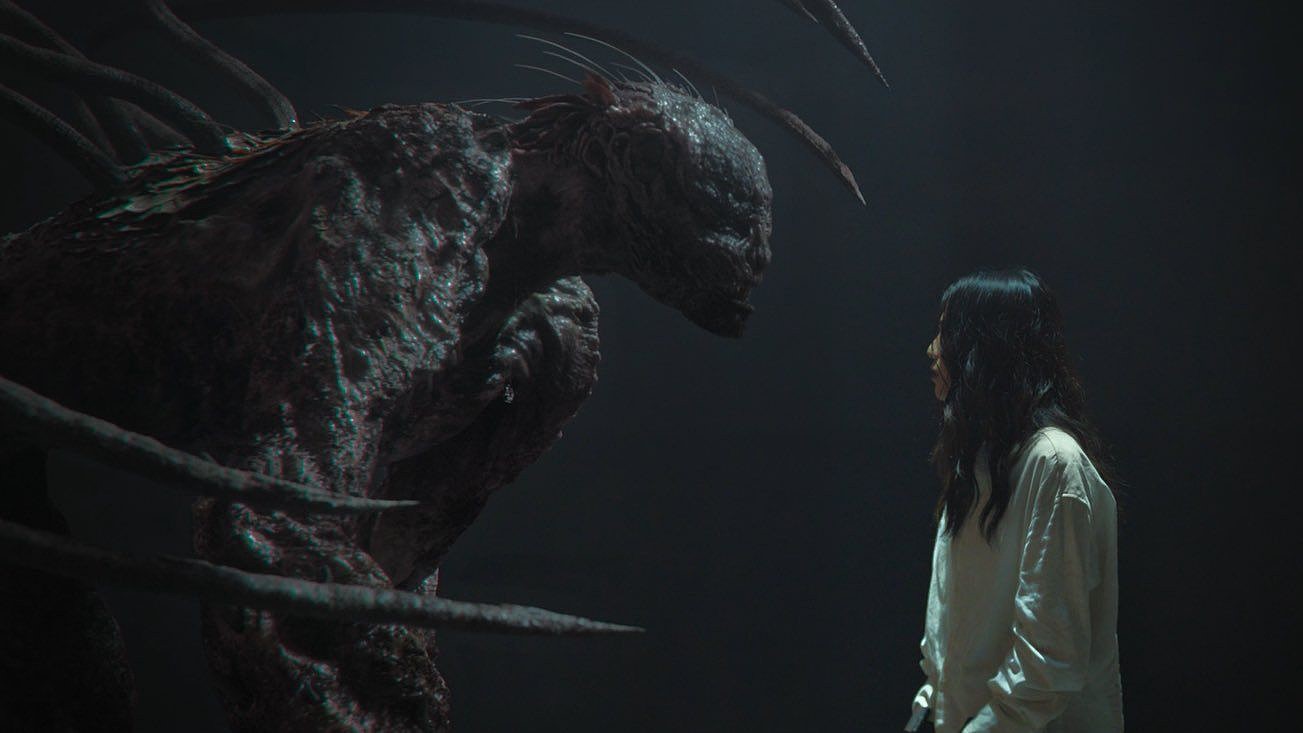
Who’s the real monster? Gyeongseong Creature does an excellent job at asking the right questions, especially when it comes to qualifying characters’ actions and behaviors. You would think that Seishin, the creature and Chae Ok’s mother, is the actual monster because of her transformation and physical appearance. Nevertheless, she appears to be more human than half of the Japanese characters in the drama. Hence the question: Who’s the real monster after all? When Seishin shields her daughter from bullets, Ichiro cuts living people open to study their anatomy. When Seishin helps her daughter escape from the hospital, Kato pursues his madness and keeps on studying the Najin and using it. When Seishin runs away from Onseong hospital to protect Chae Ok, Maeda is investing money in Kato’s experiment and trying to get rid of her enemies. The lines between good and evil are blurred to the point that answering that simple question turns into a philosophical debate on morals. Who would you say is the real monster: Is it Kato for playing God? Is it the Japanese for torturing innocent people and taking away their country? Is it the actual creature Seishin? Is it Maeda who’s acting in the shadows? Is it Najin the parasite? Is it Akiko’s baby who’s the evolved version of a human?
Jang Tae Sang, the Great – Portrait of a Nation: This character lives up to his name. In Korean ‘Tae Sang’ literally means ‘Great’ or ‘the Best’. And that’s really what Jang Tae Sang is. First, he’s the King of the streets. Over the years, he’s weaved a powerful web of informants who can relay information faster than the wind. Second, he owns a pawn shop where people give away their goods in exchange of money. By doing so, Jang Tae Sang has managed to get the appreciation from people. Third, he always holds his promises and is never resentful towards those who don’t. For instance, he instantly forgives his employees for betraying him. Fourth, he cares about people, no matter the social class. That’s exactly what makes him the King of the streets. Resourceful, reliable and kind, his Korean compatriots know they can trust him, and would do the same in exchange. For example, he’s the one who rescues prisoners in the hospital and who frees them from jail when they are arrested by the Japanese police. Finally, he never dies. He’s the hero of the drama. He represents the Nation, its values and thirst for Independence. Resilience, forgiveness, honor, sacrificial spirit and love of the people are his main qualities. And interestingly, these are also the principles by which Joseon and its people abide. Jang Tae Sang is a hero, the symbol of a strong country and the perfect companion in peace and at war.
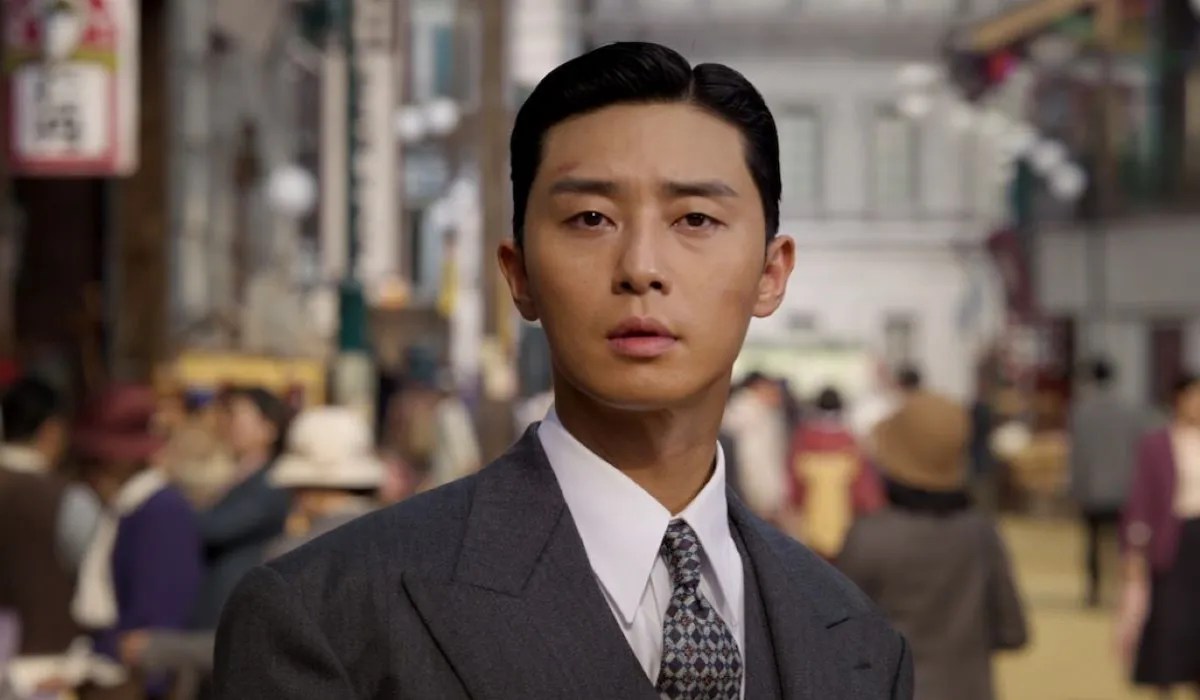
Love under the cherry blossoms: The romance between Chae Ok and Tae Sang is pushed into the background at the beginning. Though it’s obvious that Tae Sang falls in love at first sight, Yoon Chae Ok takes longer before entirely opening up. Either way, the blooming romance between these 2 is concomitant with the passing of spring – from the moment cherry blossoms bud to the moment of their fall. This metaphor emphasizes the passing of their love, but also adds a certain poetry and eternity to their romance.
The romance: Being the perfect hero that he is, Jang Tae Sang only has eyes for one woman. That being said, no obstacle is too great for his love. Out of love, he chooses to leave his comfort zone and to endanger his entire world in order to save the woman he loves. When you take a closer look at his actions, all converge towards the same goal: To protect Yoon Chae Ok. For example, he enters the hospital to rescue her; he stays behind, so she can leave and be safe. He confronts Maeda – who has a crush on him – and takes Chae Ok’s side unconditionally. His love and devotion are immense. Parallel to that, Chae Ok seems cold and distant. Though she seems not to reciprocate his feelings, she’s actually hiding them out of fear of growing attached to Tae Sang. The pivotal moment in the relationship is when Tae Sang remains in the hospital, while forcing her to escape with the prisoners. She thinks him dead after that and can’t handle the thought of losing him. So, she jumps on her second chance at love when the opportunity presents itself. The destiny of the leads goes even beyond time and space, as season 2 teases at a reunion.
Family love: Not only romance, but family love holds an important place in the drama. Indeed, this is what brings Seishin back to humanity. Upon hearing her daughter calling her ‘Mother’, her memories start flowing back to the surface. So, she holds on to that in order to protect Chae Ok and not turn into a complete monster. The clove necklace that she wears is a symbol of the parent-daughter relationship in the drama. It is a strong bond that unites the family and hinders Kato’s plans. Fatherly love is at its peak when Chae Ok’s father orders Tae Sang to escape from the hospital with his daughter while he stays behind. Motherly love is embodied in the final scene. After unwillingly killing her daughter, Chae Ok’s mother goes into the water with her. There, she transfers the Najin to her, so she would be given a second life with the parasite. A life for a life.
The ending: The ending was definitely full of twists. In less than 10 minutes, the drama wrapped up the first season and left us with even more questions. Following the explosion at Ishikawa’s funeral, we discover that Maeda is not dead. Though badly injured, she’s still in capacity to finance Kato’s experiments. Kato has gotten his hands on Akiko’s baby, who’s a sort of mutant between human and Najin. Jang Tae Sang lost Yoon Chae Ok, who sacrificed herself to protect him from her mother. But he promised her they would never be separated. As for Chae Ok, like I mentioned she died but was revived by her mother and the Najin. All of this leads me to the teaser at the very end of the drama. In present days, Jang Tae Sang and Yoon Chae Ok are still alive. We can guess a reunion, even if the ins and outs of their re-encounter remain mysterious.
Answers we need in Season 2: This final teaser gave me the chills to be honest. I was super excited to see a second season coming up. But I also had so many questions left. So, here’s a little collection of some:
– What’s the relationship between Maeda and Seishin? Season 1 never explained their link apart from the fact that they are student and teacher. We never got to understand what led to their falling apart, why Maeda was so resentful towards Seishin or even how Seishin ended up kidnapped in the first place. I’m not asking for a full episode centered on that, but a short explanation would be greatly appreciated to understand characters’ motivations and complexities.
– If the drama takes place in present days in season 2, then what happened to the characters back in 1945 like Maeda, Kato or even the leads?
– Is Chae Ok still alive? Are they reincarnated in present days or still alive because of the parasite?
– What’s the scar on Tae Sang’s body?
– What happened to Akiko’s baby? Will it be a new adult character added to the cast?
– What will be the main plot of season 2? Chae Ok and Tae Sang’s reunion? Humans vs. Najin hybrids? Japan vs. Korea?
So many questions, and I will have to wait forever to get answers!
 Once Upon a Drama