Presentation
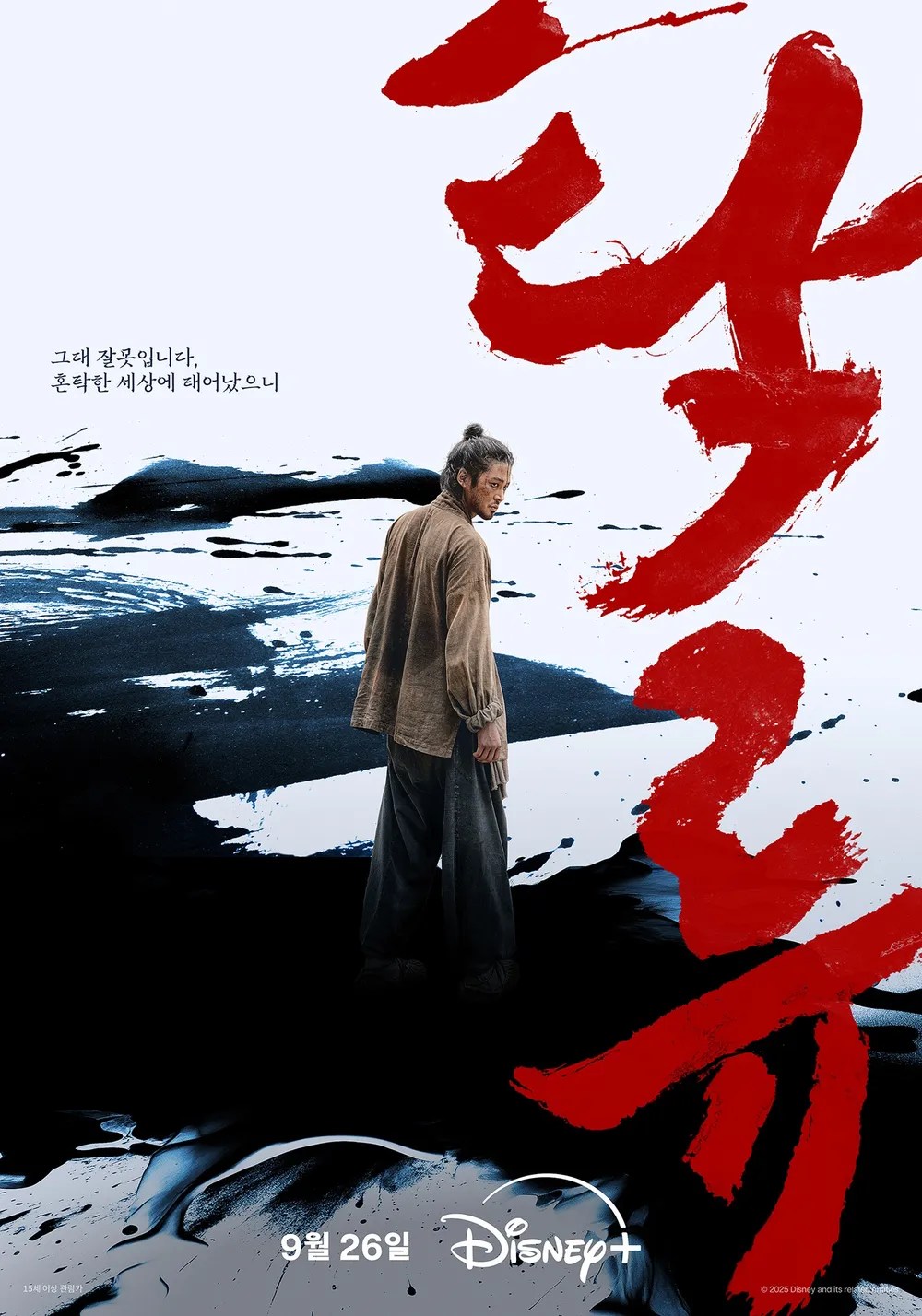
Korean Title: 미지의 서울
Aired in: 2025 (9 episodes)
Channel: Disney+, Hulu
Grade: 10/10
Actors: Rowoon, Shin Ye Eun & Park Seo Ham
For more…


Rowoon:
– Extraordinary You
– The King’s Affection
– Tomorrow
– Destined with You
Shin Ye Eun:
– More than Friends
– Revenge of Others
– The Glory
– A Hundred Memories
Historical drama with merchants & power struggles:
– Dear Hongrang
Overview
Synopsis
In a corrupt Joseon, the fates of three individuals converge around the Gyeonggang River, where all of Joseon’s money and goods pass through. Jang Shi Yul is a good-for-nothing man, who hides his past. Choi Eun is a righteous merchant and Jung Chun is an upright government official.
My Opinion (No Spoiler)
I’m very satisfied to see a historical drama that, for once, explores dark themes about common people. We usually have palace intrigues related to the royal family. These are nice, but I’ve rarely seen a show about merchants, dock workers, bandits and corrupt government officials. Just for that, The Murky Stream deserves your attention. The plot is well woven, oscillating from fight scenes and corrupt schemings. Bandits are organized like a mafia and have power over rivers that is considered as the main commerce/trade road. I liked the association between the flow of the river and the flow of money, both corrupt and bloody in the drama. Characters are compelling with interesting backgrounds that all fit within the overarching narrative. Jang Si Yul is, by far, the best of them all. His life, past, intentions, motivations are super clear. We empathize and root for him. Not to mention Rowoon’s spectacular acting performance. I really think that’s his best role ever. He’s so credible! Best part is that he only has a few lines. So, everything he delivers is through gestures, body language and his eyes. The cinematography is impeccable, emphasizing on the harshness of people, the immensity of nature and the cruelty of fate. I highly recommend you take a look at The Murky Stream, it’s really worth the watch.
Analysis
- Historical context
A corrupt Joseon
An original historical drama
An organized mafia - The murky stream
The rivers
The flow of money
The map, symbol of hope - Characters
Jang Si Yul, ‘life is a nightmare’
The revenge, blood for blood
Choi Eun, the rising merchant
Mu Deok, the coward
Jung Chun, sacrifice for the cause - Second season
- Rowoon’s performance
- Cinematography
Historical context: The drama takes place during the Joseon era around Gyeonggang which was a portion of the Han River used as the main gateway to the capital. Gyeonggang was made up of several ports that allowed merchants to export/import goods and either sell them on the mainland or dispatch them abroad. The Murky Stream focuses on the most buzzing area of the river called Maponaru. There, merchants, laborers and ruffians gather drawn by profit. This location is strategic and extremely coveted, as its control would give power and authority over commercial routes to its owner. Bandits have understood this and thus leverage on their presence in Mapo to extort money from merchants. As for laborers, they flock to the harbor, hoping to earn money. But they are exploited by bandits as well, who take advantage of their work to collect taxes. On a broader scale, the drama refers to a people named Jurchen several times. These invaders are responsible for the death of Jang Si Yul’s (Rowoon) mother. Historically, this northeastern Asian people (renamed the Manchus in 1635) and the Korean peninsula have been at ‘wars’ from the 10th to the 17th century. Goryeo, and then Joseon, experienced many bordering conflicts and suffered from two major events: the Goryeo-Khitan War (10th/11th century) and the Mongol Invasions (13th century). The final episode of the show mentions that a war has started with the barbarians which could help us situate the action during the 17th century. That period would indeed be concomitant with the Later Jin Invasion (1627) and the Qing Invasion (1636).
A corrupt Joseon: The Han river is murky, as highlighted by the title of the drama. It echoes the corruption that runs rampant in Joseon. Merchants are forced to pay ridiculous taxes to bandits (torch charge, fast-track charge, rain charge,…), if they want to pass through the port. This extortion takes a toll on their affairs, as they can never be certain whether their goods will be unloaded at the port or not. It puts their business at risk and threatens their existence, especially if they get on the bandits’ bad side. That’s what happens to Choi Eun (Shin Ye Eun) when she takes over the guild. She’s baffled by the ways of working and wants to put an end to the masquerade. She’s rapidly met by resistance from the bandits and forced to give in. Laborers are essential to the good functioning of the port. Yet, they are the most exploited due to their low status and lack of political power. Every time a boat approaches, dock workers fight for a chance to work. After hours of labor under the scorching sun, they receive their pay (rice) from bandits who cut their portion in half. Laborers like Si Yul are hyper-taxed and don’t stand a chance against the system. The worst part of it is that this situation is not inherent to the ports. Ruffians have a hand over all activities. There’s thus no escape from taxes! In that scenario, bandits could be misunderstood as the bad guys. However, the drama depicts them as ordinary men who suffered from the injustice of the system as well. To rise out of their condition, they had to walk over others. Deok Gae (Choi Young Woo) and Park Mu Deok’s (Park Ji Hwan) encounter is proof of that. Both were laborers until Deok Gae rebelled one day, helped by a fearful Mu Deok. That’s how they turned a new leaf. Later on, Si Yul joins the ruffians. He goes through the looking glass and allows viewers to see bandits as good people forced to do wrong to fend for themselves. So, if all groups are victims of the system, then where does the corruption stem from? Well, as always: Royalty and high-ranking officials. To understand the flow of corruption, you just need to trace back the stream of power. The drama is built on a hierarchy of authority, emphasizing that royalty (those at the top) is responsible for the misery of the peasants at the bottom. That’s why uprooting corruption is so hard, even for honest and upright officials like Yu Tae Seok (Choi Won Young) and Jung Chun (Park Seo Ham). This would mean challenging monarchy itself.
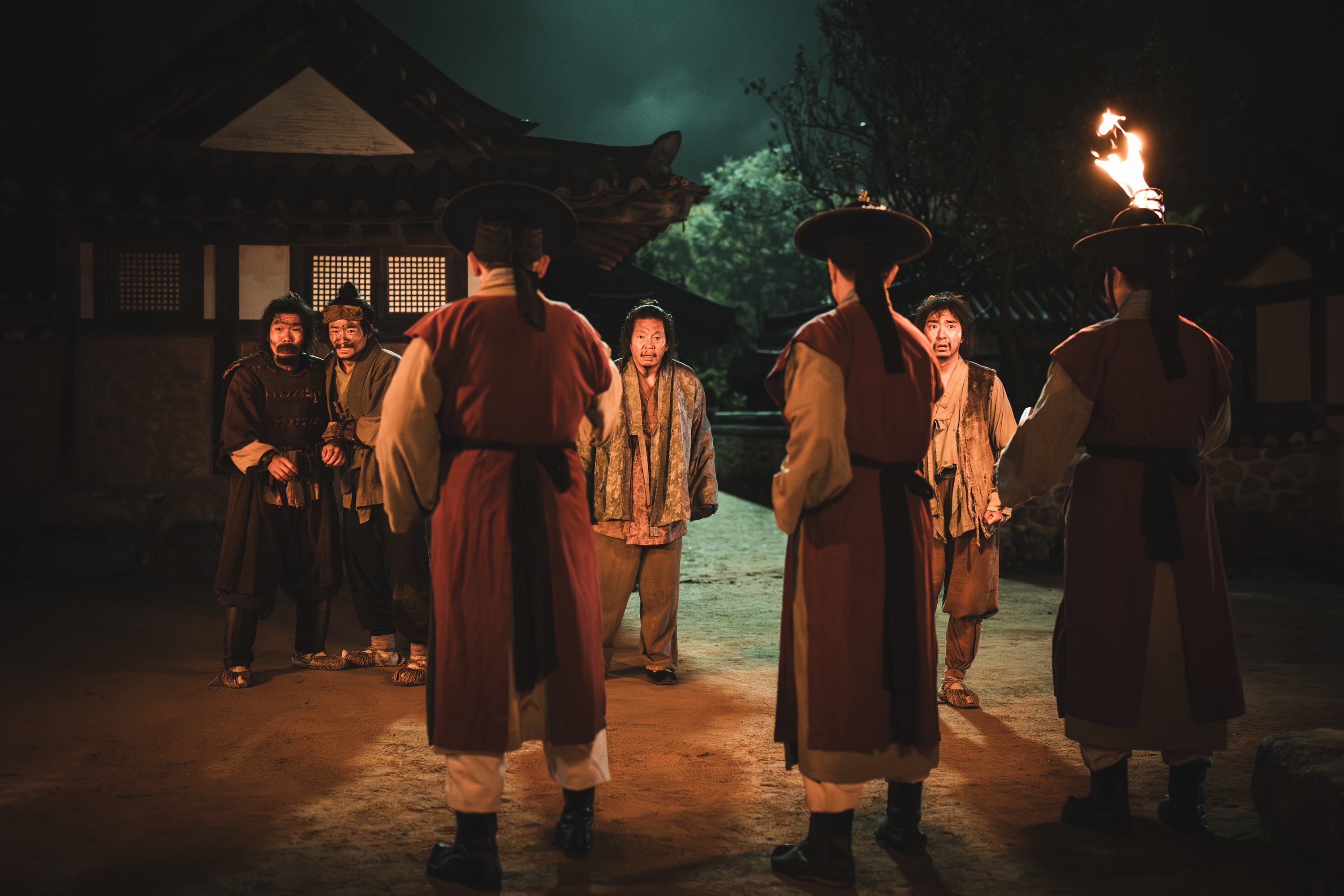
An original historical drama: The Murky Stream differentiates itself from other historical dramas by its original plot. Here, the hero is not a royal, entangled in revenge schemes or manipulated by his corrupt officials. Instead, the drama offers to view the world through the lenses of an ordinary man outside the palace walls. It gives a realistic representation of the living conditions at that time and highlights the struggles of commoners crushed by the system, exploited by the strongest, and powerless in the face of unfair justice and greed. Jang Si Yul always dreamed of becoming an official to help others. But he was robbed of his dream due to his poor background and tragic past. He then had to find ways to survive, even if it was immoral. Bandits follow a similar path. Dock laborers are starving and unable to make a decent living due to taxes. Officials are enjoying absolute power and wealth. They also don’t hesitate to crush the weaker ones in order to keep their status. They use bandits for their own interests, but also answer to higher powers they fear. I believe the drama did an excellent job at depicting these troubled times with accuracy, credibility and authenticity. It’s quite refreshing to have the perspective of ordinary people rather than the usual palace intrigue plot.
An organized mafia: Power is at the core of the drama. It follows a strict hierarchy funded on status and money, just like the mafia in our current days. At the bottom of the pyramid, you have bandits. They are split by territories around the river. Each area answers to its own boss who himself answers to someone up above. Ruffians do the dirty work. They exploit laborers, collect taxes, keep people in line using fear and terror. They don’t hesitate to beat people up, intimidate, and sometimes kill. Bandits also abide by their own code of honor. They are loyal to their clan, their boss and their brothers. If you take Mu Deok and his team for instance, they have been through thick and thin together. They consider each other as family and would die to protect their sworn brother – like it’s the case for Mal Bok (Ahn Seung Kyun). Despite disputes between members of the same clan, all bandits obey and respect their boss. In Maponaru, Deok Gae is the head of the ruffians. They all fear and respect him, setting aside their pride and personal conflicts to obey him. Though bandits exert control over their own territories, they must pledge allegiance to corrupt officials like Deol Gae. The government workers protect bandits when arrested, hide their misdeeds, and get rid of problems. By keeping a blind eye, they protect their business and enrich themselves in the process. Officials are the middlemen, controlling the bandits and taking the fall for the ultimate mafia boss: royals. At the top of the pyramid, the most powerful entities exert their authority. Their main objective is to manipulate politics and eventually take control over the King. Ministers and even family members of the King scheme to gain influence at court. The system is so opaque that it’s hard to uproot corruption. Removing one official doesn’t do the trick, as he’s rapidly replaced by another greedy one. That’s shown at the end of the drama with the death of Deol Gae. Someone else quickly takes over his position. Righteous people like Jung Chun who believe in honesty and justice don’t stand a chance against an army of money-hungry peers. Without backing, proof disappear and people vanish, burying the truth with them.
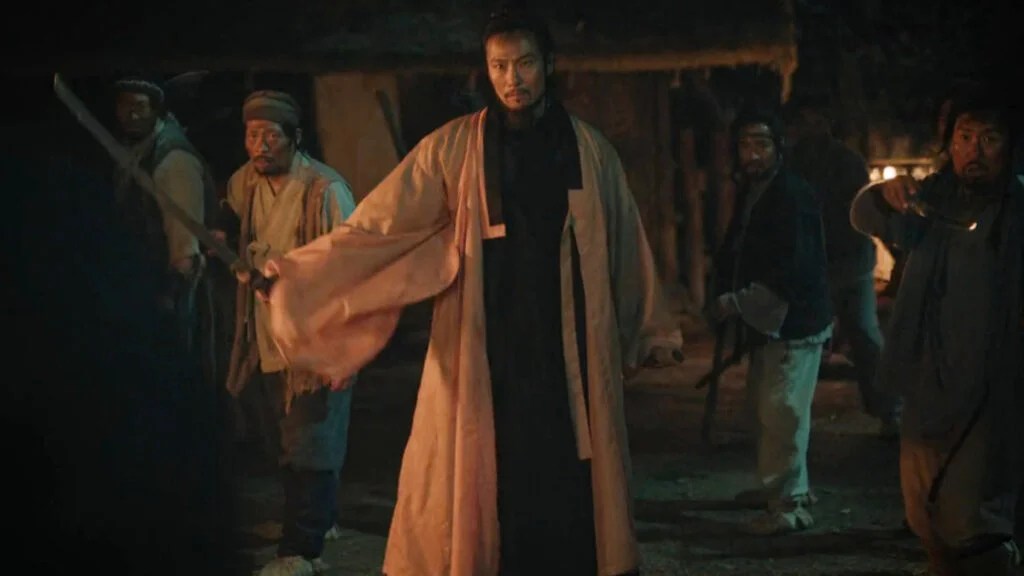
The murky stream: There is an obvious link in the drama between the murky river and the corrupt flow of money, as much as a connection between the stream and power and information.
The rivers: If you control the maritime roads, you control commerce and merchants, the distribution of goods throughout the country and you can thus, on a larger scale, influence the politics of the nation. For example, bandits decide to block the roads to Choi Eun’s family, so that they can’t sell salt to the capital and the surrounding towns. This creates a shortage on this scarce good, leading to inflation and civil riots. By preventing merchants to trade salt in the North, powerful officials and ministers can leverage on people’s frustration and anger to influence politics and make demands.
The flow of money: As mentioned in the drama, control over the river and trade roads is equivalent to control over money. Ruffians and officials leverage on their power and authority on commerce roads in order to convey information (fake news included), favor or block the distribution of goods, enrich themselves by selling scarce products at high prices in the capital. The flow of money is also associated with wars, corruption and death. If you open the road to an enemy, peasants will pay the price of the invasion; if you attack trade roads and alter the natural course of commerce, poor people will suffer from famine and riots.
The map, symbol of hope: The control over streams and major roads can only be possible because high-ranking individuals have knowledge on these crucial axes. This intel puts the rest of the country at risk, as they have no way to anticipate potential threats. That’s when Yu Tae Seok (Choi Won Young) comes into play. Though he’s part of the royal family, he’s driven by an ideal: to create one single map that contains roads, farms, flows of distribution and all the necessary information about the country, its economy and terrain. To this day, Joseon only has specific maps focused on particular themes. Yu Tae Seok spent years gathering all of them and is now on the verge of fulfilling his life-long dream. By doing so, he hopes to create a better Joseon where wars can’t be stopped and knowledge put to good use for the people. Unfortunately, greedy individuals covet the map for their own interests too. They want to use it to assert their total control over the nation. In the end, Choi Eun receives the map from her father. Her family and guild are destroyed in the process, but she successfully hides the map and escapes officials, ruffians and power-hungry royals. The map is a symbol of hope as much as it is yet another threat to the stability of the country. In the hands of the wrong people, it could lead to a coup or worse.
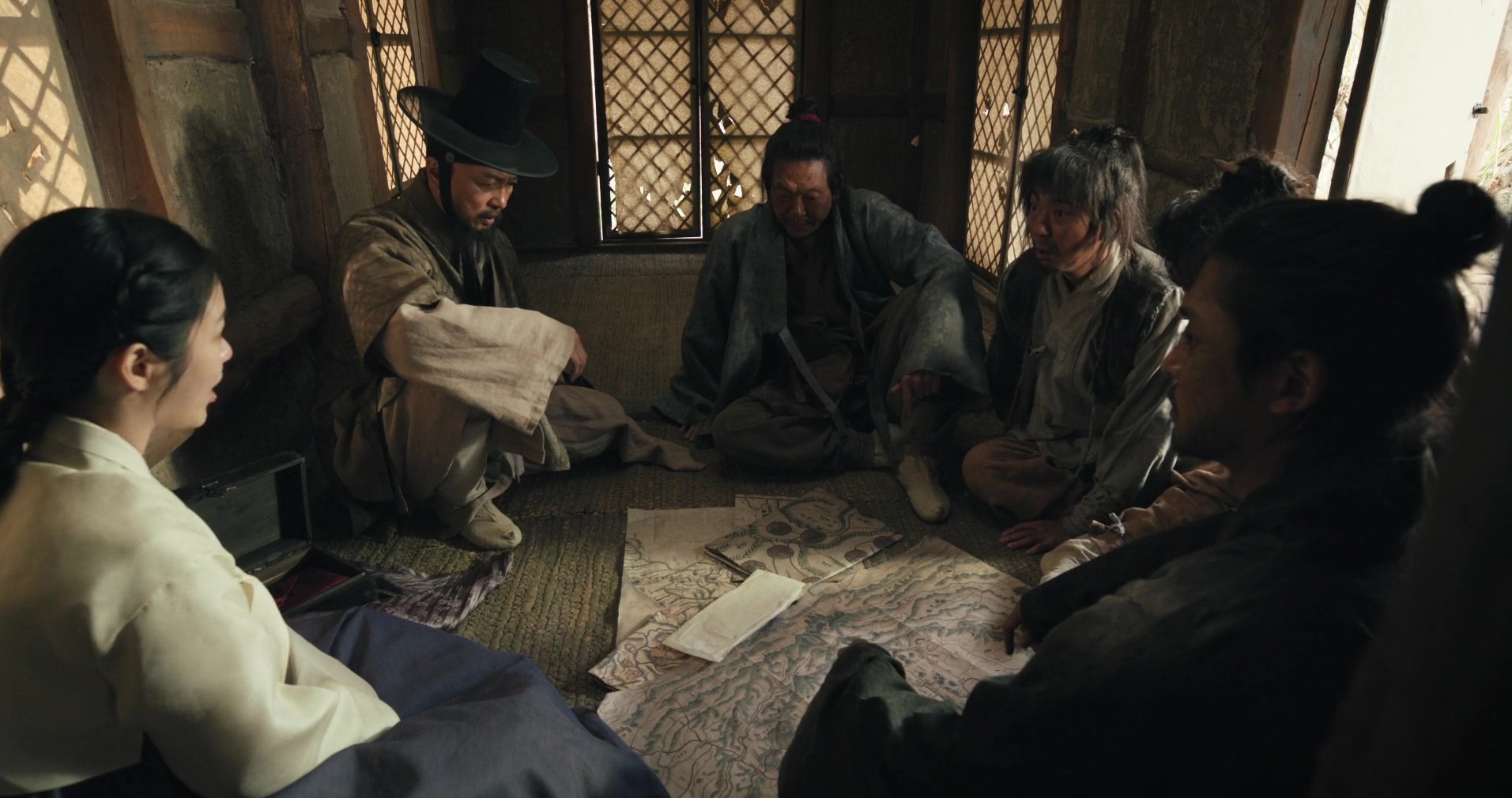
Characters: There are 3 main categories of characters, each standing for its social class and ideals. Interestingly, main characters all find their life purpose following the events at Maponaru.
Jang Si Yul, ‘life is a nightmare’: Life has never been a walk in the park for Si Yul. He’s an honest and upright individual whose future has always been hindered by his past. As a child, he lost his mother to the Jurchens. She was murdered before his eyes and he imprinted the face of her killer in his head forever. He was rescued by Jung Chun and his mother. They grew up as brothers who dreamed to become officials and change the world. Unfortunately, Jang Si Yul was forbidden from taking the civil exam due to his background. So, he left and wandered around. This led him to become a dock worker at Maponaru. Si Yul is a solitary soul who’s lost his purpose. He doesn’t find any meaning in life and is even refused death. He withdrew into silence, never partook in conflicts and tried to stay away from other people’s business. His stature and strength catch the eyes of Mu Deok who wants to recruit it as a ‘bodyguard’. He also sees righteousness and honesty in Si Yul. Though their relationship starts off on the wrong foot, Si Yul grows attached to Mu Deok and his team. He’s found a new family that he can also keep in check. He’s the one forcing them to abolish taxes and to treat laborers better. On his small scale, Si Yul discovers that he can make a difference. He’s a man of honor and of his words. Once he’s adhered to the ruffian clan, he never once betrays them and protects his brothers. Life becomes hellish again when Walwal is killed by Wang Hae – Si Yul’s archenemy – and Jung Chun dies at the hand of the same man. After avenging them, Si Yul becomes a recluse again and leaves, considering that every person he’s ever been close to ends up dead. However, Si Yul has revived his ideals at the end of the show. He’s found a new purpose: to become a soldier and to climb the military ladder at the front.
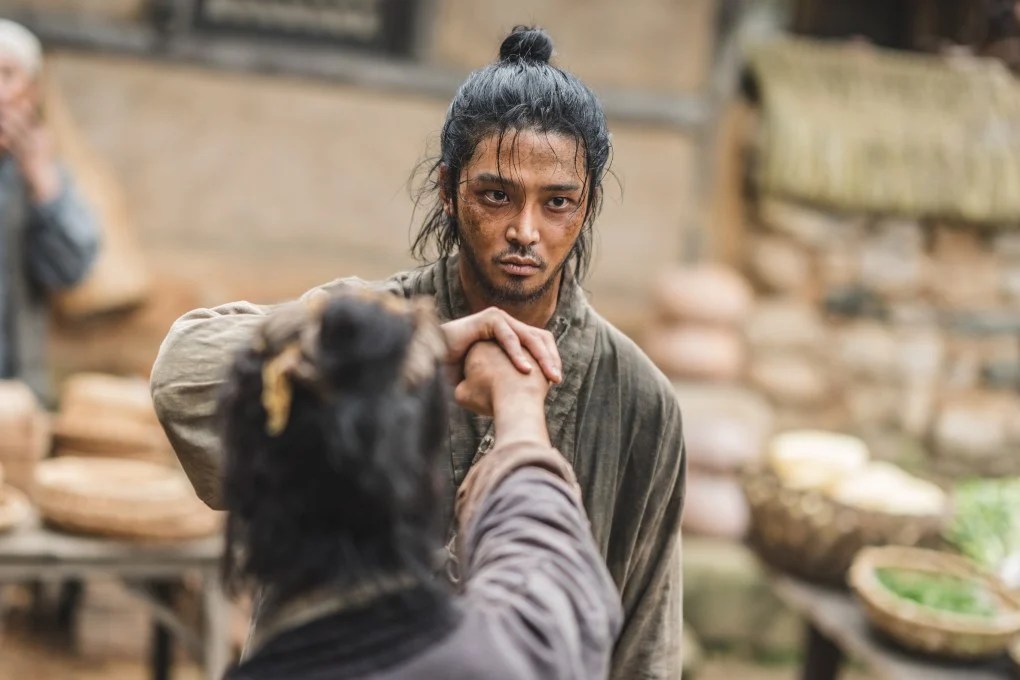
The revenge, blood for blood: Jang Si Yul may be an empty shell at first, but his soul awakens when Wang Hae makes a sudden appearance in his life. That’s the opportunity he was waiting for to get his revenge for his mother, his friend Walwal and his brother Jung Chun, all killed by that same antagonist. Enraged, Si Yul picks up a sword and annihilates Wang Hae and his group. All his martial training eventually came in handy and revealed their purpose at the end of the show. Blood for blood, that’s how Si Yul comes back to life.
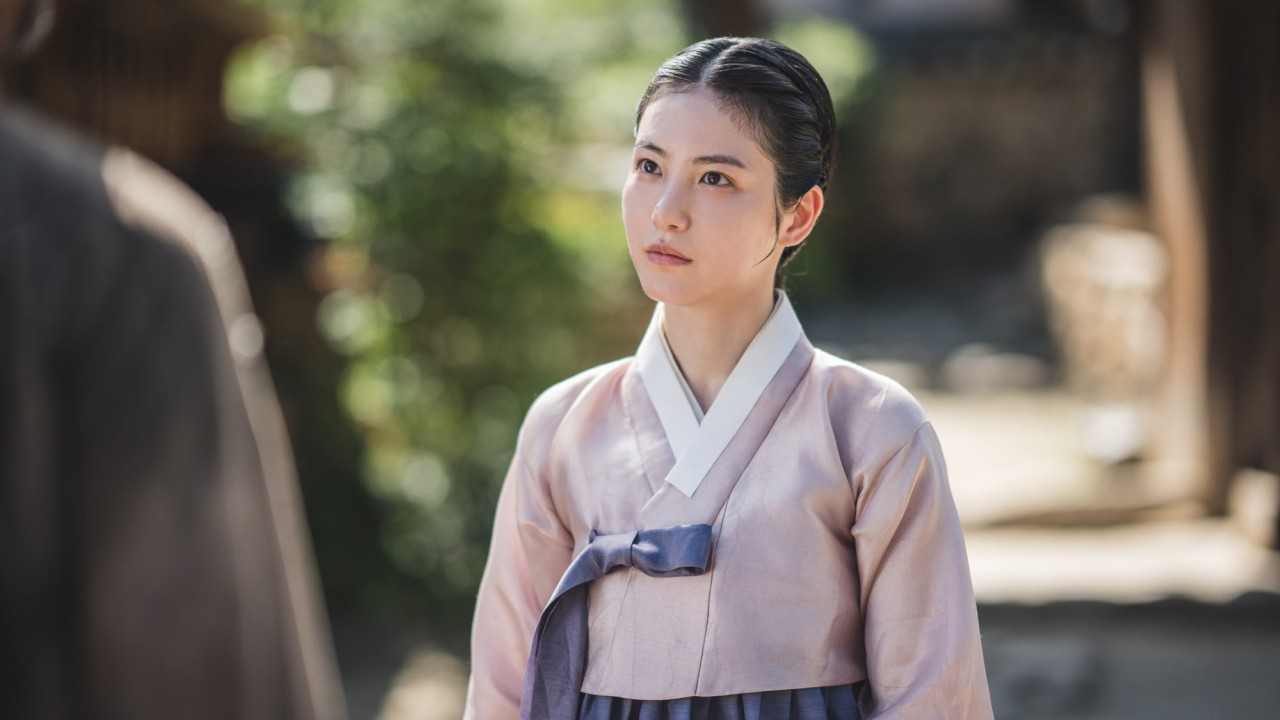
Choi Eun, the rising merchant: Choi Eun is the young daughter of a rich merchant. She knows business, how to trade and dreams of taking the guild over. Though her father is against it, she convinces him with her skills and brilliance. Her beginnings at the head of the merchant group are difficult. Choi Eun is an upright person – quality that she shares with Si Yul – and refuses to bend to bandits’ unfair laws. Through trials and errors, Choi Eun learns diplomacy and fine-tunes her political game. At first, she’s like an empty glass full of prejudice and blinded by her ideals. She only sees the world in black and white. Hence, her numerous confrontations with Si Yul. Little by little, she understands that the world is grey, dangerous and full of ambiguities. Jang Si Yul also opens her eyes by rescuing her several times. She learns to trust him and even considers him a decent man. I’m also thinking she has developed feelings for him. Choi Eun grows as a person and a merchant because of circumstances. Si Yul teaches her how to go beyond her prejudice when it comes to people, and her father’s ordeal with the map forces her to turn resilient, determined, and resourceful. She’s the sole protector of the map and has found her purpose – just like Si Yul.
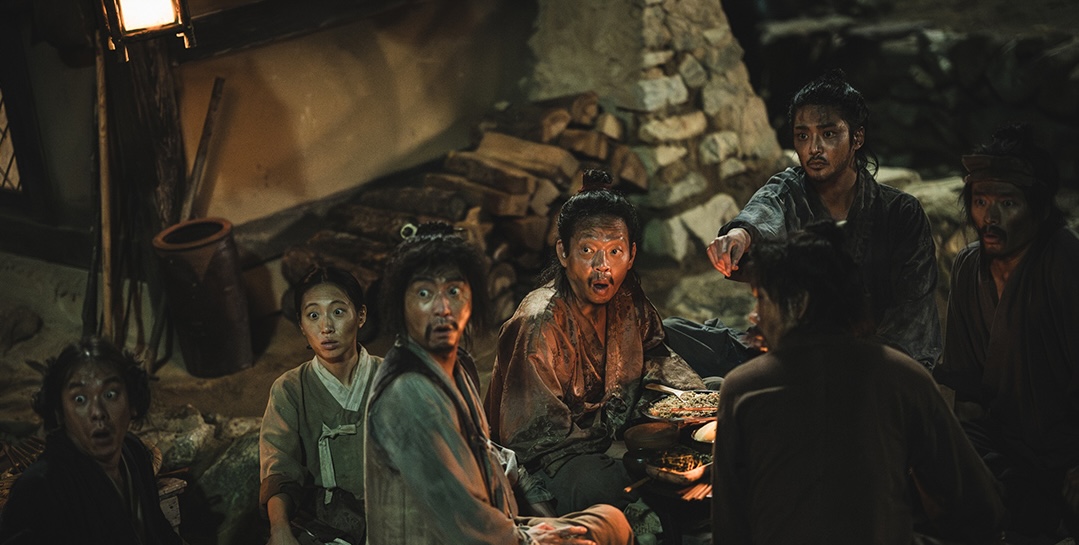
Mu Deok, the coward: Park Mu Deok is the perfect representation of cowardice. He becomes the hand of his bandit family by glamorizing his past action alongside Deok Gae. In reality, he abandoned him and fled for his life. Nevertheless, Mu Deok rose to his position on his own and protected it with his body. He’s not afraid to bend, be scorned, disregarded, ill-treated by his peers, if it means protecting what he cares for. Though he appears to be a bad character at the beginning, he proves to be otherwise. His main focus is to protect his wife and bandit brothers. He’d do anything, even if this means selling Choi Eun to the officials and betraying Si Yul. But the latter is quick-witted and knows Mu Deok’s personality. So, he uses his cowardice against him and saves the day. I liked that Mu Deok was a bit more complex than expected. He started his journey by threatening Si Yul to make him obey his orders. However, he grew into a ‘paternal’ figure who’s trying his best to survive and protect others – like everybody else would do.
Jung Chun, sacrifice for the cause: Jung Chun is the least complex character of the show. He’s animated by his ideals. He dreams of being a righteous officer and to protect the poor and powerless. He’s justice embodied, but fails to understand the complex dynamics of the system he lives in. This causes his death at the end, even if he dies a hero. Moved by his desire to make the world a better place, he joins hands with Yu Tae Seok to assemble the map. He pledges allegiance to the cause and protects it with his life. He’s the one who saves Choi Eun (and the map) from Wang Hae. Jung Chun was only looking for a purpose in his life and Tae Seok gave it to him. That’s why, he died without regrets for the cause he believed in.
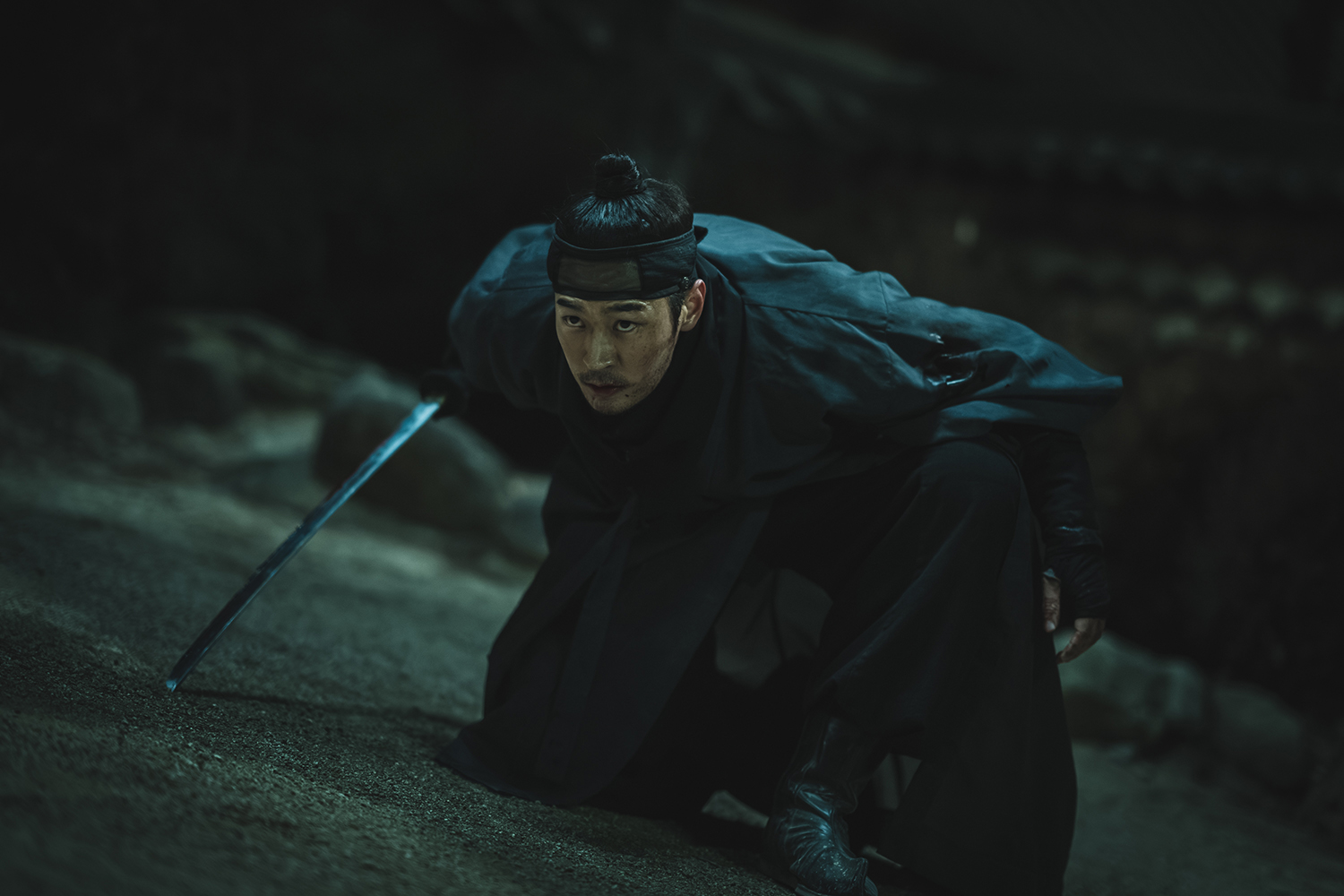
Second season: At the end of the drama, Lee Dol Gae has been killed and replaced. The royal puppeteer behind Dol Gae remains unknown. Choi Eun has managed to escape Mapo from the royals and officials desperately looking for the map in her possession. Si Yul has lost his brother and only friend, Jung Chun, and avenged him by killing Wang Hae. But he doesn’t want to endanger the remaining members of his bandit group, so he leaves for the border. There, he discovers that the war against the invaders (the Jurchen) has been declared. The drama ends on a close-up on the male lead, alone and staring at the horizon towards the war. All of these events suggest that the drama will come back for a second season. What happens to Si Yul? Will he go to war? What about Choi Eun? Will they cross paths again? What’s the identity of the royal family member? Some more troubles are definitely to come.
Rowoon’s performance: I was wowed by Rowoon’s performance in this drama. I seriously think this is THE best role he’s played so far! He had very few lines, so his acting essentially relied on his eyes and his body language. His silence gave him charisma and strength. His eyes were the ones talking to characters and viewers. I could read his emotions by simply looking at his long stare, defying eyes, and softened look. And don’t get me started on his body – he’s flawlessly fit! I’m very glad he got to embody Si Yul before his military service. He leaves a beautiful performance behind which makes me so eager to see him back.
Cinematography: I’m not one bit disappointed by the show. The excellent plot is supported by a stunning cinematography that took my breath away. The landscapes (especially at the end) are just beautiful. The play on lights, the close-ups, the colors, the fight scenes, everything is just perfectly directed. The drama is a visual masterpiece!
 Once Upon a Drama