Presentation
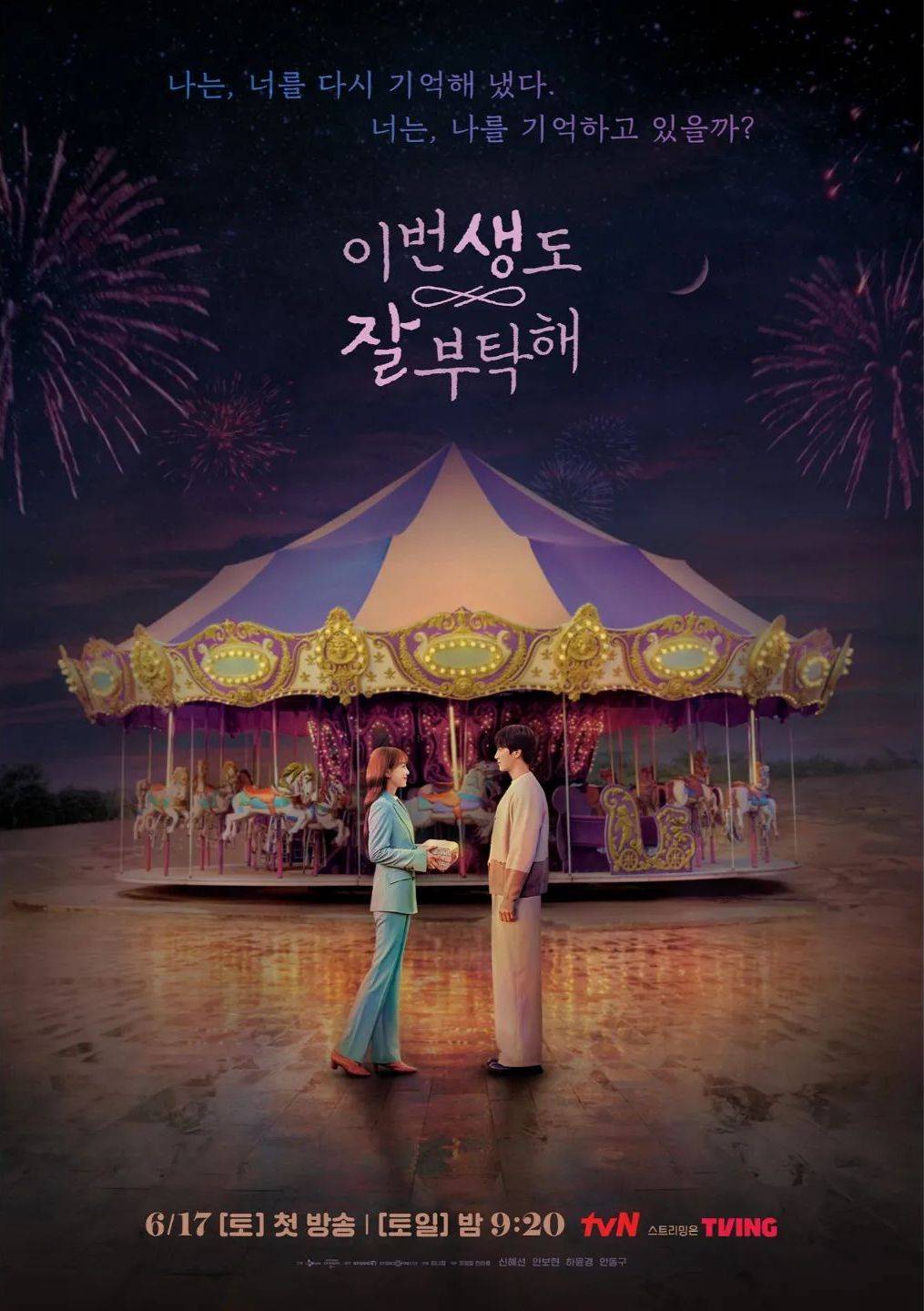
Korean Title: 이번 생도 잘 부탁해
Aired in: 2023 (12 episodes)
Channel: tvN
Grade: 10/10
Actors: Shin Hye Sun, Ahn Bo Hyun, Yoon Ha Kyung & Ahn Dong Goo
For more…
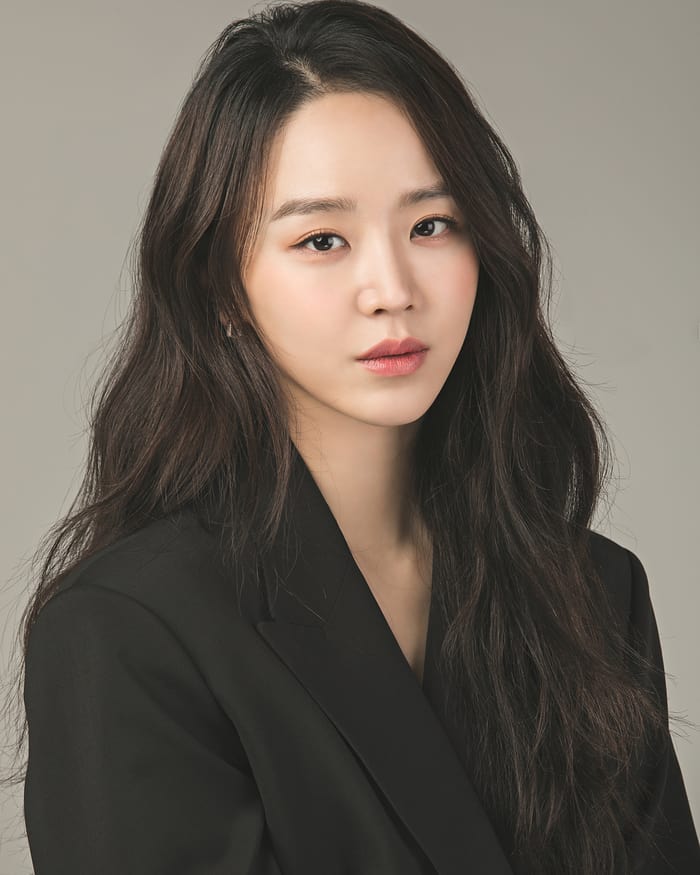

Shin Hye Sun:
– My Golden Life
– Angel’s Last Mission: Love
– Thirty Not Seventeen
– Mr Queen
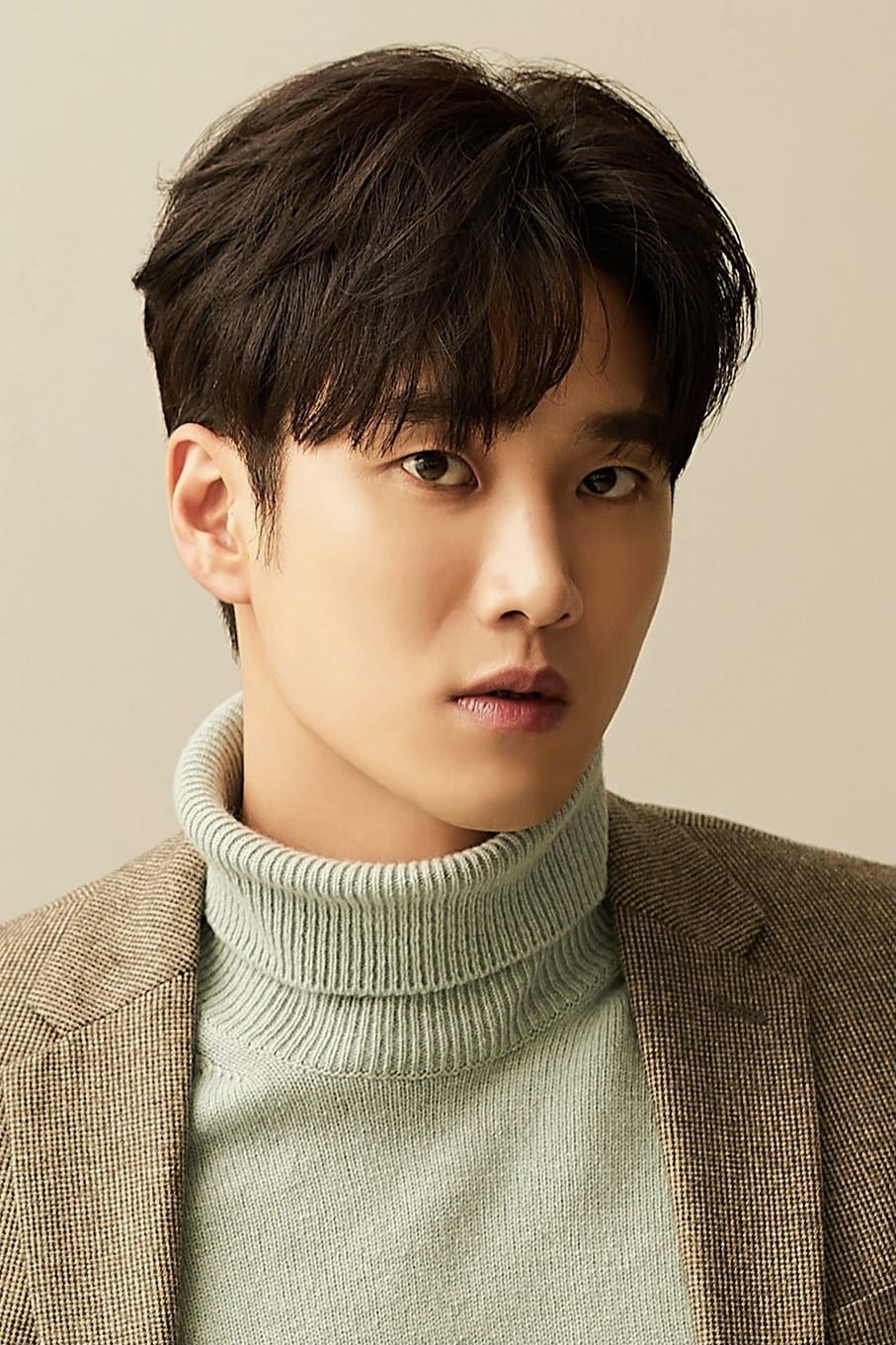
Ahn Bo Hyun:
– Itaewon Class
– Kairos
– My Name
– Military Prosecutor Doberman
K-Dramas directed by Lee Na Jeong:
– Mine
– Oh My Venus
– Fight for My Way
– Love Alarm
Preview
Synopsis
Ban Ji Eum is a young woman who can remember her past lives. In her previous one, she met Mun Seo Ha, but she tragically died in an accident. Now in her 19th life, she tries to reunite with him.
My Opinion (No Spoiler)
See You in My 19th Life is such a flawless drama! Though characters are wounded and hurting, they still thrive towards happiness and wish to reunite (and remain) with their loved ones. Ban Ji Eum, played by an incredibly relatable Shin Hye Sun, overcomes the hurdles of life (or I should say of her lives) with dignity and kindness. As for Mun Seo Ha, he’s simply the greenest of green flags. Despite everything’s he’s been through, he’s still true to himself, his feelings and his lover. The side romance with Do Yoon and Cho Won was also super cute. But the leads’ one is THE best. The ending couldn’t have been better and more on-point. It made so much sense! Finally, not a single scene is useless (especially those regarding Ji Eum’s past lives), and the plot is perfectly supported by the beautiful direction and cinematography. I highly recommend this gem, you won’t be disappointed. But you may want to prepare some tissues.
Analysis
- Characters
Ban Ji Eum
Mun Seo Ha
Yoon Cho Won
Ha Do Yoon - Intertwined timelines
First 4 past lives
Other past lives - Romances
- Meanings and symbols
The bell
The couple rings
Water
Nature
Running away - Direction, cinematography and acting performance
- The ending
Characters:
Ban Ji Eum: Ban Ji Eum (Shin Hye Sun) is an ordinary 24-year old woman at first glance. Ever since she was little; she has demonstrated a variety of abilities (flamenco, historical knowledge, music…) to the point that she appeared in a reality show and was name the ‘Girl of all-trades’. Ji Eum’s upbringing in her 19th life is however quite miserable. Her father is a drunkard who would beat his wife and children up. Incapable of taking any more beatings, her mother abandoned them. Ji Eum’s talents were exploited by her family (father and older brother), who would constantly steal her money. Despite all that, Ban Ji Eum grew up with one life goal: To reunite with her first love she met in her 18th life. With that in mind she escaped her miserable household and re-connected with Kim Ae Kyung (Cha Chung Hwa) who was her niece in her 17th life. The latter raised her with the same love and affection her former uncle showed to her younger self. Despite her tough childhood and the several traumas of her past lives, Ji Eum is a bright woman. She tries to move on from her numerous wounds – showing sometimes a vulnerable and scarred side of her – but never let them dictate her future. Instead, she uses her learnings from the past to seek happiness for her future self. She is also very straightforward and determined. Her 18 previous lives taught her that timing is important, and that you shouldn’t procrastinate or hide your feelings.
Ban Ji Eum as Yoon Ju Won: Yoon Ju Won (Kim Si Ah) was the elder daughter of a wealthy family. She was kind and generous – though sometimes mysterious in her speeches. She had a younger sister she adored and a great relationship with her parents, especially her mother. She unexpectedly met Mun Seo Ha (Jeong Hyun Jun) and felt a direct connection with him. Their bond developed into a first love that tragically ended with a car accident. It caused Ju Won’s death and scarred Seo Ha for life (physically as he became deaf in the right ear, and psychologically). As her life was abruptly cut short and her love couldn’t bloom, Ji Eum is determined to right the wrongs of the past in her present life.
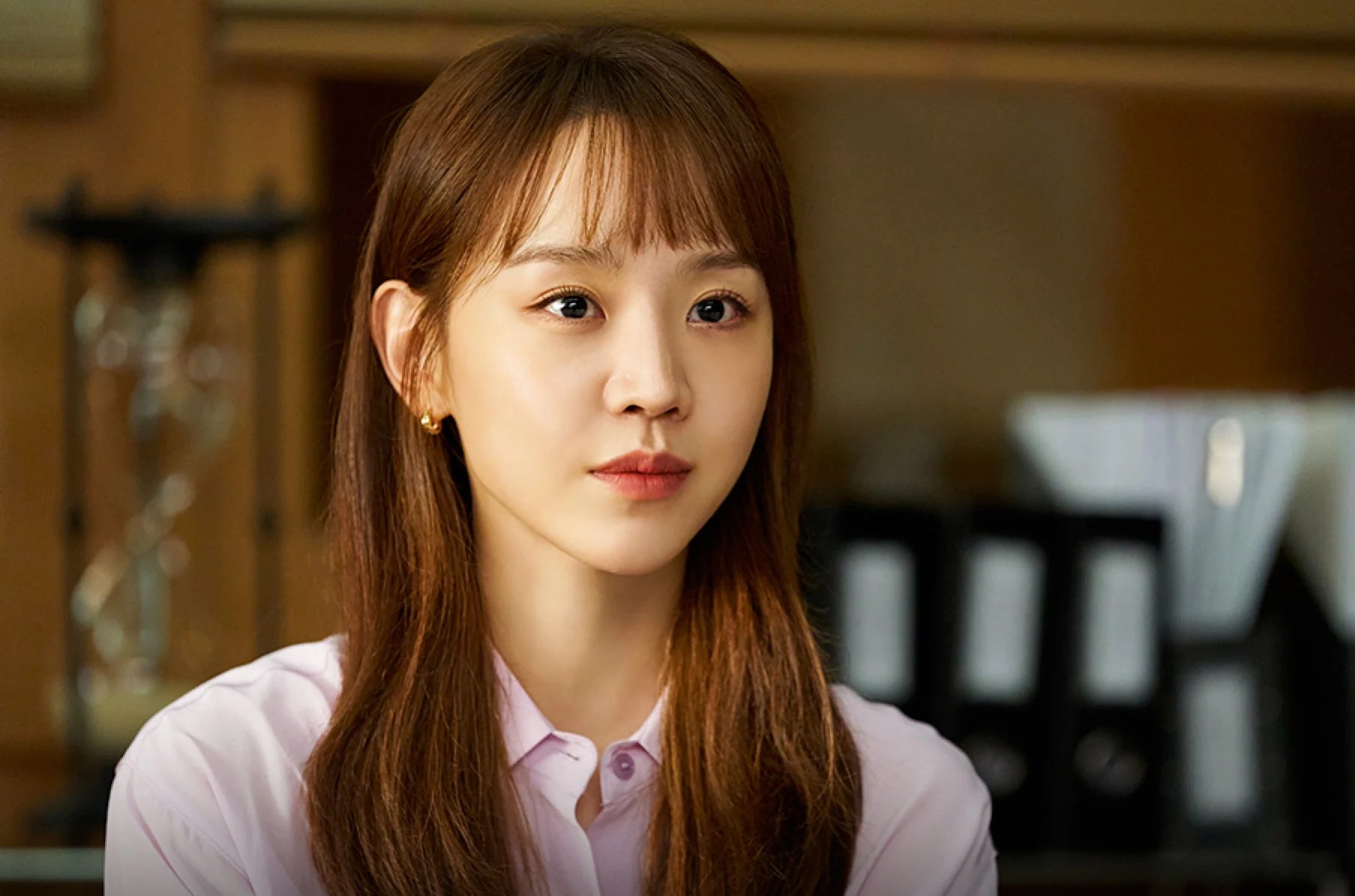
Mun Seo Ha: Mun Seo Ha (Ahn Bo Hyun) is the character who suffers the most in the drama. The loss of Ju Won left him grieving and full of guilt; adding to the pain of losing his mother to cancer. He blamed himself for his first love’s death which made him distant – if not solitary. Seo Ha tries to overcome his emotional turmoil on his own, but the wound is still wide open. He is stuck in the past and can’t move on to the point that even seeing Cho Won – Ju Won’s sister – is painful. On top of that, he has had a troubled relationship with his father ever since the death of his mother, and hates the woman who replaced her as CEO of his legacy aka MI Hotel. Mun Seo Ha leads a battle on several fronts: Against the usurper of the hotel, against his father, and against himself. The male lead’s suffering reaches its peak when he discovers that his alleged accident was an attempted murder from his beloved uncle. His father knew, but chose silence to protect his son. Thankfully, Seo Ha is no longer alone to deal with his pain and this discovery is a pivotal moment in the drama, as Ji Eum decides to confess her previous identity to bring him back.
Despite his constant ache, Mun Seo Ha was for me the greenest of flags. He’s understanding, kind, forgiving, never resentful and devoted. Once he has given his trust and love, he’s never swayed (in love or friendship). He walks through his pain and overcome it with dignity and pride.

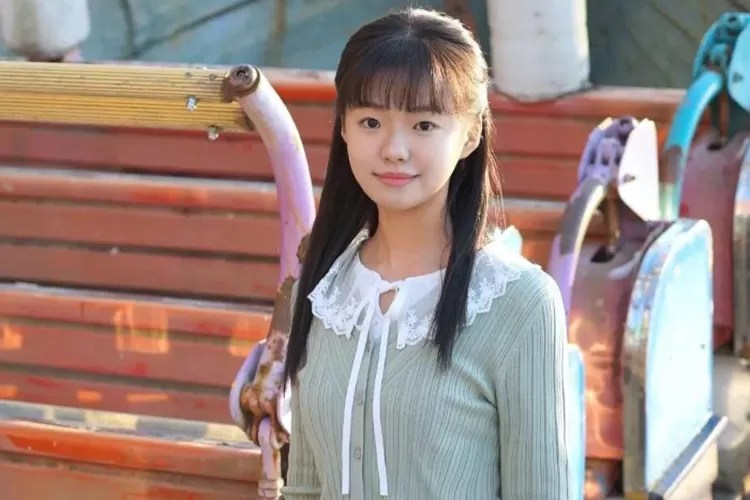
Yoon Cho Won: Ban Ji Eum’s sister Yoon Cho Won (Ha Yoon Kyung) is a kind and bright woman. She’s been profoundly scarred by the death of her older sister, but managed to move on over the years. Though she’s resented Seo Ha as a child, she quickly understood that he was an even bigger victim. Hence her will to help him overcome his trauma by pushing her way forward. Even if it doesn’t turn out to be the best method, Cho Won’s intentions are always pure and genuine. She’s determined and somewhat stubborn which is the reason why I appreciate her character so much. She doesn’t give in easily and tries her best until the very end. That’s exactly what happens in her pursue of Ha Do Yoon. Oblivious of what other wealthy people of her friend circle may say about Seo Ha’s secretary, she’s been harboring feelings for him for years. Her clumsiness in the way she confesses makes her very charming, and I honestly couldn’t help but root for her. Cho Won is also quite empathetic and optimistic. That’s why she can easily bond with Ji Eum despite them not being actually related. This woman is a ray of sunshine in the drama!
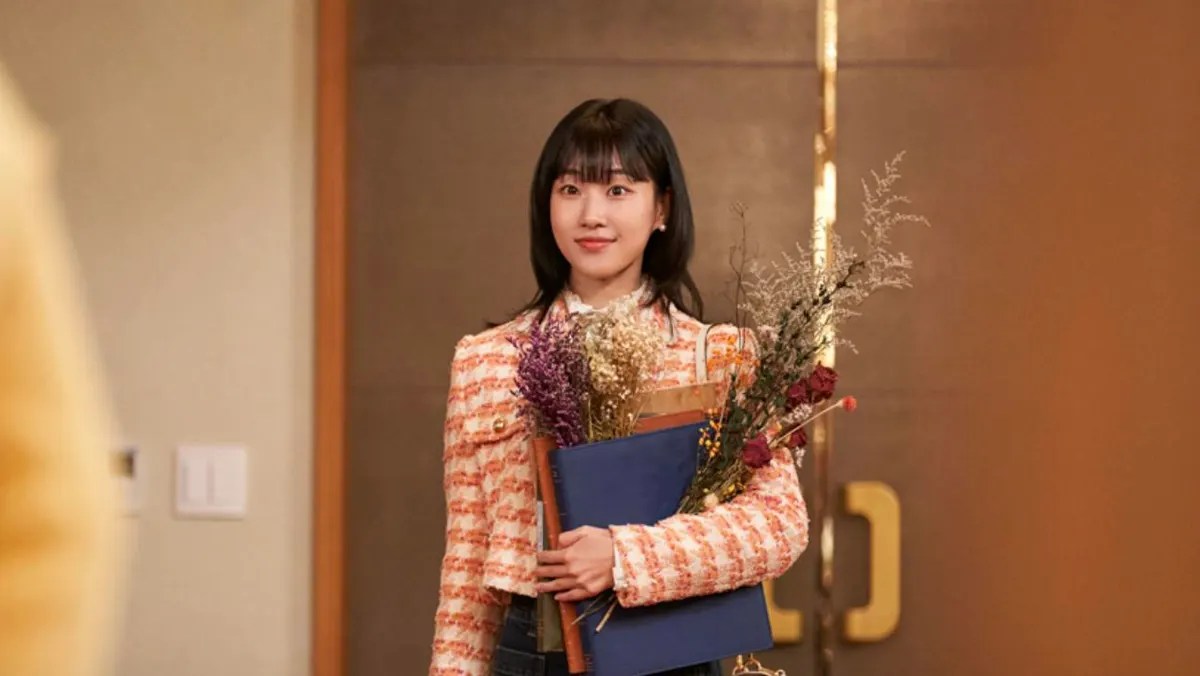
Ha Do Yoon: Mun Seo Ha’s secretary Ha Do Yoon (Ahn Dong Goo) is more of the taciturn type. He keeps everything to himself and takes care of his problems on his own. This is the result of him becoming the head of the family very early on, as his father died in the same car accident as Ji Eum. Since then, he’s learned to deal with his little brother, being looked down and humiliated by people, and to hide away his feelings. Even towards his best friend Seo Ha, he only confesses the entire truth about his past by the end of the drama. All in all, Do Yoon is an excellent friend, a forgiving victim, and amazing brother and as it turns out a devoted lover. Conscious of his lower social status and the rumors circulating about him, Do Yoon is not very keen on starting a relationship with Cho Won – out of fear of indirectly hurting her and her reputation. Yet, he has an awakening when he realizes he may lose her for good without having even tried. He opens up to her and unveils another side of him: Warmer and even more gentle.

Intertwined timelines: The script of the drama is a pure masterpiece. From the get-go we know that Ban Ji Eum has lived 18 lives already. This could’ve been just a detail, and the story could’ve focused solely on the current/2 previous timelines. However, it does nothing as such. Instead, the beginning of each episode shows a glimpse of one of Ji Eum’s lives and connects it with the rest of the story. Whether it’d be through people, emotions, actions, or external circumstances, each life supports and/or explains what happens in the present.
As Su (1st life): This is when it all started. Su – Ji Eum – stole a shamanic bell from a Cheon Un – Min Gi – to buy medication for her sick sister Seol – Cho Won. While escaping, Cheon Un killed Seol. Su tried to avenge herself, but stabbed Han Ya – Seo Ha – instead before receiving an arrow. Drawing her last breath, she cursed herself and promised she wouldn’t forget this moment. That’s why she remembers her past lives, but also what explains her connection to Seo Ha and the other characters.
As a baby girl (2nd life): Ji Eum’s oldest memory is that of her as a young child and her then mother combing her hair. After she was reincarnated in another body, she tried to reunite with her mother. However, the latter didn’t believe her and threw her out of her house. This life sheds light on Ji Eum’s relationships with her mothers throughout her lives and also explains her reluctance to admit she remembers her past lives. Indeed, the consequences are sometimes hard to suffer.
As a young boy (3rd life): We don’t know much about this life, apart that Ji Eum was a young boy struggling in life and got rejected by his previous mother.
As an Arabic man (4th life): During the 10th century, Ji Eum was an Arabic man who distilled arrack which became our modern-day soju. Today, she still speaks Arabic and uses it as a way to impress Seo Ha and join his hotel staff.
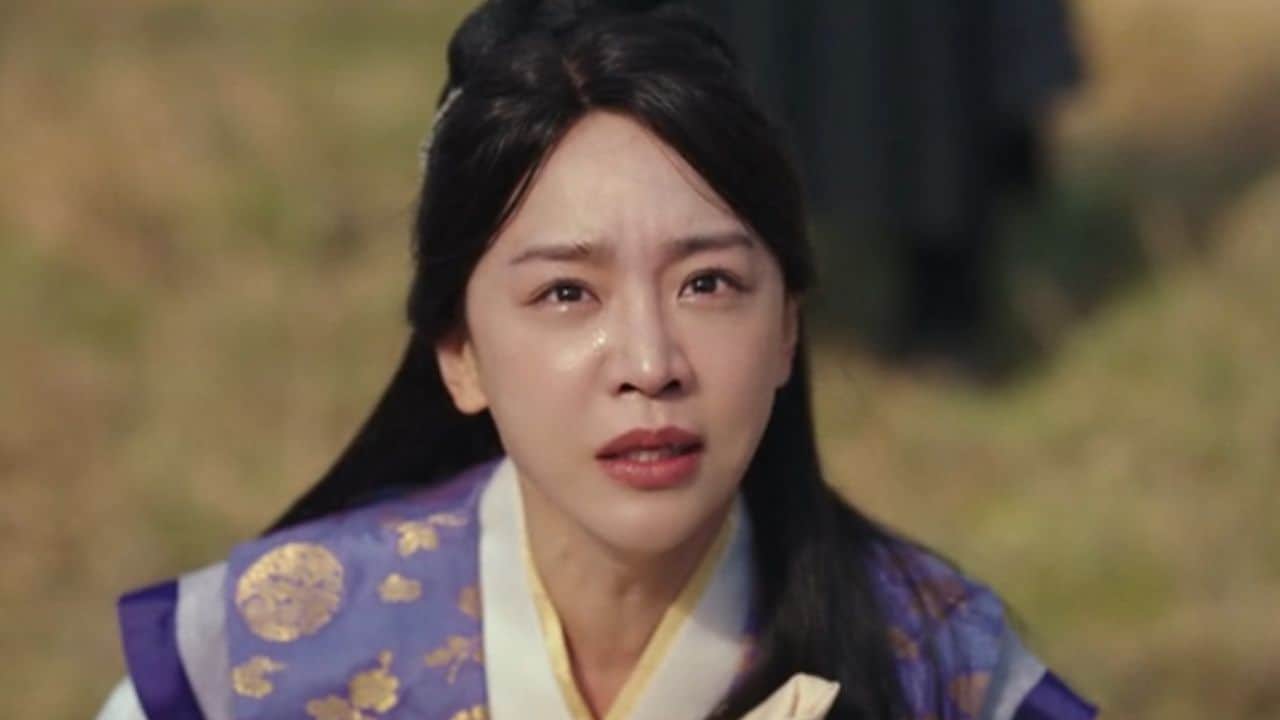
As ‘Heidi’: This past life appears only once in the drama, as we see a young girl on a tree melancholically looking at the moon. She seems to be somewhat German or Austrian, as proven by her clothes. Yet, her origin is not 100% confirmed. That being said, ‘Heidi’ (that’s how I will call her) is a representation of Ban Ji Eum’s intense feelings associated with nostalgia, melancholia and a bit of human angst. Indeed, she doesn’t know why she remembers the past and wishes at the same time to put an end to 1000 years of longing and suffering.
As a peddler: This life echoes Ji Eum’s solitary existence, as she covered great distances – sometimes on her own – to reach her destination. These long journeys also reflect Ji Eum’s soul that wanders for a 1000 years before being freed from its curse.
As a war general: This life taught Ji Eum how to be confident, assertive and determined. It also made her learn war strategies and tactics that she uses to seduce Seo Ha and get rid of her ‘enemies’ (her family, loan sharks…).
As a Spanish flamenco dancer: This past life is a recurrent one in the drama. Ban Ji Eum’s life as a Spanish flamenco dancer taught her passion in love and in life. It’s also a clever and funny integration of the dance to Ji Eum’s life as the Girl of all-trades and as a weapon to defend herself.
As a mother who lost her child (10th life): Ban Ji Eum probably experienced her worst emotions in this 10th life. She recalls being a mother who lost everything – included her few month-old baby – to the enemy’s invasion. While her town was being destroyed and her neighbors’ bodies accumulated in the streets, she chose to flee. She started to run away without a real goal or purpose. She only stopped when she felt like she was in a safe place in the middle of a field. Only then could she gather her thoughts and understand what had just happened to her. This life is Ban Ji Eum’s first use of running as a way to free herself (from people, from situations, from her pain). In her present life, she and Seo Ha will also end up running away several times creating a bridge with that past life.
As Bok Dong (16th life): Bok Dong (Chae Jong Hyeop) lived during the Japanese Occupation in the beginning of the 20th century. He was working as a pulled rickshaw driver. He too lost his lover in tragic circumstances. His presence remains in Ban Ji Eum’s 18th and 19th lives through the music he composed that Ju Won taught to Seo Ha when they were young. This melody – that nobody else in the world knows – enables Ji Eum to assert her identity as Yoon Ju Won in front of Seo Ha.
As Kim Jung Ho (17th life): Kim Jung Ho (Lee Jae Kyun) used to work in a circus. He had a niece – Kim Ae Kyung – whom he loved dearly. Unfortunately, he died of sickness leaving behind a broken-hearted little girl. Years later, Ae Kyung reunites with her uncle and becomes her guardian, when Ji Eum seeks refuge at her house. By doing so, Ae Kyung pays her life debt towards her uncle, and reconnects with her family.
Romances: The drama showcases 2 main love stories, but it’s actually full of punctual romances popping up in Ban Ji Eum’s past lives. All of them are full of regrets and pain which are feelings that Ban Ji Eum wishes to avoid in her present relationship with Seo Ha. And they somehow manage to navigate the pain and suffering to get their happy ending. Unlike her past love lives, Ban Ji Eum finally achieves happiness. Same for Do Yoon and Cho Won who overcome social hurdles to give it a go. On top of that, the drama was full of sweet emotions with a great chemistry between actors. I really liked the fact that there was just the right amount of kiss scenes and cute confessions as the connection between Seo Ha and Ji Eum grew stronger.


Meanings and symbols: The drama is punctuated by meanings and symbols – either small of bigger – but that all support the narrative. All in all, they emphasize on emotions at play and connect all events and characters together more abstractly.
The bell: The shamanic bell is the root of all problems in the drama as well the solution. 1000 years ago, Su stole the bell to sell it for money that would be used to buy her sister’s medicine. The object is what cost her and everyone else’s lives in the end. Its power, combined with Su’s ominous last words, resulted in her curse. In present days, the bell represents a bridge between past and present. Its sounds allow Ji Eum to remember her forgotten first life and to lift the curse she cast upon herself. Only then can she be free. The bell is also the object of repentance for Cheon Un reincarnated in Kang Min Gi (Lee Chae Min). By using it, he can force Ji Eum to remember and ask for her forgiveness.
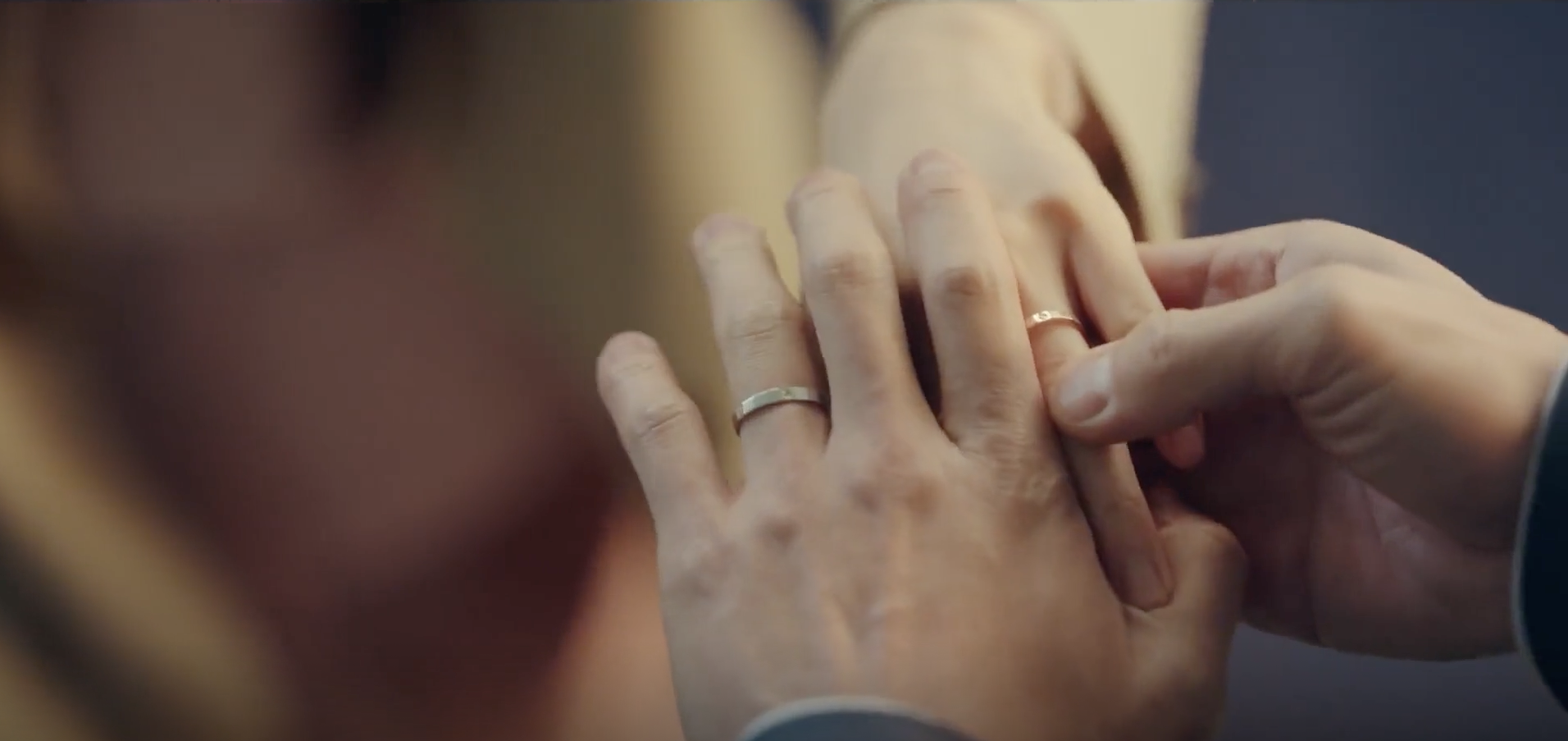
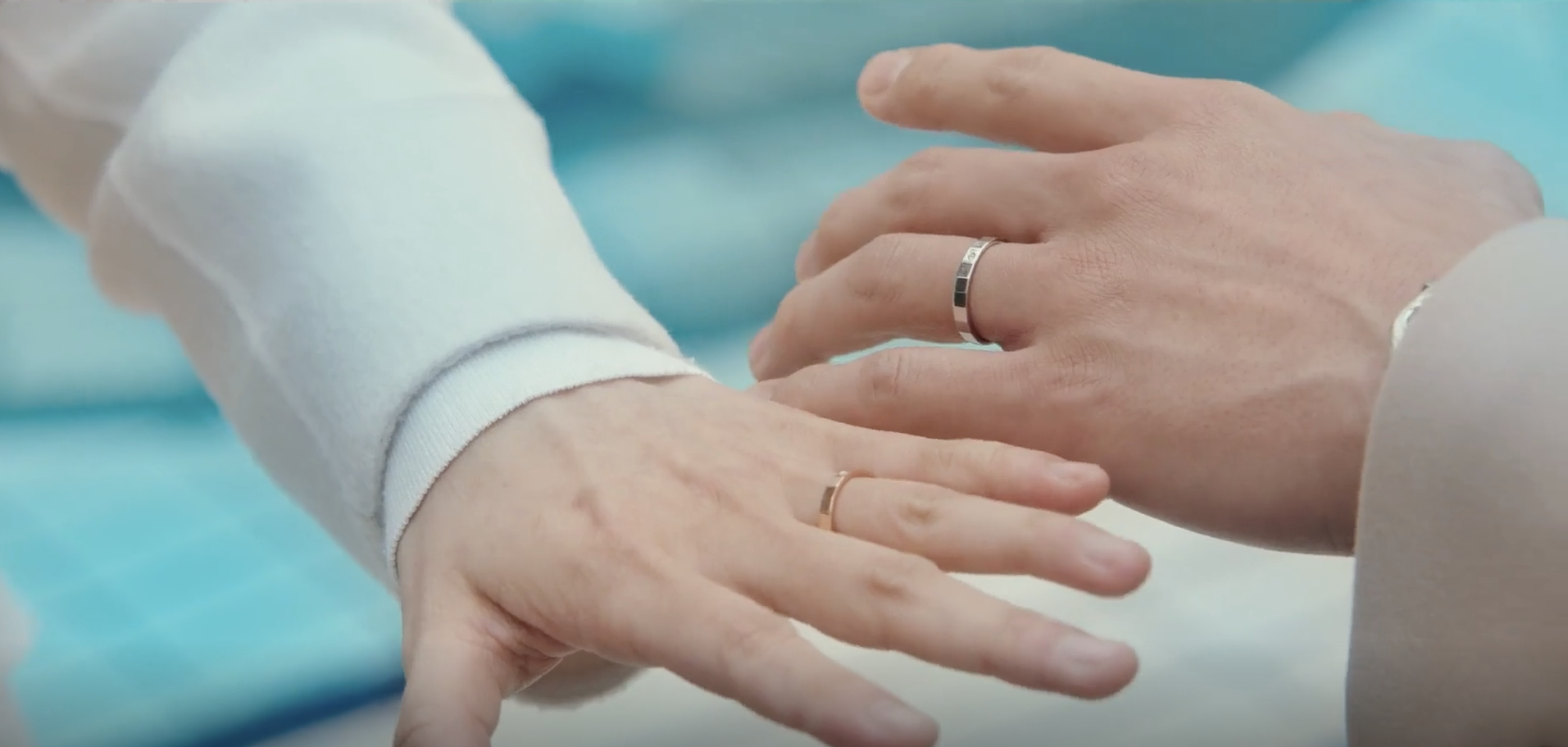
The couple rings: The rings are my favorite symbol of the drama. And it’s not just because they unite the couple. At the end of the drama, Ban Ji Eum has finally managed to escape her past lives. By choosing to forget however, she has also no recollection of her loved ones. Nevertheless, she still wears the ring offered by Seo Ha. She could’ve easily gotten rid of it, or at least worn it on another finger. Yet, she kept it as such and never even questioned her existence. She can’t even really explain why she has it. Of course, Seo Ha is wearing his which creates a direct connection between the leads when they meet again.
Water: Water is literally everywhere in the drama. From the opening scene by the sea to the ending scene next to the swimming pool, it symbolizes the link between Seo Ha and Ji Eum, but also a new start. This element is often associated with rebirth, cleansing and peace, but also with turmoil and danger. For Seo Ha and Ji Eum, it represents all of these things. For example, the leads share many moments in the swimming pool (which will remain their safe space until the end). There, they enjoy quiet and bliss. Later on, Seo Ha still uses the pool as a cleansing quiet place in order to gather his thoughts and feel better. The pool at the end completes the cycle. Water in this case comes with rebirth – that of Ji Eum and of their love.
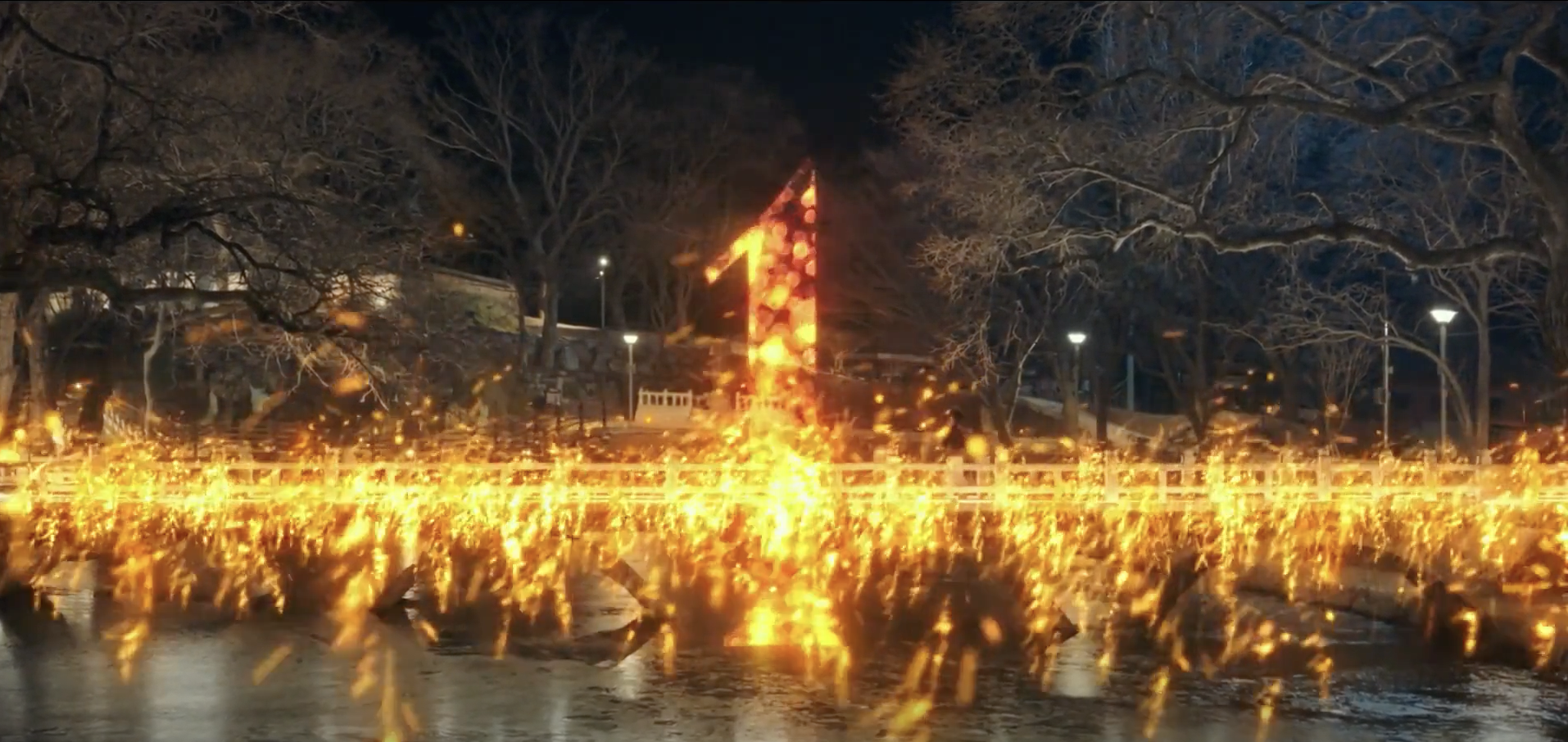
As far as turmoil and danger are concerned, the events on the bridge 1000 years ago can be mentioned to express that idea. Indeed, the quiet water below the bridge bore witness to tragedy, pain and death. Su and Han Ya died, while the curse started. Finally, rain also plays a relevant role in the drama whether it’d be for Seo Ha and Ji Eum or Do Yoon and Cho Won. Both sisters made good use of the rain to confess their feelings, conveying the flooding emotions of love that came crashing in their chest when they saw Seo Ha and Do Yoon.
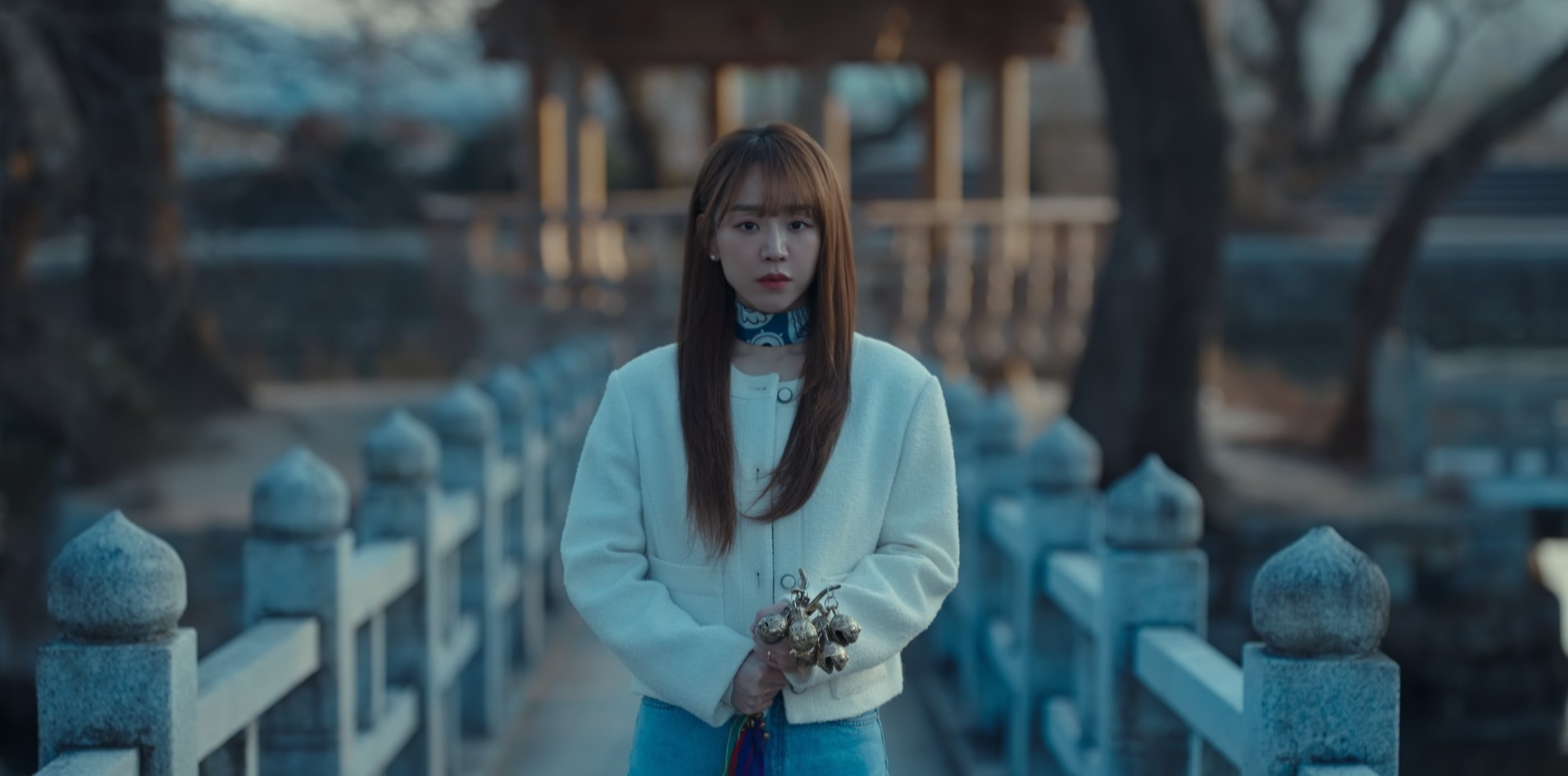
Nature: Nature in the drama is an excellent and subtle way to convey characters’ emotions. I will talk about 3 of them here, although I’m pretty sure you can interpret many others.
1. The opening scene shows Ban Ji Eum on a rocky path in front of a turbulent sea. This translate her inner turmoil caused by the experiences (negative and positive) she had in her previous lives. Indeed, she herself says that her past memories comes flooding like waves around the age between 8 and 12. The environment is a visual support to Ban Ji Eum’s story.
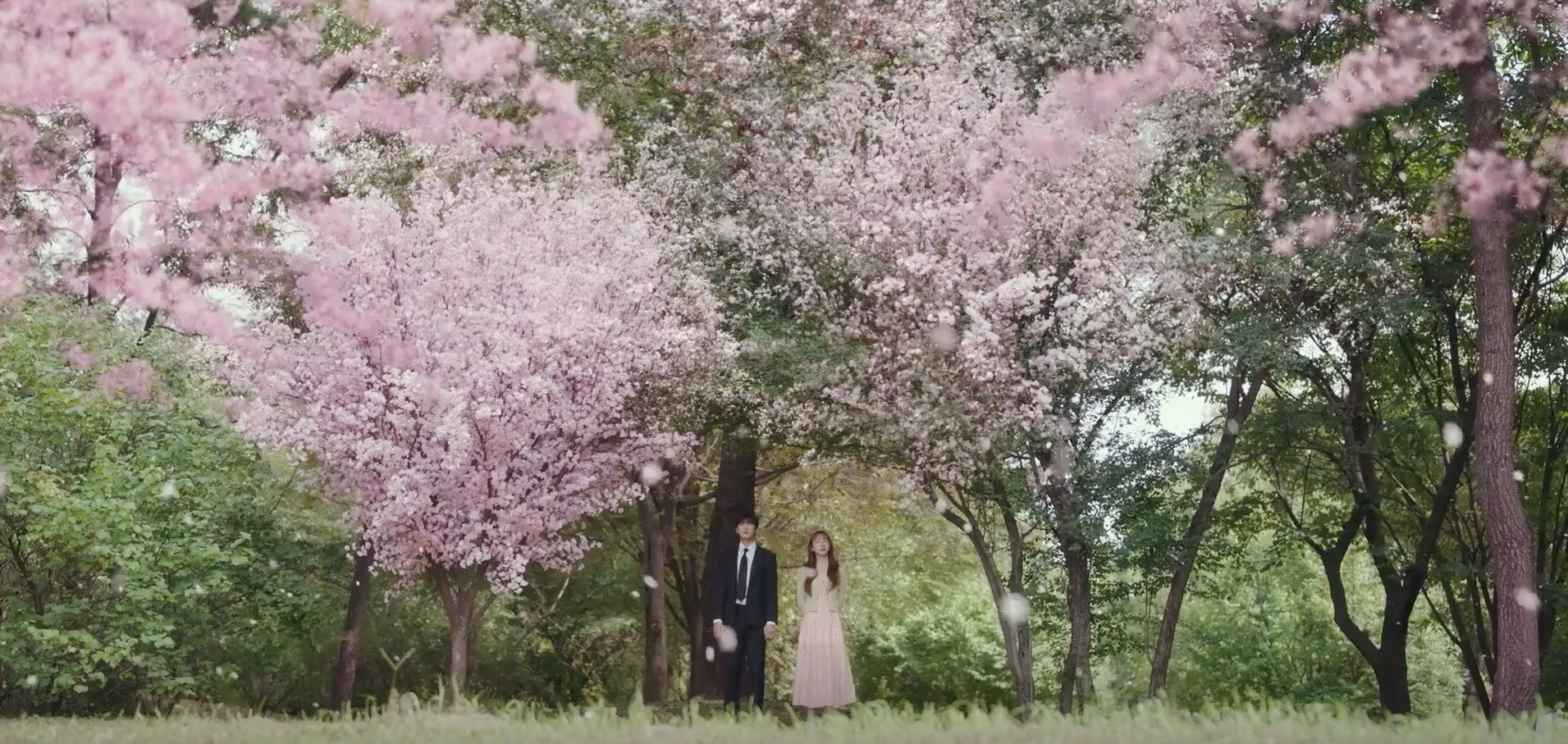
2. The cherry blossom scene is a simple, yet clever display of Seo Ha and Ji Eum’s blooming love. If we were to push the analogy, both Seo Ha and Ji Eum were going through the coldest winter of their existence (trauma caused by Ju Won’s death for Seo Ha – rough upbringing for Ji Eum). Now reunited, winter gives way to spring and blossoming flowers. Moreover, Seo Ha and Ji Eum share a deep conversation in which Ji Eum’s speech leaves a long-lasting impression on her lover. Even later on, Ji Eum interrogates him to know if that’s when he fell in love with her. At the very least, we can say that Seo Ha engraved this conversation in his memory, as he has kept a cherry blossom from that day and has hidden it in a book.
3. Cho Won’s garden is the physical embodiment of her personality. Like her flowers, she’s persistent and resilient. She thrives in rough environment, but needs the love and care of a gardener (Ha Do Yoon here) to fully blossom. If she doesn’t receive enough attention, she may just whither and die. Her plants are a symbol of her bright and optimistic personality, as well as of her vulnerability. One misstep in her care and she will be destroyed. In parallel to that, that’s what happens with Ha Do Yoon. He pushes her away to the brink of her giving up and losing her sparks. Cho Won’s garden is also a safe place where Ji Eum – her sister – and herself can recall their youth; it’s a bridge between Seo Ha’s past (Cho Won being the red thread) and his present, as she is hired to work as a gardener of the hotel; a location where revelations, (re-)encounter and confessions take place. Finally, Cho Won’s name itself is not without meaning. It can be translated as meadows. Interestingly, Cho Won lost her life in a middle of a meadow/field during her first life as Seol.
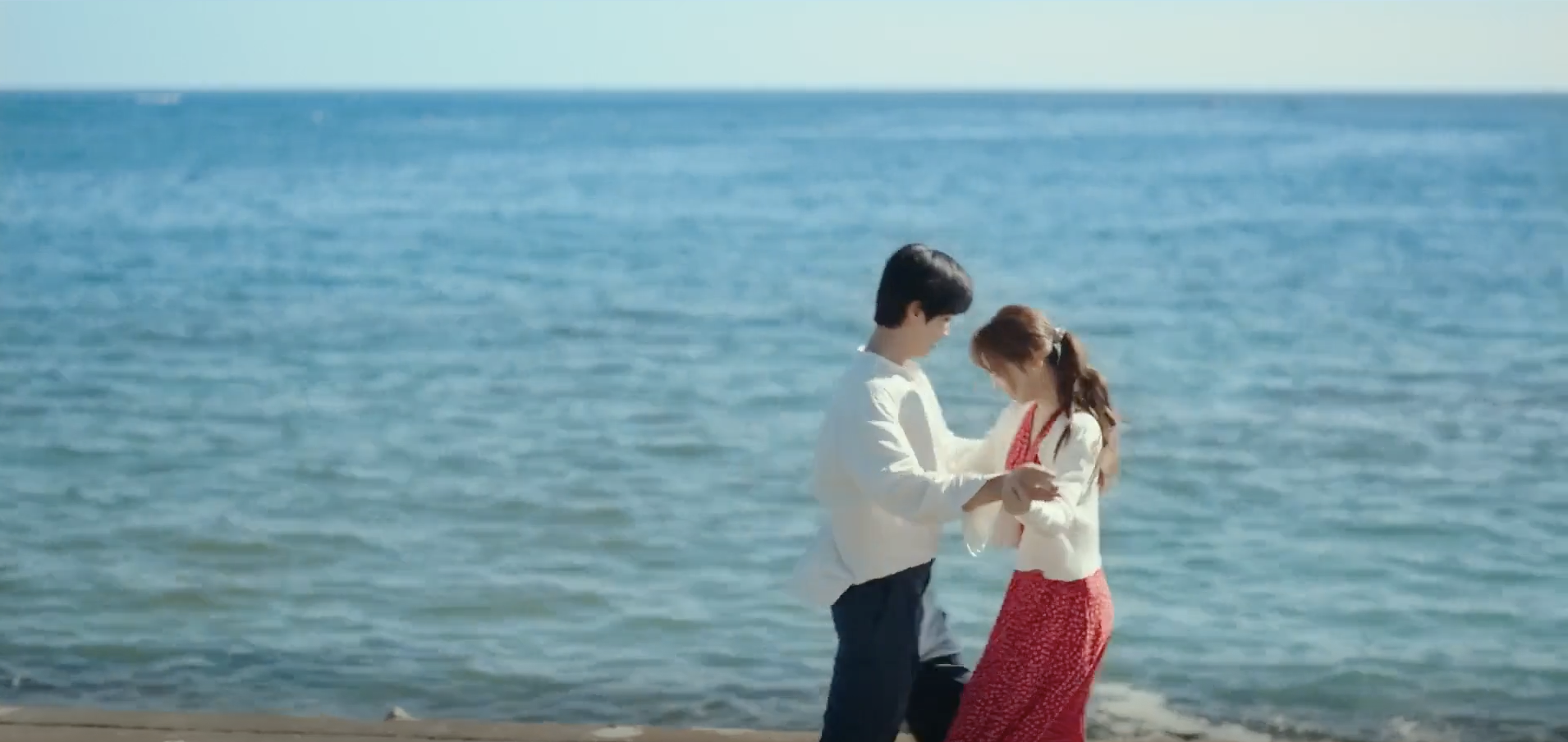
Running away: Just like I stated above, Ban Ji Eum’s search for freedom by running away starts in her 10th life. Now in her present life, she would grab Mun Seo Ha’s hand unexpectedly and run away with him to get him out of tricky situations. The beauty of that specific action is that it takes place at different stages of Seo Ha and Ji Eum’s lives. First time is when teenager Seo Ha is destroying a wall, young Ji Eum takes him away to avoid the police. She had been spying on him all along and wishes to protect him. The second time occurs when Seo Ha and Ji Eum are adults and have met again. Feeling that Seo Ha is being overwhelmed, Ji Eum just takes his hand and starts running as if they were chased. She later confesses that it’s the only way to free his mind from his problems. The last running scene is not initiated by Ji Eum but by Seo Ha himself, proving that roles have been reversed. For the same reasons as Ji Eum’s before, the CEO uses her technic to help her.

Direction, cinematography and acting performance:
I don’t think I need to write an essay to make you understand how good the drama is visually.-speaking. Lee Na Jeong’s direction is perfectly executed – as I mentioned earlier with the references to nature for instance. It either matched characters’ raw emotions or backed up the intensity of the plot:
– Swimming pool scenes for example emphasized Ju Won and Seo Ha’s compatibility and connection, but also shed light on Seo Ha’s solitude and grief
– The conversation under the cherry blossoms visually reinforced Seo Ha and Ji Eum’s blooming love
– The scene in which Ji Eum is walking followed by all her past selves showcases the burden she carries on her shoulder
– The fireworks at the bridge 1000 years ago unveil the explosive aspect of that pivotal scene for Su, Han Ya and Cheon Un, and the list goes on.
Moreover, actors top-notch performance supported that emotional narrative and shone in extremely powerful moments. Among my favorite, I would quote:
– Shin Hye Sun (playing Ban Ji Eum) imagining her embrace with her former mother, as she dances and cries in the streets
– Ban Ji Eum’s enraged attempt to kill Seo Ha after recalling her first past life
– Moon Seo Ha’s utter despair when he discovers the truth about Ju Won’s accident/murder and isolates himself in his room

The ending: There couldn’t have been better ending than this one! Like really. In order to free Ban Ji Eum from her past, Seo Ha tells her that she can forget everything, this time he’ll be the one finding her. Helped by Cho Won, Ae Kyung and Do Yoon (that is to say all of her past acquaintances), Seo Ha successfully reconnects with Ji Eum. The final scene is just pure bliss. Both are standing by the pool (aka their couple symbol) at MI Hotel. Mun Seo Ha approaches Ji Eum with the exact same technics and speech she used to seduce him like: ‘Why don’t you try dating me?’ or ‘I’ll ask you out 3 times. If you say no every time, I’ll give up then and there. Will you date me?’. Now Seo Ha is the one chasing after Ji Eum. In parallel, the female lead has finally achieved freedom and broken her 1000-year old cycle. She can start anew.
My favorite parts of this final scene are: 1. The fact that Ban Ji Eum still wears her couple rings without even knowing why, but realizes Seo Ha has the same 2. The last sentence of the drama is Seo Ha referring to the title: ‘This was my first confession in this life’. The circle is complete.

 Once Upon a Drama
Amazing, You write so well!!!
LikeLike
Thank you so much for your compliment! 🙂
LikeLike