Presentation
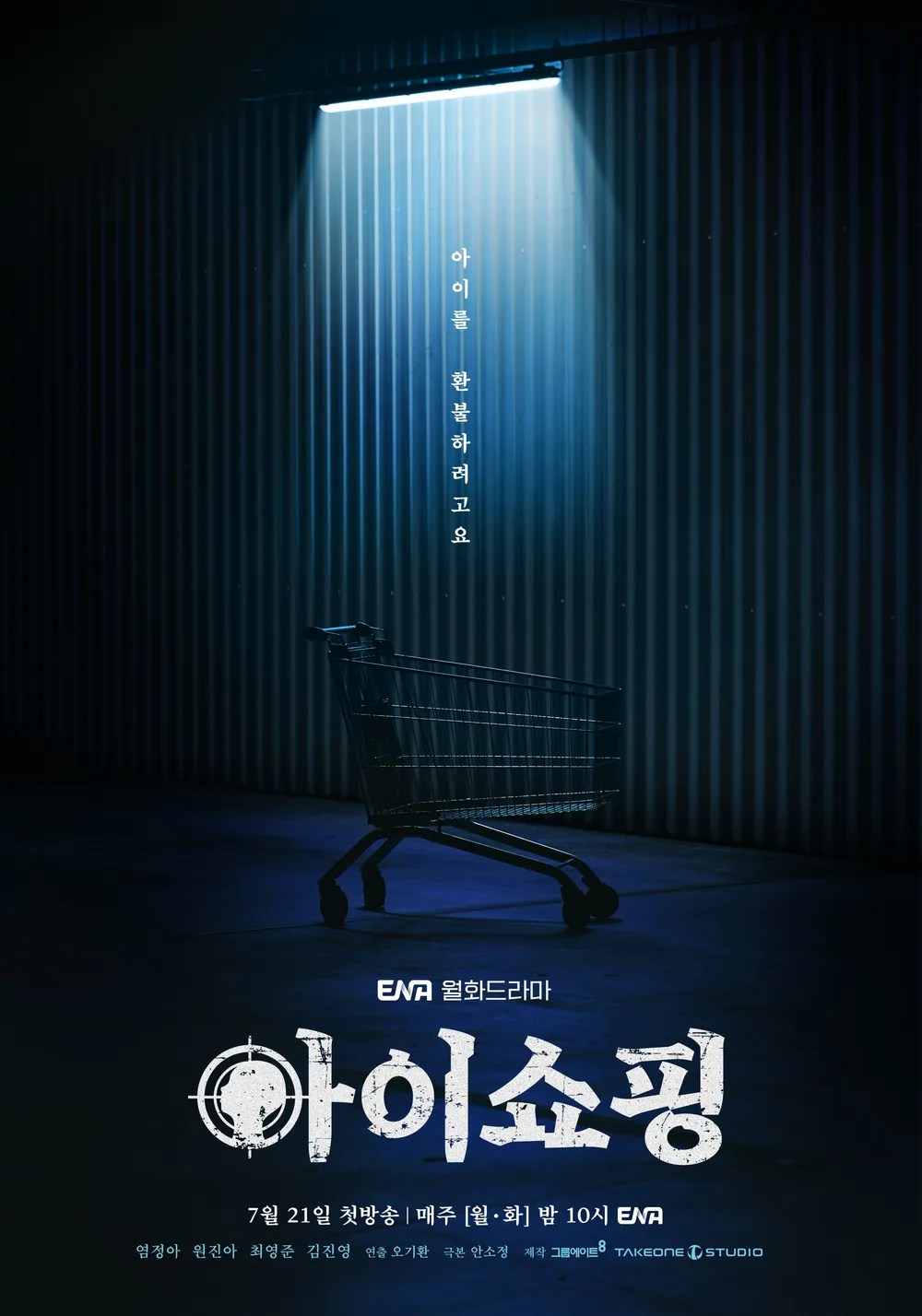
Korean Title: 아이쇼핑
Aired in: 2025 (8 episodes)
Channel: ENA, TVING
Grade: 7.5/10
Actors: Yum Jung Ah, Won Jin Ah, Dex & Choi Young Joon
For more…
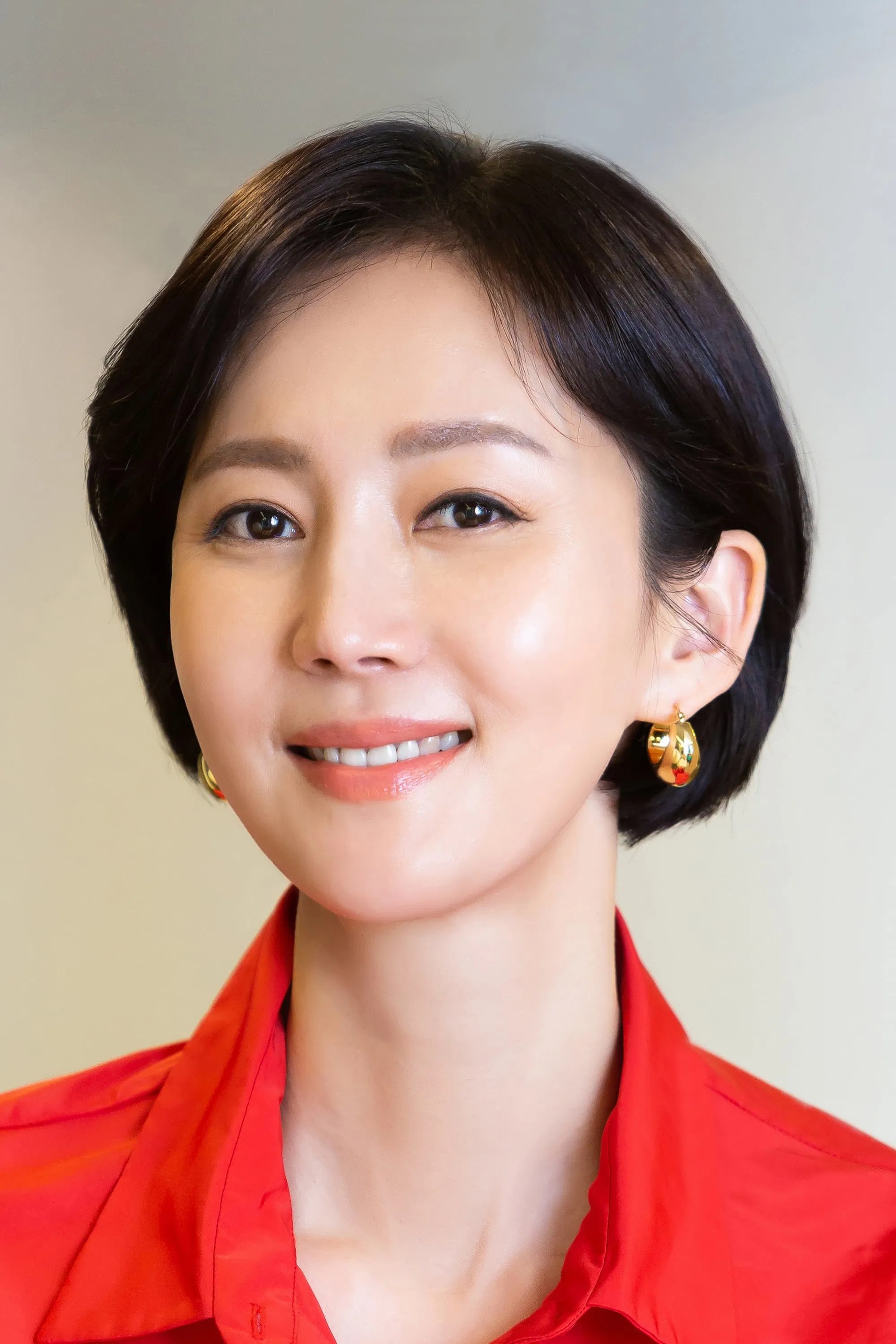

Yum Jung Ah:
– SKY Castle
– Cleaning Up
No Way Out: The Roulette
– Love, Take Two
Won Jin Ah:
– Just Between Lovers
– Melting Me Softly
– Sunbae, Don’t Wear that Lipstick
– Unicorn
K-Dramas with ethical debates:
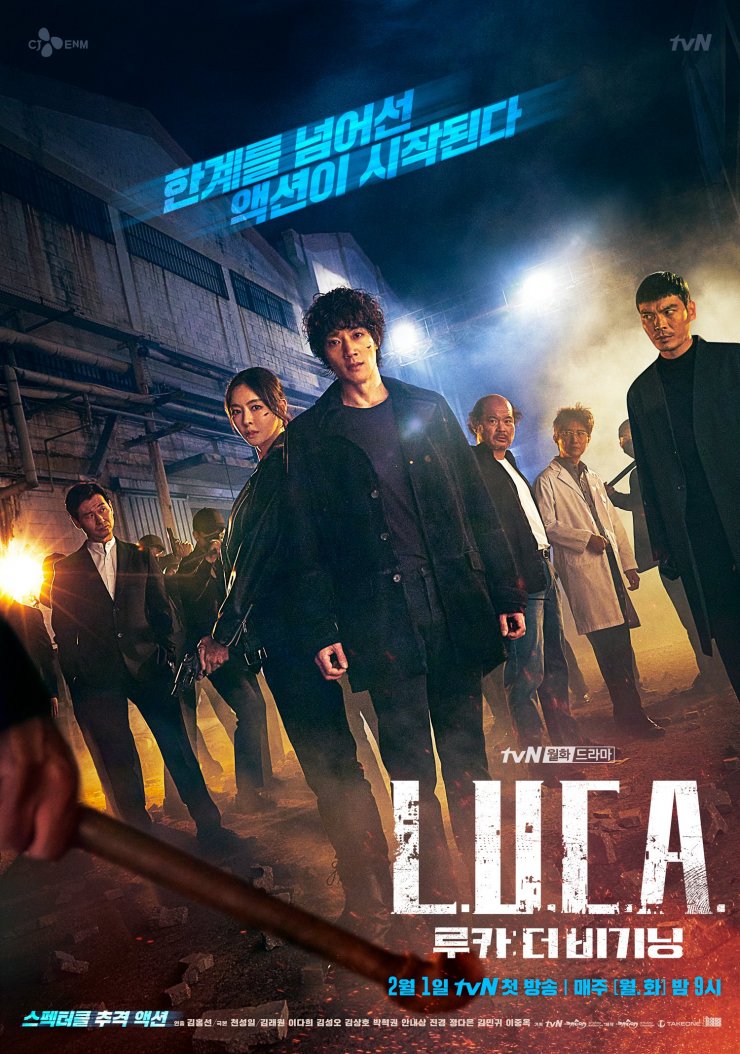
L.U.C.A.: The Beginning
Overview
Synopsis
Kim Se Hee is a highly respected doctor, at the head of an illegal adoption organization that has a rule: if the adopted child does not meet the parents’ expectations, they get a free refund and the child is killed to destroy evidence of their crime. Kim Ah Hyeon was one of the refunded children, but survived. Now, she wants revenge.
My Opinion (No Spoiler)
This drama took me by surprise to be honest. It turned out to be quite decent with a good pace, intriguing characters and a terrifying plot. The cruelty of some people in the show is truly out of this world. But when the main topic of the show is child shopping, then you kind of get an idea of how tough it’s going to be. And I liked that dark vibe. I appreciated that they didn’t hesitate to show evil. It made me reflect on the concept of perfection, ethics in science and what it means to be a parent. I was also totally immersed in the show and rooted for the children’s success. However, there were some points in the drama that kind of disappointed me. First, they explain Kim Se Hee’s past way too late. I understood that they wanted to give her more complexity by explaining her story as a child, but it came in the last episode only. Second, Kim Jin Young’s character had so much potential that remained unexplored. Third, the teenagers had a lot of proof to take down the bad guys, but they didn’t use them to their advantage. All of this elements made me feel as if the intrigue was lacking. Don’t get me wrong, the drama is good. But I’m left dissatisfied and disappointed. Too bad for such a good drama!
Analysis
- The allegory of parenthood
Ah Hyeon’s mother, hubris
So Mi’s father, lust
Seok Su’s parents, anger
Joo An’s parents, greed - Social issues
Capitalism
Quest for perfection
Low birth rate
Domestic abuse
Homosexuality
Debate on ethics - Childhood traumas
- Pace and plot
The allegory of parenthood: The drama relates the story of children considered as defects by their adoptive parents. But the real purpose of the show is to shed light on parents’ worst vice: greed, cruelty, disdain. Characters’ parents embody all the bad traits of an adult and they are put in contrast with real parents like So Mi’s mother, Eun Jo’s mother who sacrifices herself for her sick ‘defective’ daughter or Woo Tae Sik (Choi Young Joon) who eventually turns into the children’s protector. The ill-treatment of the ‘defects’ is cruel and shocking. It is pushed to the extreme, but I believe that they did that for the sake of the show and the messages they wanted to convey. It’s indeed very rare to see so many villains in a drama, and even more scarce in real life. But at least, it demonstrates that some people can’t be and should not be parents.
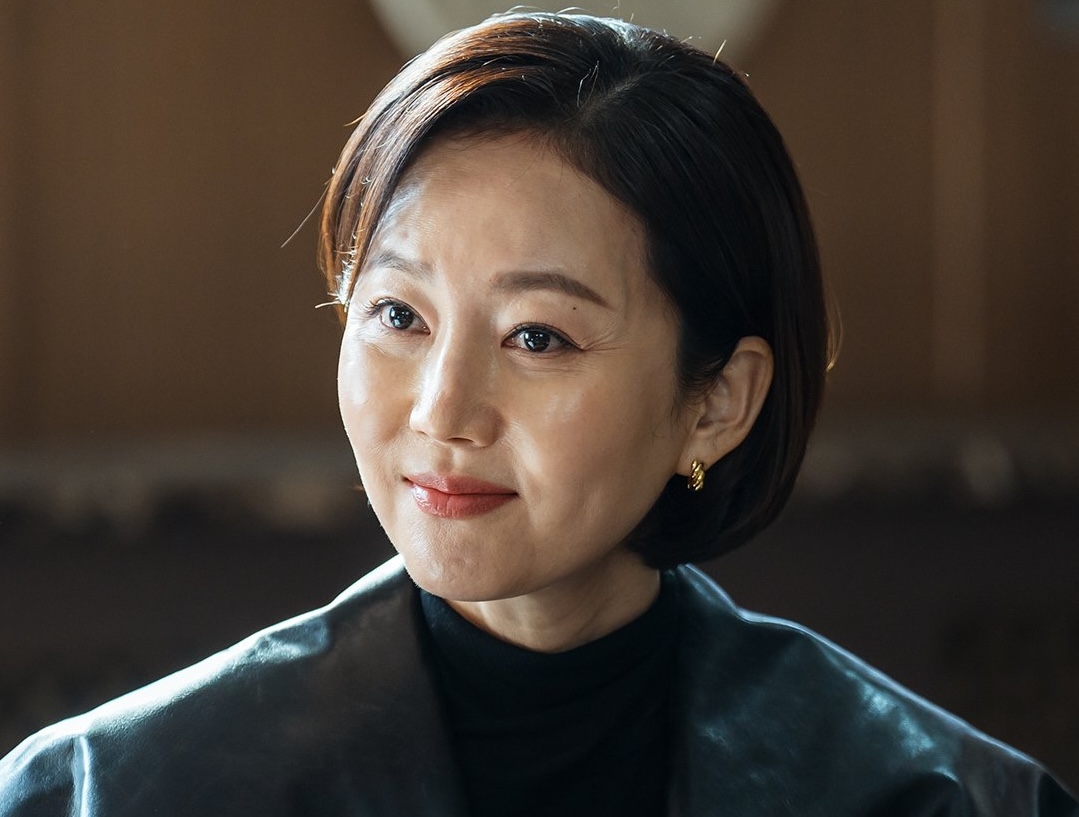
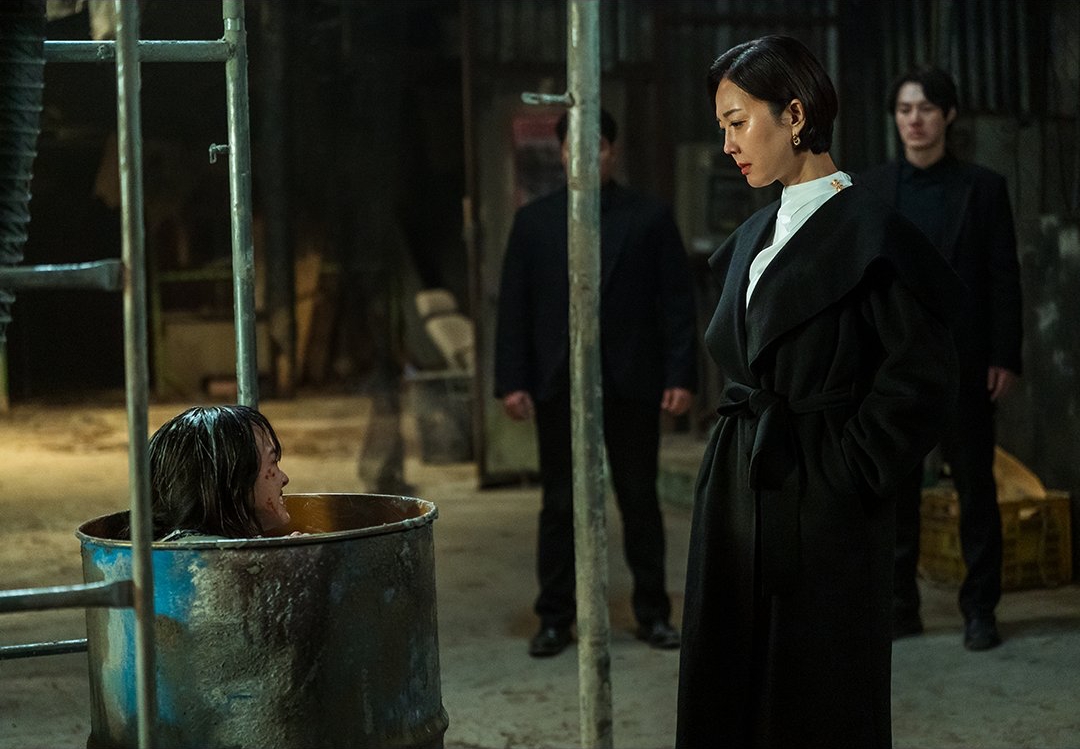
Ah Hyeon’s mother, hubris: She’s the worst of evil. Kim Se Hee (Yum Jung Ah) is the ultimate villain of the drama. Right from the start, we understand that her intentions are devilish. She’s at the head of the child trafficking organization, manipulates genes like a crazy scientist, doesn’t care about human life and is willing to sacrifice anyone, even innocent children, to achieve her goals. In the past, she killed her husband to get her hands on his fortune and scientific studies. Later on, she got rid of her own daughter Kim Ah Hyeon (Won Jin Ah) because she didn’t meet her expectations. Kim Ah Hyun is a lovely, bubbly and cheerful child. She loves her mother deeply, but also makes mistakes like every children. She’s not the best at school and doesn’t excel in anything specific. To Se Hee, she represents a flaw, a weakness in her perfect existence that she needs to discard. Later on, Se Hee adopts another child she names Ah Hyeon too. Though she’s perfect in all ways, Se Hee demonstrates her rotten mentality when she accepts to use her 14-year old daughter as a surrogate. She wants to make good use of her child, just like everything else in her life. Se Hee embodies hubris. In her quest for a perfect clone of herself, she doesn’t fear playing God. However, every experience comes with a price. Perfection is an unreachable concept that is bound to make you fail at some point. That’s exactly what happens to Kim Se Hee at the end. Like Icarus who flew too close to the sky with wax wings and ultimately fell to the ground, Kim Se Hee’s defective children team up to bring about her downfall.
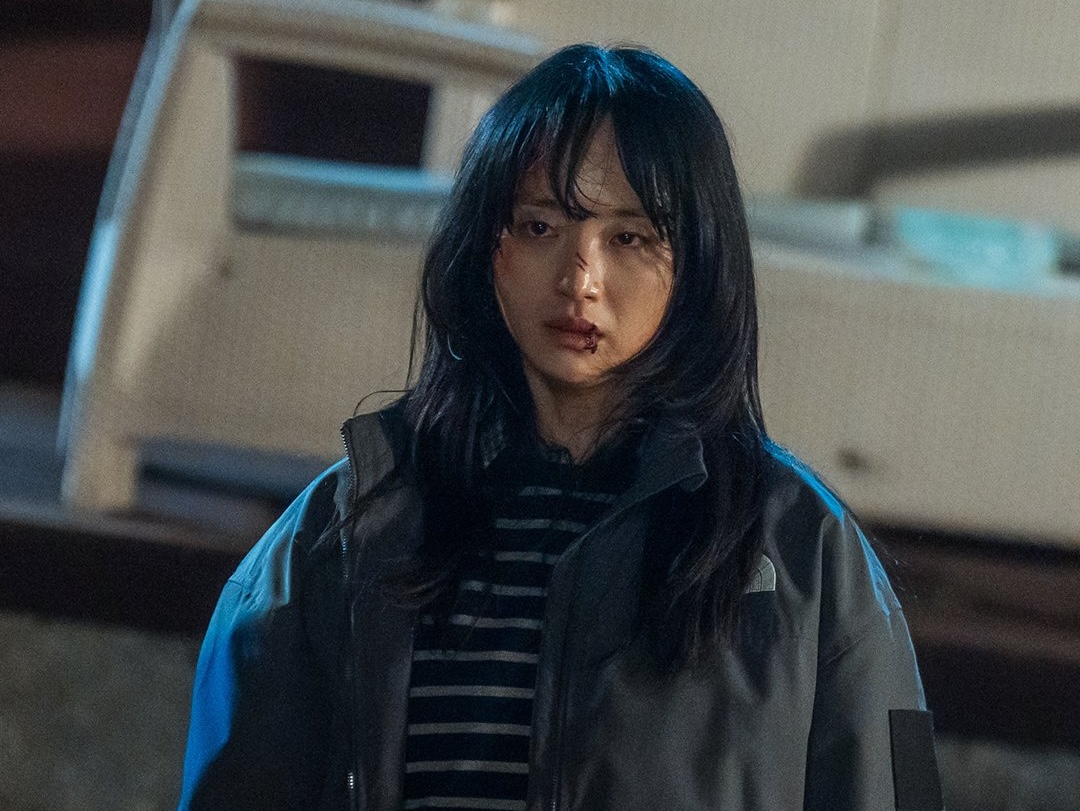
So Mi’s father, lust: If Kim Se Hee represented hubris, it’s quite obvious that So Mi’s (Lee Na Eun) father stands for lust. He and his wife adopted a daughter and treated her like a precious gem until she entered adolescence. When in high school, So Mi was starting to transform into a beautiful and attractive young woman. This awoke unhealthy urges in her adoptive father’s mind. He was already dominated by his lustful impulses towards younger children, but he crossed another repulsive line by raping his own daughter. To do so, he hypnotized her and sexually assaulted her whilst she was unconscious. It took So Mi some time to understand what was happening to her. When she came around, she started to push back. That’s when her father decided to send her back and ask for a refund. He didn’t want to risk his dirty deeds to be exposed, so he got rid of the problem. Later on, his lust became his weakness. The group of defective children find out pictures of child pornography on his computer and release them to end his career and ruin his reputation. Though So Mi got unlucky with her father, she had the chance to meet her adoptive mother. After her disappearance, she looked for her daughter day and night. She even ended up in a psychiatric hospital because she got too close to the truth regarding her husband. At the end, So Mi is reunited with the one good parent she has left. Her responsible mother even takes Choi Si Woo (Kang Ji Yong) under her wings and raises him like her own.

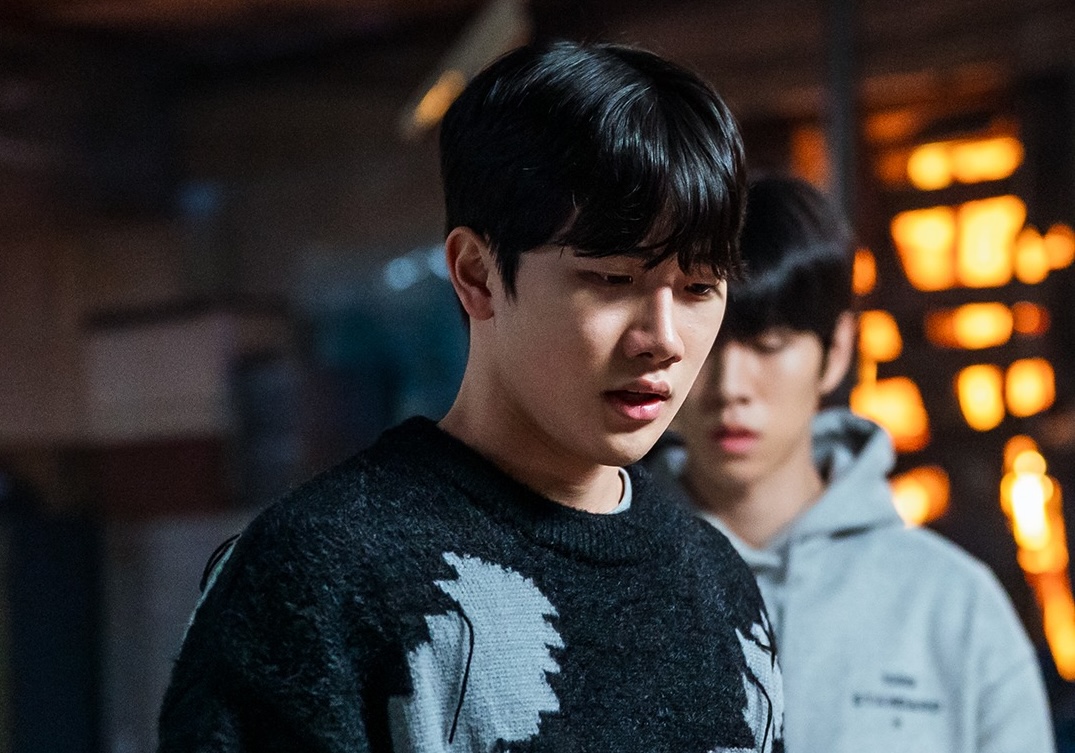
Seok Su’s parents, anger: Seok Su (Oh Seung Jun) is probably the character who received the worst treatment from his parents. His father is an assemblyman who expects a lot from his children. Unfortunately for Seok Su, he wasn’t enough to satisfy his parents’ ambitions. Yet, they tolerated him and his mediocre existence. Seok Su’s life spiraled down when his parents brought another kid home. He was better, more adorable, less taciturn. He melted his parents’ heart. Seok Su suffered from this favoritism. His parents constantly compared him to his little brother. They belittled him and made him feel inferior. They felt angry at him for not living up to their name and reputation. Later on, this anger turned into hatred and sadism. Seok Su’s father would strip him off his clothes, put a leash on him, make him bark like a dog and eat in a bowl. He would also physically punish him by beating him up. To him, Seok Su’s life wasn’t worth more than a dog’s. If he could not live as his son, then he would be better off as a punching ball on which he could just vent his anger out. To be honest, I think Seok Su’s parents were the worst of them all. He endured torture – physical and psychological – every day. In the end, death was a better ending for him. Life was bringing him constant suffering. He would have nightmares of his time in his parents’ house. In a way, I believe that Seok Su’s death was a liberation. He escaped his hell on earth. Even if he had survived, he would’ve been haunted by his past. So, death set him free.
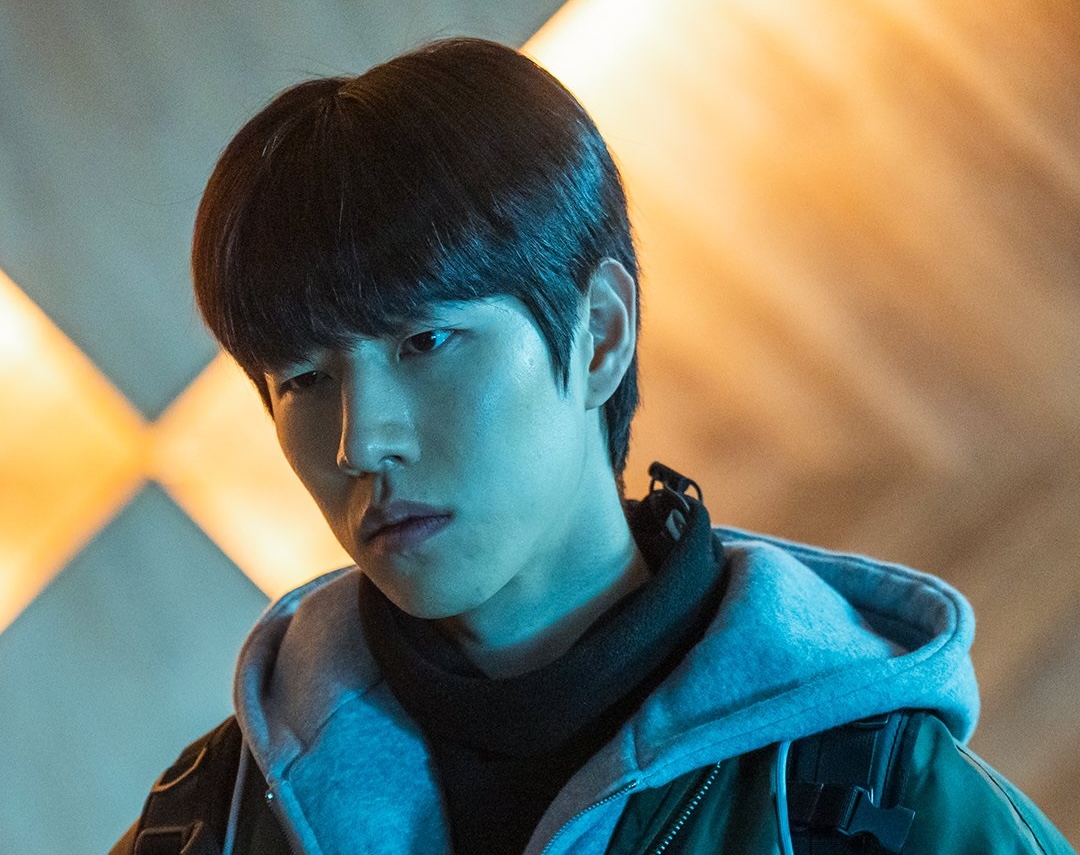
Joo An’s parents, greed: Joo An (Ahn Ji Ho) was adopted by a religious family. His father is a priest and is mother a pious follower. Or so it seems. In reality, both individuals use religion as leverage to enrich themselves. Their greed knows no limit. When Joo An’s father discovers his son’s sexual orientation, he sees it as a potential threat to his life work. Indeed, Joo An has fallen in love with another young boy of the congregation. If the rumor spreads that the priest’s son is homosexual, people would surely criticize and leave the church. That’s why Joo An’s father acts rapidly in order to protect his wealth, his reputation and social status. He first tries to change his son’s preference by literally torturing him on the cross (just like Jesus). Seeing that it’s inefficient, he decides to remove the obstacle aka his son’s lover. He convinces the latter to commit suicide in order to protect Joo An. The adolescent is young and immature, but also overwhelmed by his love and emotions. In a desperate attempt to rescue his lover, he kills himself. Joo An learns the truth and is devastated. But his father doesn’t give him much time to rest. Instead, he asks for a refund and gets rids of the dangerous liability.
Social issues: The drama uses a shocking and cruel plot pushed to the extreme to oppose innocent children on the one side and horrible parents on the other. By doing so, the show tackles real societal issues. Here are some that are worth mentioning.
Capitalism: How much is a child worth? How much would you pay for a child that satisfies your needs? Would you spend billions on a child that is not up to your expectations? Can put you put a price on someone’s life, especially if it’s a baby that has yet to reveal his potential? Here, babies and even teenagers after, are treated as products and thus can be bought, refunded or discarded. But they all need to serve a greater purpose. That’s a basic rule in capitalistic societies. If you buy something, you’re expecting some return on investment. In the context of the show, if parents have enough money to buy a child they consider worthy of them, then they intend some pay back from that same child. For example, they need to be obedient, blindly follow their parents’ orders, be bright and clever, behave and be respectful. Parents intend to shine through their children. In the case of the defective children, parents are disappointed with their investment. They consider the deal to be null and void, as they didn’t get what they paid for. The auction scene in the drama is the peak of that criticism. At that moment, you can clearly see that the rich and powerful don’t care about human beings, but are driven by money. Love is not part of the equation. Money, ROI and gain rule their world. Obviously here, you have a clear dichotomy between people vs. products; love vs. money; emotions vs. materialism. In our current societies, we often see these concepts clash with one another. The real challenge is to learn how to balance them.
Quest for perfection: The Defects offers a good reflection on the concept of perfection. Here, Kim Se Hee wants to raise children who are faultless. She also wants to have a daughter who resembles her, meaning someone she views as flawless. She doesn’t accept even the slightest sign of imperfection. This mindset is rather hypocritical coming from her, if you consider that she’s far from being perfect either. She’s indeed brilliant, ambitious and determined, but her mother rejected her when she was a kid supposedly because she was useless. The fact that Se Hee imposes her quest for perfection, just like other parents, on her children shows how subjective that concept is. What is perfection? What you see as perfect can be regarded as imperfect by someone else. If you relentlessly chase after perfection, isn’t that a vain quest? In my view, perfection and its associated quest are chimeras. Perfection is what you consider as such. This applies to children as well. Many parents consider their children to be perfect because they are their own. Their defaults, weaknesses, failures are simply hurdles along the way. However, this doesn’t impact their vision on their kids. That’s the result of parental love. In the drama, adults – and more specifically parents – confuse perfection with ego. They see as perfect the people and things that satisfy their ego. They are devoid of parental love and thus are unable to wear the correct lenses. In the context of the show, children are a way to show off and brag. Parents want to make others jealous and envious, not realizing that they are also part of that same equations. In our current society, especially in South Korea, people thrive to differentiate themselves through beauty, education and money. They want to be admired and respected. The feeling of pride and superiority is what they regard as perfection. In reality, it is just misplaced arrogance. Perfection is up to everyone to decide for themselves how they define it.
Low birth rate: There’s another interesting topic in the show that I think is worth mentioning. According to the story, the ‘bio-ethic law’ that allows scientists and companies to manipulate future babies’ genes is rapidly accepted by governmental institutions because of the low birth rate in South Korea. Raising a child is expensive, that’s why many couples are DINK (‘double income no kids’). In the drama, the president of South Korea himself belongs to that category of the population. Low birth rates combined with a capitalistic view on life makes it difficult for the country to ensure its survival. So, in order to lessen parents’ financial burden, the government decides to pass a law that allows for them to choose their children’s genes. This means that future generations will be less prone to sicknesses (and thus cost less in hospital bills) and that the expenses in their education have a real return on investment. Indeed, every parent expects his child to become a doctor, lawyer, judge, etc… any job actually that provides a stable pay check. They want to invest in their education with the promise that their children will be able to elevate themselves in society and earn money on their own. Although this is a valid argument, I think this is where we need to draw the line. Money shouldn’t be the main reason backing up a law on life. The entire plot stems from the idea that the country needs to boost birth rates. And indeed, low birth rates in South Korea are dangerous. However, enabling changes on human beings is displacing the problem. If the real reason why people don’t have children anymore is because of money, in that case, why not start with tackling the root cause by decreasing education fees, give aids to access better healthcare, etc… Changes should be made on society, not on those who are part of it.
Domestic abuse: The drama sheds light on domestic abuse at its peak. The story of each child relates the horror his parents have put him through (rape, torture, psychological pressure…). Even Kim Se Hee’s second daughter, Ah Hyeon, is subject to a constant oppression from her mother who wants to have a perfect child. Though this is not a direct physical abuse, as atrocious as what other kids have suffered, it still deeply impacts Ah Hyeon’s mental well-being. She can’t be herself, fears failure and constantly walks on eggshells around her mother. This behavior is not what we could expect from a 14-year old child who should be immature, clueless and innocent.
Homosexuality: Through Joo An’s story, the drama tackles the eternal clash between religion and sexual orientation we find in many societies. Joo An is indeed in love with one of his peers at the congregation. His father comes to know about this reciprocated love and immediately refuses it. Even if the reason is financial rather than founded on beliefs, this situation still highlights this heated debate. Some countries and even churches have accepted same-sex marriages and celebrated love from these unions. However, there are other more conservative societies that have yet to pass this step. On that matter, South Korea remains quite traditional in its view on marriage. Homosexuality is often unspoken or hidden out of fear of being judged and criticized. For Joo An’s parents, it would be a complete shame if their fellow church-goers were to discover that their own son is attracted to men. So, they rely on old and abominable methods using pain to make him change. As far as I can remember, conversion therapy has never been efficient. It has caused more harm than good, and left an indelible scar in the mind of those who received it.
Debate on ethics: How far can science go? Is gene manipulation morally and ethically acceptable or is it just human hubris? Does having a child that meets your requirements make you love him more? Can you actually go against nature? Is it your right as a parent to decide your child’s individuality? This is yet another set of questions raised by the drama. I’m a huge fan of debates on ethics because they really force you to push the reflection to its extreme. In our case here, we can argue that children have a right to be who they are, as decided by nature. They have a right to have a bubbly personality, be more analytical than emotional, and to develop and nurture their individuality the way they intend to. Their parents were able to cultivate their preferences, so why would you deprive children of that same right? Manipulating genes would be synonymous with removing that one special thing that makes them who they are. Not only would they have to suffer until the end of their adolescence under their parents’ watch, but they would also be devoid of what makes them who they are. A second argument against gene manipulation is simply the way science works. Through trial and errors, scientists do and re-do the same experiments before getting to the expected result. As shown in the drama, that method also applies to babies. In Se Hee’s secret factory lie many fetuses, dead babies and/or weird specimens who are the defective products of their trials. This was a horrible vision that made me want to vomit to be fair. Another issue that we can mention on that matter is related to biological parents’ consent. In the drama, women’s eggs are harvested, men’s sperm is collected, yet neither party is aware that the company is making babies with their personal ‘belongings’. Worse, unconscious women are used as surrogates. This means that they don’t even know their uterus is being used as a baby factory. This entire process is just wrong from beginning to end and calls for so many unlawful practices. And there are so many other debates that can stem from that one drama. By the way, if you’re interested in the topic, you should definitely take a look at another drama L.U.C.A.: The Beginning that is full of ethical debates too.
Childhood trauma: Kim Se Hee was traumatized by her mother who abandoned her because she considered her useless. Since then, the female lead developed an inferiority complex that turned into a thirst for revenge on life. To compensate her rejection and abandonment traumas (that are usual traumas in everyone’s lives), Se Hee felt the need to make others go through that same pain. She didn’t want to be alone, so she made sure others would know that same pain. When it comes to other kids in the show, it’s visible that they are all afraid of being abandoned. That’s the case with Jung Hyeon who’d rather die instead. As for the rest, they held onto the belief that they were loved and precious to their parents – like Si Woo at the very beginning. Even after, they just can’t handle the disappointment and rejection and refuse to kill their monstrous parents when confronted to them. This is proof that children have unconditional love for their parents, but that love is sometimes unrequited. At the end of the drama, Ah Hyeon says ‘I love you’ to her mother. However, it should be seen as a way to spit in her face rather than a love confession. She’s a defective product and the fact that she shows love to her mother means that she considers her similar to her, that is to say defective and imperfect. It’s not real love but rather an insult to the mother who wanted her children to resemble her. These 3 words are enough to understand that Ah Hyeon has overcome her trauma and has cut her emotional dependency with her mother.
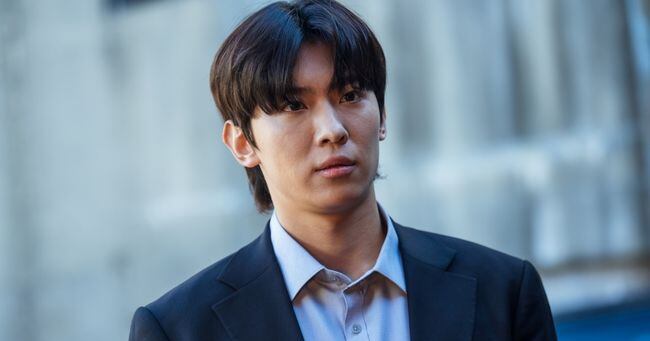
Pace and plot: The Defects is a fast-paced 8-episode long action drama that doesn’t have a boring moment. Fighting scenes are as important as discussion ones, as they give a certain rhythm to the intrigue. If I had to give my opinion regarding the pace only, that would a solid 9/10. However, that is not sufficient to make a good drama. You also need a good story. But here, the plot was lacking in many ways starting with the character development of Jung Hyeon (Dex). Kim Se Hee’s righthand man had so much potential at the beginning of the drama. He is a villain tracking down the ‘defective’ children. But behind the mask of cruelty lays a more complex personality. He too suffered from abandonment as a child. He then became a teenager in dire need of affection and attention. Kim Se Hee saw that and used his feelings for her own interests. From then on, Jung Hyeon became her lackey and hitman. He knows that what he’s doing is wrong, but continues out of fear of being rejected again. I truly believed that he would have an awakening at the end. I hoped that this character would finally be able to cut the cord and grow up into an adult. Unfortunately, he remained stuck in his child era. He’d rather die than go through the hurt of being useless and rejected again. I was very disappointed because this character could’ve made a difference. He could’ve had a real transformation and even atoned for his crimes. Yet, his potential remained unexplored. If this was going to end like that, I don’t get why they wasted so much time on him. Apart from Jung Hyeon, I think the drama messed up with another character development: Kim Se Hee’s. From the very beginning, she’s a pure linear villain. Her intentions are evil and everything we know of her past makes her even more horrible. But in the last episodes, they feel the need to give us more insights on her childhood. She too had been considered useless by her mother which imprinted a deep trauma in her. This could’ve interesting in Se Hee’s evolution if it had come before and impacted her current behavior. Instead, it gave me the impression that they were trying to justify her misdeeds by saying she’d had a crappy childhood too. To me, that was a bad excuse. Finally, the ending was definitely too rushed. It took half an episode to take down the villain and put an end to the child trafficking organization, when we’d spent 7 and a half episodes praying for their downfall.

