Presentation
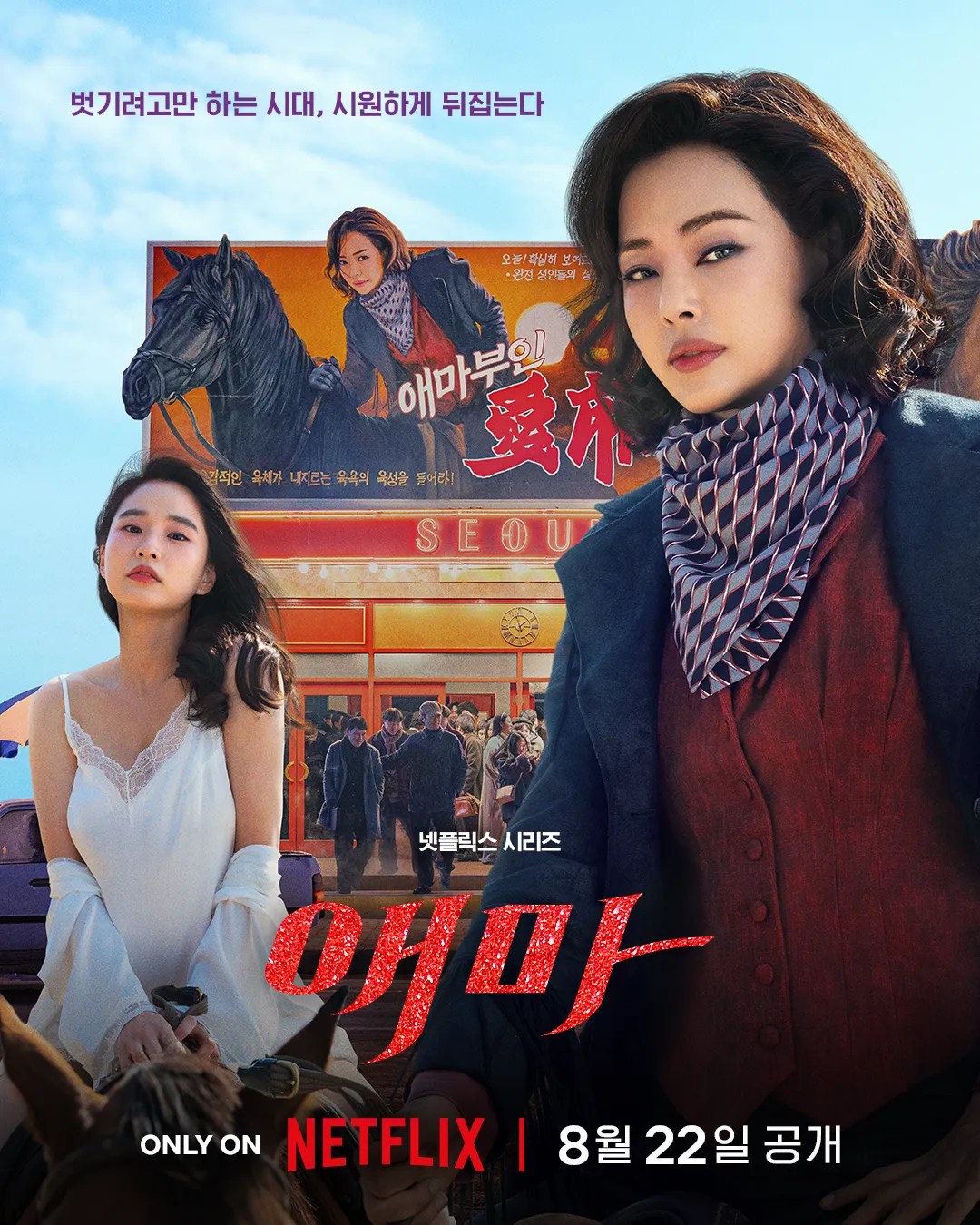
Korean Title: 애마
Aired in: 2025 (6 episodes)
Channel: Netflix
Grade: 8/10
Actors: Lee Ha Nee, Jin Sun Kyu, Bang Hyo Rin & Cho Hyun Chul
For more…

Lee Ha Nee:
– Modern Farmer
– The Fiery Priest
– One the Woman
– Knight Flower
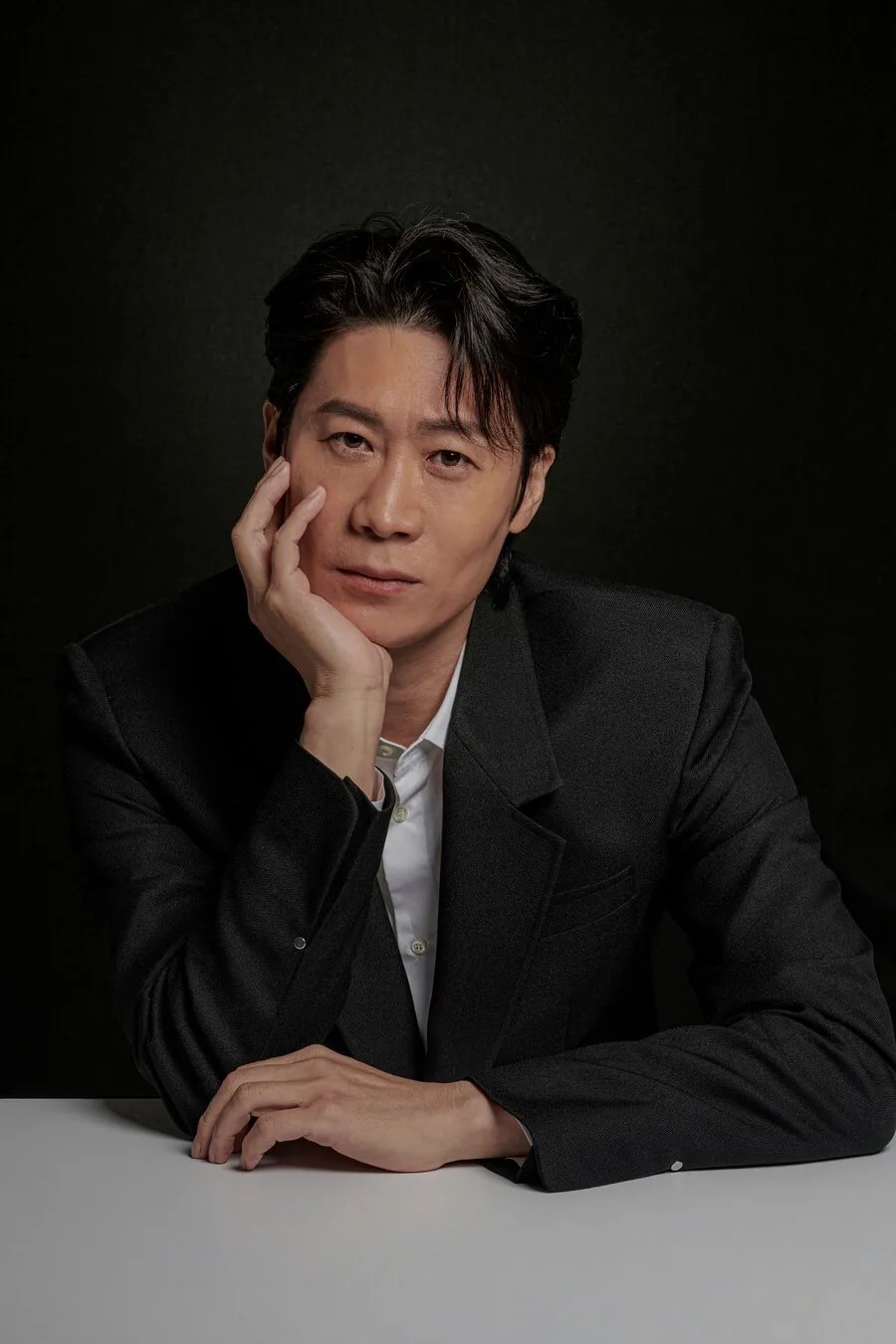
Jin Sun Kyu:
– Through the Darkness
– Revenant
– Heroes Next Door
– The Price of Confession
Atypical Dramas:
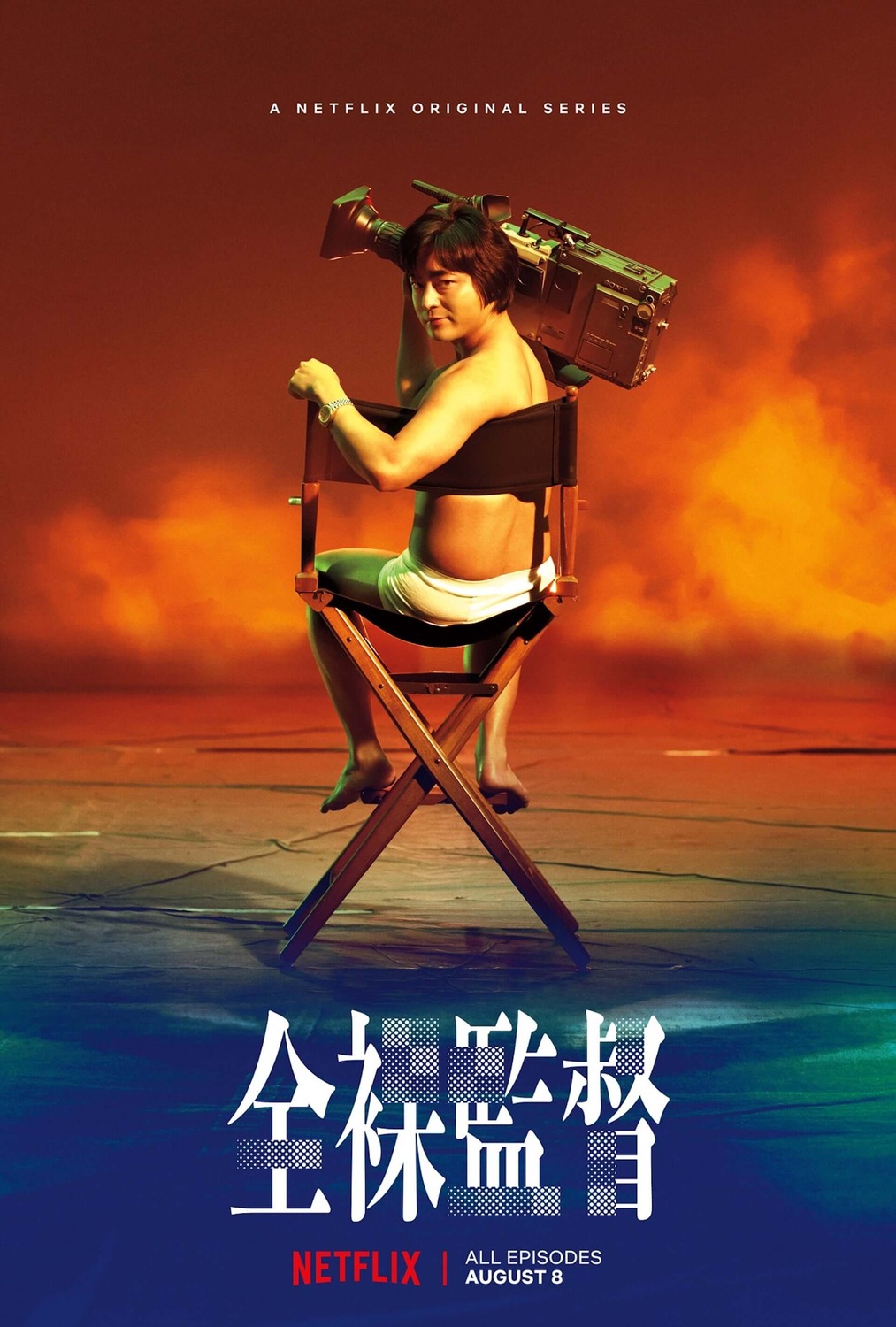
– The Naked Director
Overview
Synopsis
In the 1980s, Jung Hee Ran is the top actress in the country. She is cast as lead role in the movie “Madame Aema”. But producer Gu Jong Ho kicks her out due to her fiery temper. He replaces her with Shin Joo Ae, though she currently works at a nightclub. Meanwhile, Kwak In Woo is a rookie director in charge of “Madame Aema.”
My Opinion (No Spoiler)
This drama is like no other. The style, the story and the direction are quite atypical. Yet, there’s something about it – maybe its craziness – that made me like it. Lee Ha Nee delivers an impressive performance, portraying a veteran actress who’s not afraid of anything. I loved her resolute personality, her impulsiveness, and her b**tchy side. She clearly carried the show. The plot reminded me of the drama The Naked Director (on Netflix), as it tackles the universe of erotic movies in the 1980s. But Aema does more than just displaying the making of an erotic movie. The drama offers a good reflection on the industry, the place of women in society, the downsides of entertainment and the numerous problematics actresses of the time were (and maybe still are) confronted with. It used humor and grotesque to deliver the message which added a touch of originality to the show. I liked how they intertwined scenes from the movie with ‘real life’ to the point that I sometimes wondered if fiction had not invaded reality. It’s only 6 episodes, so if you want to watch an unconventional show, this one may interest you.
Analysis
- The actresses
Jung Hee Ran, the crazy b**tch
Shin Joo Ae, the mini Hee Ran - Based on true facts
Madame Aema, the real movie
The rising sexualization of women
Women’s place in the industry
The cinema industry in the 1980s - The atypical vibe
The actresses: Aema is women-centric drama that relies on the strength and charisma of its female characters. Both leads seem to be different, but they actually share many common points. They also embody women’s desire to become independent and emancipate from this patriarchal society.
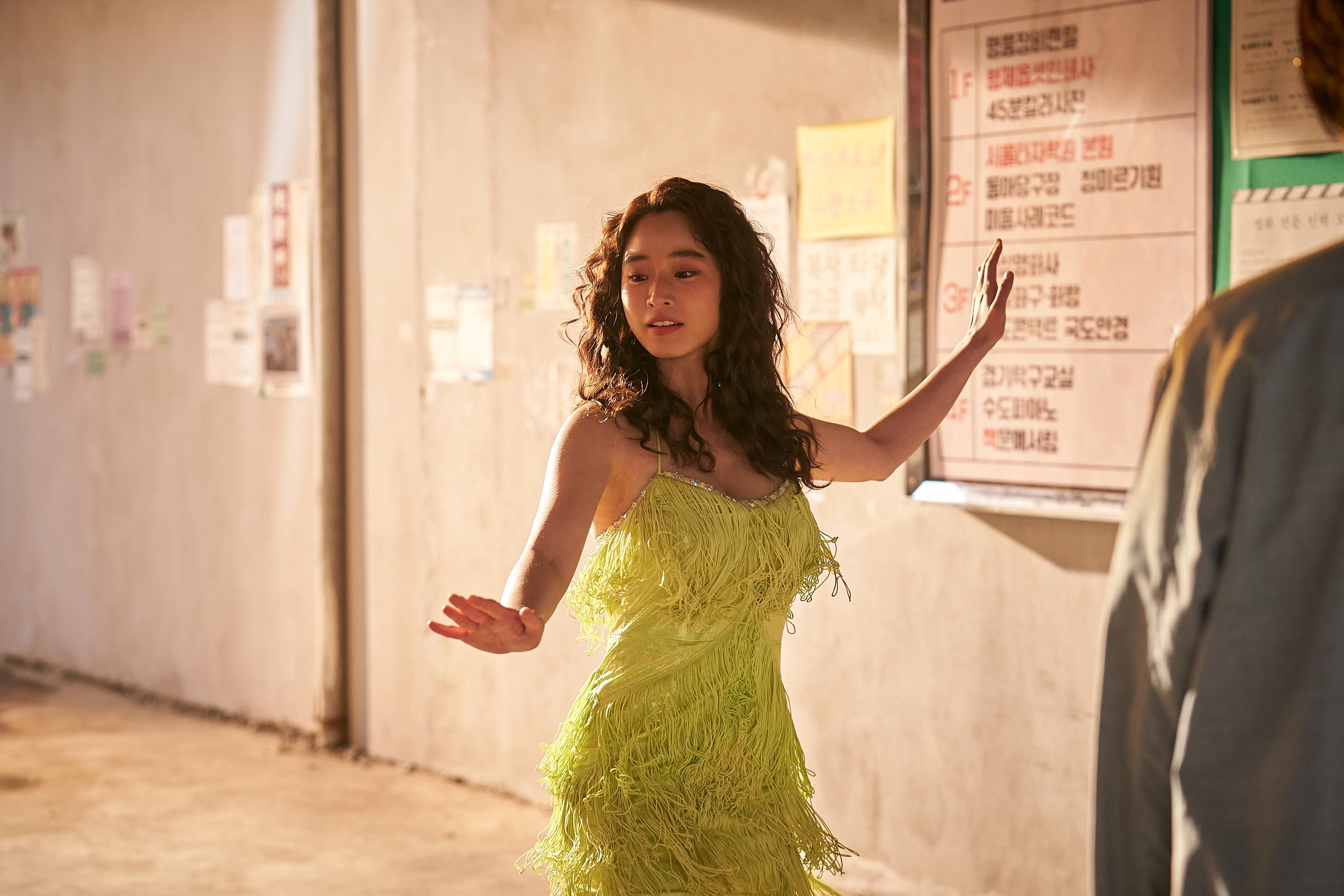
Jung Hee Ran, the crazy b**tch: Jung Hee Ran (Lee Ha Nee) is by far the best character of the drama. She’s the reason why the show has so much eccentricity, strength, and power. On the outside, she appears to be a simple, kind, and obedient actress who rose to fame thanks to her beauty and talent. But behind the curtains, Jung Hee Ran is strong-headed, determined, and has a fiery temper. She reached that level of notoriety because of her mental ability to withstand humiliation, scorn, belittlement and men’s constant need to objectify her, whether it’d be in movies or in real life. She calls herself a ‘nasty bitch‘ and stands by it. Over the course of her career, she’s learned how to maneuver men’s desires, ego and politics. Her life as an actress and her career have not been a walk in the park. She’s suffered multiple times, was used, manipulated, lied to, harassed by horny directors and her shameless producer. So, she swallowed her pride and fought back. Her naive and candid self from 10 years is no more. She’d rather bite than stay down. Though the industry forced her to develop a thick skin, she’s not been corrupted in the process. She knows how to play the game, how to be respected, and how to turn the wind in her favor, yet she remains benevolent and upright. She refuses to use sex to climb the ladder, as much as she wishes to use her voice to denounce the dark sides of the industry. That’s exactly what she does at the end. When she realizes that her contract to her producer, Ku Jung Ho (Jin Sun Kyu), is a pact with the devil, she retaliates. On top of that, she can’t stand to see her female peers get ill-treated, like Hwang Mi Na (Lee So Yi), go through the same things as she did years ago, like Shin Joo Ae (Bang Hyo Rin), or see her dreams get crushed once again. Jung Hee Ran is a symbol for women in the 1980s. She’s unconventional, despite giving the impression that she fits perfectly into society’s mold. She dreams of a career where her talent is recognized more than her body parts. She speaks up to protect all the other actresses who may not have the courage or the power to fend for themselves. She’s an image of freedom, feminism, independence and rebellion. However, Jung Hee Ran does it with class and elegance. Her final speech during the award ceremony is delivered on a cool tone with a huge smile on her face. This denotes completely with the harsh reality she’s unveiling to the world on camera. Jung Hee Ran is a heroine disguised in pretty dresses. She may look like she doesn’t care about anything but herself. Yet, all her actions are turned towards others – she guides Joo Ae, encourages director Kwak In Woo (Cho Hyun Chul) to pursue his dreams, praises her most-admired director, supports her favorite fashion designer, and sacrifices her career, so that others would be safe.
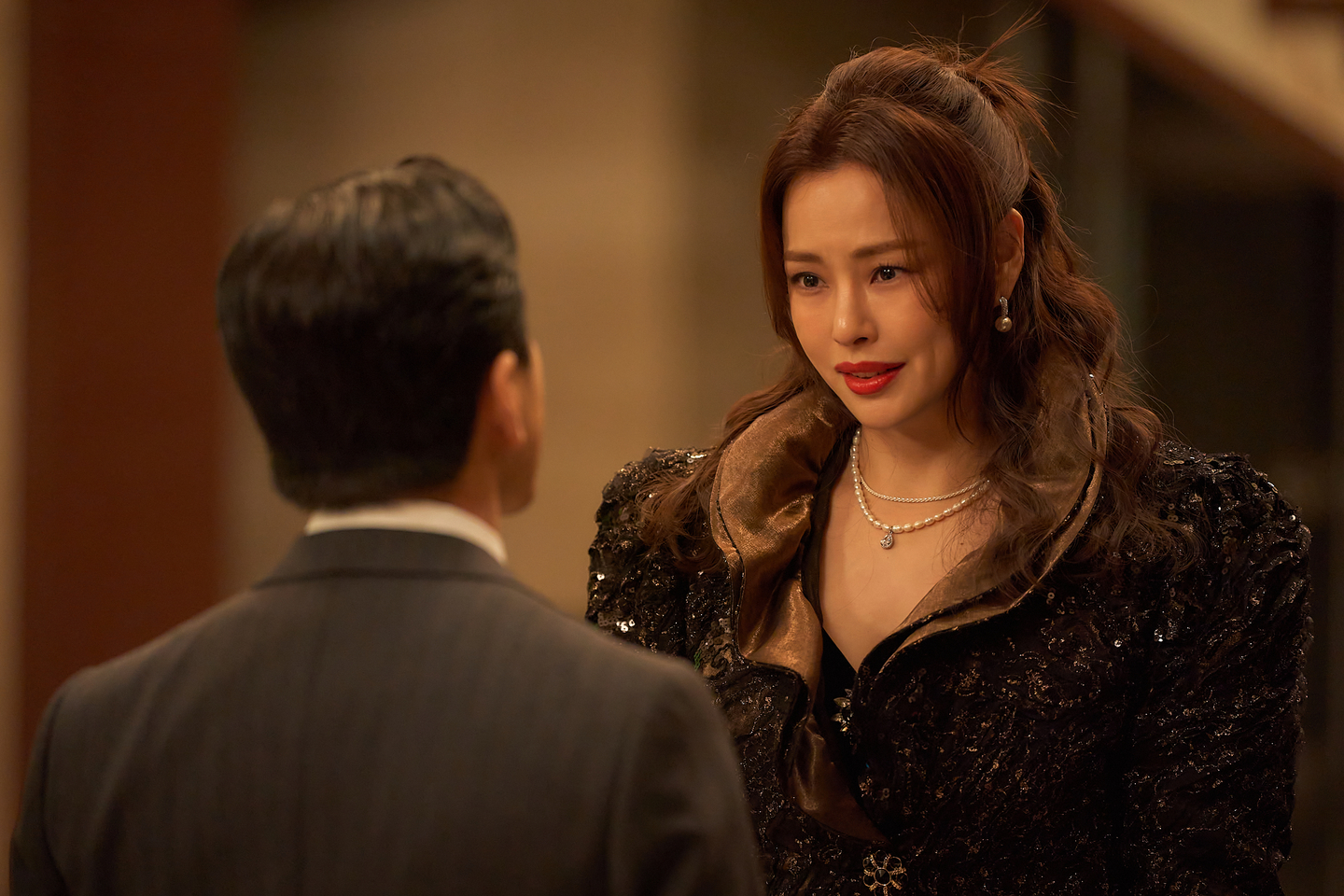
Shin Joo Ae, the mini Hee Ran: To me, Shin Joo Ae is the younger version of Jung Hee Ran. At the beginning of the drama, Shin Joo Ae is pure, untouched by society’s shortcomings. She’s has a thirst for success and wishes to rise above her condition. As a child, she explains that she left her house full of brothers because she didn’t want to spend her life washing their dirty underwear. This one small remark is enough to associate her with women’s fight at the time. Like Jung Hee Ran, Joo Ae wants to break free from the condition she’s put in by the patriarchal society. At first, she’s even willing to use her body to do so. Her breasts are the reason why she gets the role as Aema in the first place. However, she slowly realizes that this is not how she wants to succeed. She wants to keep her pride and remain at peace with her conscience. Hence, her refusal to have sex with one of the big shots during the banquet she participates in. Right from the start, Joo Ae clashes with Jung Hee Ran. The latter hates her and antagonizes her constantly. Later on, it becomes clear that Jung Hee Ran sees herself in Joo Ae. She’s taken back to her first role as an unknown actress 10 years ago. In a way, Hee Ran is mean and wants to push Joo Ae out in order to preserve her from the industry. She doesn’t want her to make the same mistakes she did and go through the same pains. But she eventually gives in and decides to take Joo Ae under her wings. She teaches her that to survive in this world, you have to turn into a ‘nasty bitch’. Shin Joo Ae greatly admires and respects Jung Hee Ran. Despite their tough beginnings, she considers Hee Ran a role model. She may be at the start of her career, but she understands that Hee Ran’s intervention to speak up means that she’ll never suffer what her ‘sunbae’ has suffered. After her rising ascension, Shin Joo Ae is caught up in a scandal. Her past as a dancer resurfaces which makes people criticize and abandon her. This also shows society’s paradox: people have no issue with watching a movie showing her naked, but they point their fingers at her if she has one small blemish on the picture. What an ironic sense of righteousness! Nevertheless, Shin Joo Ae has learned from Hee Ran. She rises from the ashes and kicks off her new career in Japan. She’s changed a lot in a year. She’s more assertive, stronger, but also less innocent and naive. She’s become a woman who’s following in her mentor’s footsteps, making Hee Ran proud. The next generation is assured.
Based on true facts: If you take the grotesque of the plot aside, the drama actually tackles societal topics related to the movie industry, women and the 1980s that are worth exploring.
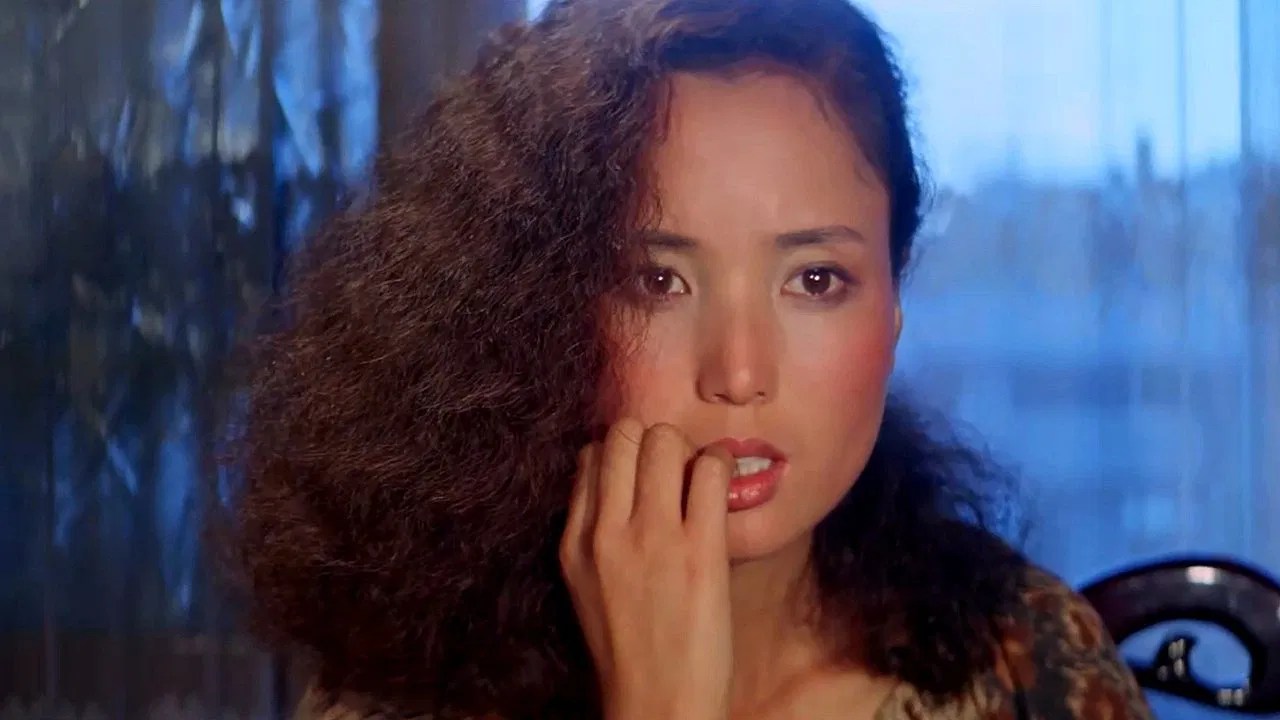
Madame Aema, the real movie: First of all, ‘Madame Aema’, known as ‘Aema Bu-in’ in Korean, is a real movie. It was released in 1982 (as shown in the drama), was a box office hit with more than 100,000 tickets sold in 1982 in Seoul, and I even suspect the drama to have used the original soundtrack in their reenactment scenes. Shin Joo Ae’s voice is indeed very high-pitched, while Hee Ran’s is very deep. There are other moments in the Netflix drama that are inspired by true facts. You have for example, the change of the Chinese character in the title from ‘Horse-Loving Lady’ to ‘Hemp-Loving Lady’, as both sound the same in Korean. In Aema, director Kwak In Woo and Producer Ku Jung Ho spend hours trying to find a new title that would be accepted by the government. The success of the movie is also true. It goes hand in hand with the more relaxed control of the government over the film industry through the 3S Act (Sex, Screen, Sports) and the end of the night curfew. These massive changes allowed people to see erotic movies late at night without fearing police arrest. Finally, most of the scenes, played by Hee Ran and Joo Ae, are also in the movie. This shows that Aema combines fiction and reality with a lot of subtlety. The plot is based on a real erotic movie that echoes characters’ lives in the drama. These same characters embody the hardships of South Korean citizens in the 1980s. You can thus put in parallel ‘Madame Aema’ (the original film) with Hee Ran and Joo Ae’s journeys. Some dialogues actually mirror the female leads’ desires and opinions. To give you an example, there’s a scene in the movie where Aema and Erika talk about freedom and independence whilst sitting in the grass. These same words are indirectly spoken by Hee Ran and Joo Ae. They also wish to be freed from norms and conventions, but more importantly from men. Though the last scene of the movie is destroyed by a poor sexual editing and thus completely crushes that message, female leads have already made up their mind to riot against the system.
The rising sexualization of women: The drama clearly highlights the objectification and sexualization of women in the Korean film industry. If you take a look at Jung Hee Ran’s career, she rose to fame in the 1970s thanks to movies that displayed her as an object of desire for men. Without even being aware of the editing of certain scenes, she turned into an erotic icon. Although this was a rather degrading qualification for the actress, production companies and directors kept on following that winning recipe. At the time, cinema was essentially made for men. The goal of these movies was to arouse desires. And men were the perfect target considering that they had control over society, enjoyed more freedom and rights than women, and were legit in experiencing pleasure and sex. However, movie makers also had to play with their scripts in order to avoid censorship. The government in place was a traditional and conservative dictatorship that didn’t really accept showing nudity on screen. Hence, the numerous revisions of the scenario of ‘Madame Aema’. Director Kwak In Woo rewrites it at least 3 times to showcase the sexualization of Aema, while abiding by the rules. That’s how he ends up making a raining scene in which Aema has a wet white dress that shows her breasts underneath. The hyper-sexualization and objectification of women was often done without actresses’ consent. They were not allowed to discuss the script, nor debate nonsensical scenes. Only Jung Hee Ran has enough power to reject these idiotic twists and question the director’s intentions. She’s been a victim of the male gaze for too long. That’s why she rises up against that industry that never takes into account women’s views, arguments, proposals and rejection. The final speech of a veteran actress, applauded for her long career during the award ceremony, shows an implicit clash between an actress who’s been forced to endure the imposed codes of the industry versus the new generation willing to break the rules to celebrate art rather than sex.
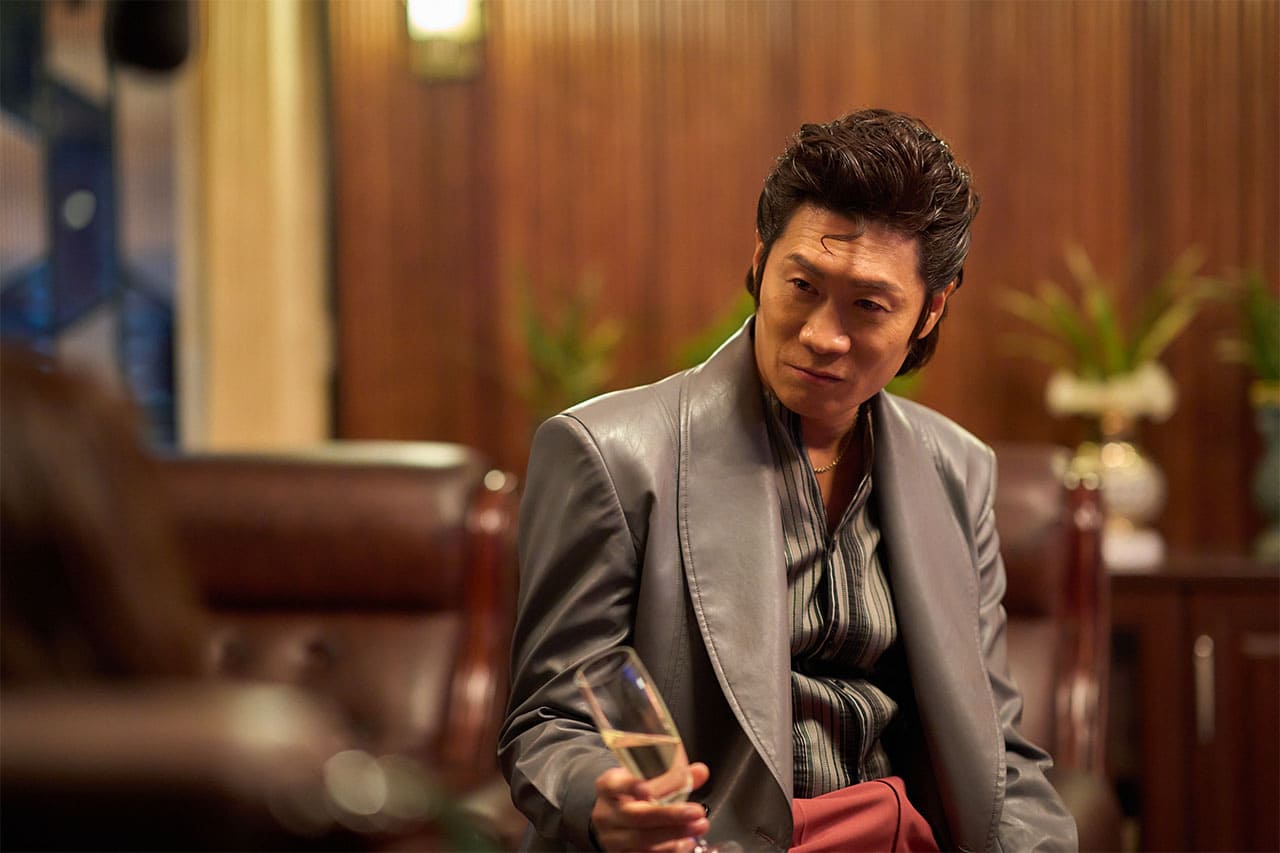
Women’s place in the industry: The drama unveils the numerous dark sides of the industry, especially for women. Actresses are sold by production companies to entertain/host men during secret banquets. Producer Ku Jung Ho is the mastermind behind these meetings. He’d organize receptions and would get paid by high-ranking men. In exchange, he’d force his actresses to participate. Even better if his protégés could have sex with men there. That way, the corrupt and vile producer would receive the favors of the government and his movies would be protected. Obviously, he acts as a real pimp, as Jung Hee Ran fairly points it out. The entire banquet sequence is a clear depiction of women’s place in the industry. They have to be pretty and well-dressed. Shin Joo Ae goes through that ritual. They need to be obedient, kind, smiling, happy to be there, even if they are dying inside. They have no right to speak against men present, no right to reveal what happens at the banquets. They should behave like trophies and be grateful that one of these people picks them as his favorite. Women are objects of fantasy, receptacles of unwanted attention, and subject to men’s impulses and needs. Worst part is that they are threatened if they don’t conform to these implicit laws. Ku Jung Ho has blackmailed Jung Hee Ran many times, asserting that she’d never be where she is without him and that her career would come to an end if she were to leave him. Hwang Mi Na is also a good example of the tragic life of certain actresses at the time. To succeed in the industry, Mi Na has chosen the ‘easy’ path. She’d use her charms to get roles, she’d sleep with the producer to bypass auditions, and would entertain wealthy unknowns to rise above her station. Unfortunately for her, these actions didn’t pay off the right way. Not only did she lose her dignity and pride in the process, but she’s also lost her life. Mi Na’s story is that of many actresses at the time. Contrary to Hee Ran and Joo Ae, who refused to play the games as men intended, Mi Na was crushed by the industry and its cruel rules.
The cinema industry in the 1980s: The cinema industry is not as glamorous as it seems. Though on the outside, you only see glitters and fame, the inner workings are much scarier. It’s a corrupt place. It can be a paradise for those who understand the rules, but true hell for those who don’t respect the game. As shown in the drama, production companies are allowed to make unlawful contracts with actresses. The latter are bounded by a piece of paper until their company decides to let them go. Jung Hee Ran is in that exact situation with Ku Jung Ho. She has signed a contract for 12 movies as a lead actress. Yet, Ku Jung Ho slightly changes the rules when Hee Ran makes her 12th movie ‘Madame Aema’. He argues that she’s not the lead in that movie, thus can’t go. Ku Jung Ho considers Jung Hee Ran as his cash cow. So, he won’t let her leave so easily. When it comes to making a movie, there’s only money that counts. The regime is corrupt. Ministers, officials, anyone in the government accept bribes. In exchange, they’d reject or accept a scenario. Censorship is up to the good will of government officials. Hence, Ku Jung Ho’s hard work to satisfy these people with his banquets. Production companies, investors, have all the rights over the movies. Directors are not free to make what they want. All along, Kwak In Woo dreams of making a new kind of movie, centered on women’s desires. However, Ku Jung Ho doesn’t share this artsy mindset. He wants sex, tits, and bosoms. So, he ruins the movie with poor editing. He’s the one with the money which allows him to do whatever he wants with the film. There’s no speak up in the industry. No woman can denounce harassment, ill-treatment, disrespect. They are only allowed to speak when they are asked to. On a broader scale, the drama also shows the society of the 1980s. Torture was common – the journalist who distributed tracts to the people is arrested by the regime – the system could betray you anytime – that’s what happens to Manager Choi (Lee Sung Wook) and drugs were the new game for the young generation – that’s how Mi Na dies. A dark industry lies within an even darker society.
The atypical vibe: The drama is a fascinating aesthetic piece with a very atypical vibe. It mixes grotesque, comedy, and the Japanese ‘ero guro nansensu‘. This art, coming straight from the island, was a literary and artistic movement, quite popular in the 1930s, that portrays erotism combined with grotesque and morbid elements. In the drama, director Kwak In Woo (Cho Hyun Chul), dreams of making ‘Madame Aema’ using that specific style. Therefore, many scenes in the fictional movie make no sense – like for example when Aema’s former lover becomes her upstairs neighbor, uses a ladder to get down to her apartment and almost rapes her, before being bandaged by Aema and Erika, and pulled up back (literally) to his balcony. The scene, characters’ reactions and behaviors, topped with the grotesque of the situation, fall perfectly into the mold of that surprising movement. Moreover, it almost seems like the originality and quirkiness of the ongoing movie spills over onto the reality of the drama. This leads to some unexpected and surprising scenes in characters’ actual lives, such as the final rescue scene in which Shin Joo Ae rides on a horse, in the middle of the street, to help Jung Hee Ran escape. For all of these reasons, Aema is an entertaining and surprising work of art, full of aestheticism and originality.
 Once Upon a Drama