Presentation

Korean Title: 모두가 자신의 무가치함과 싸우고 있다
Aired in: 2026 (12 episodes)
Channel: JTBC, Netflix
Grade: 10/10
Actors: Koo Kyo Hwan & Go Youn Jung
For more…
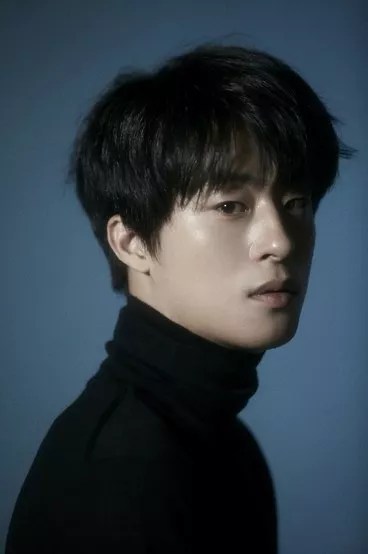


Koo Kyo Hwan:
– D.P.
– Monstrous
– One Day Off
– Parasyte: The Grey
Go Youn Jung:
– Alchemy of Souls S2
– Moving
– Resident Playbook
– Can This Love Be Translated?
K-Dramas written by Park Hae Young:
– Another Oh Hae Young
– My Mister
– My Liberation Notes
Overview
Synopsis
The story revolves around a group of people tormented by envy and jealousy, as they navigate their struggles and try to find peace. Among them, there is aspiring director Hwang Dong Man and producer Byeon Eun Ah.
My Opinion (No Spoiler)
There are dramas made for entertainment, and others that just speak to your soul. This one falls into the second category. As always, Park Hae Young manages to showcase ordinary people, full of doubts, insecurities, traumas and simply trying to survive their daily lives. There’s real poetry and comfort in the way Hwang Dong Man and Byeon Eun Ah understand each other. Their connection can’t be described nor defined with words. Just like most of the relationships in the show. Links between characters are not resumed to one emotion, but so many that collide with one another. It’s a slow drama – so not everyone may like it – but the pace makes you experience characters’ angst, relate to their troubles and embarks you on their journey. I also loved how the film industry serves as a background, a purpose and a challenge to all individuals. All in all, this is not really a drama that can be explained, you need to watch and feel the ambiance to understand.
Analysis
Characters
Hwang Dong Man
Byeon Eun Ah
The romance
Hwang Jin Man and Jung Mi Ran
Ko Hye Jin and Park Gyeong Se
The frenemies
Characters: There are many characters worth mentioning, but I will only focus on the most important ones in my opinion.
Hwang Dong Man: Hwang Dong Man (Koo Kyo Hwan) is the embodiment of resilience. He’s never let go of his dream for 20 years and eventually succeeded in his endeavor. He’s also a complex character whose imagination and life stories inspire others, but also threaten his relationships. As the only one who didn’t debut, he has a great sense of failure and worthlessness. To compensate, he feels the need to judge, criticize and bring his friends’ work down. That’s his only way of existing and protecting his remaining self-esteem. This eccentric and sometimes mean behavior clashes with members of the Eight Club, as it confronts them with their own insecurities. However, Dong Man is not easy to destroy. His craziness works in mysterious ways and enables him to twist some of the worst situations in his favor. This unexpected behavior is a constant source of joy and laughter for the audience, but also for Byeon Eun Ah (Go Youn Jung). He always makes her laugh and smile. At the end, Dong Man becomes a director and mends his relationships especially with Park Gyeong Se (Oh Jung Se). Only by going through his friends’ pain can he understand how harsh his criticisms were.
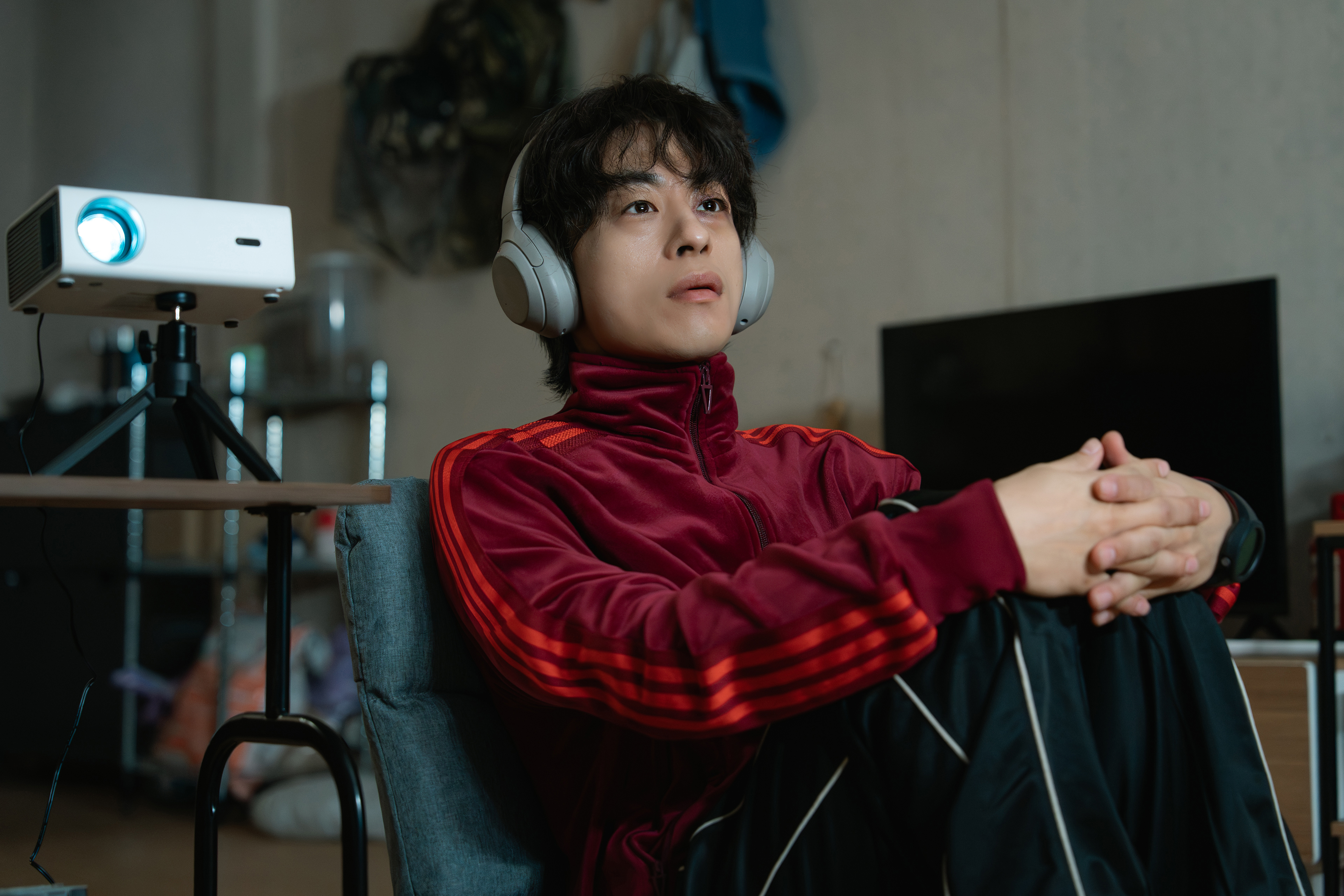
Byeon Eun Ah: When we first see her, Byeon Eun Ah is like the shadow of herself. She is a shrewd producer with amazing writing skills and a sharp tongue. But she’s been hurt by others and struggles to overcome her traumas. She feels stuck in her past, reliving her abandonment and hopelessness as a kid. The root cause of her problems is her mother who neglected her and left to become a top actress. Yet, their relationship is more complex than that. Her mother wants to ‘reconnect’ to protect her career and ambitions, but there seems to be a desire to push Eun Ah to her limits, so she’d eventually break out of her shell. Her mother is a trigger that drives her to therapy, the watch experiment and the affirmation of her talent as a writer. But she also fuels Eun Ah’s purpose in life: to be a strong mother. Ultimately this would mean that she’s able to protect herself as well.

The romance: There’s no word to describe how beautiful the leads’ romance is. There’s a real synergy, a connection that settles down slowly but surely. They are both hurt and obviously suffering, but they find comfort and solace in the other. Hwang Dong Man worships Byeon Eun Ah. She’s the light of his existence that he wishes to protect at all costs. He doesn’t understand how no one can see her real worth. So, he’s hell-bent on showing this gem to the world. Reversely, Byeon Eun Ah adores Dong Man. She appeases him and gives him a purpose. He’s a ray of sunshine that makes her life a comedy, full of joy and laughter. Therefore, she also wants to see him shine and show the world his talent.
Hwang Jin Man and Jang Mi Ran: There’s a duality in Hwang Jin Man’s (Park Hae Joon) personality. On the one side, he’s a poet who captures the essence of life with simple words. On the other side, he’s a tortured individual who can’t endure life without his missing daughter. After his divorce, his ex-wife gave her up for adoption and he’s never had any news since then. Jin Man is profoundly hurt and overwhelmed by guilt. This agony fueled his art, but also brought him to the brink of death. He attempts to commit suicide, yet is saved last-minute by his brother. Here again, there’s a connection between Jin Man and actress Jang Mi Ran (Han Sun Hwa). Though they have nothing in common, Mi Ran shares the same type of agony. She endures people’s harsh words, doesn’t have a special relationship with her mother nor feels attached to anyone in particular. She’s not loved and desperately aims to fill that void. Just like Jin Man has his daughter’s void to fill. I believe that’s the reason why Jang Mi Ran is touched by Jin Man’s poetry. He speaks to her soul. She can relate to his pain. At the end of the drama, Jin Man’s freed from this long-lasting torture. Thanks to Jang Mi Ran, he gets wind of his daughter’s whereabouts and can finally start to breathe again.
Ko Hye Jin and Park Gyeong Se: Marriage and work don’t necessarily go well together. Ko Hye Jin (Kang Mal Geum) is a producer and CEO, while her husband is a director. Many believe that he owes his debut and career to his wife, though his movies failed tremendously. Their relationship is full of cracks, but the respect they have for each other makes it hold on. Ko Hye Jin is a mature woman who’s willing to put her ego and pride on the side to pay the bills. Meanwhile, Gyeong Se is the childish director who pities himself and spirals out of control – to the point of even having feelings for another woman. Stress, anxiety and pressure are moving forces in their marriage. Thankfully, they know how to navigate a crisis and weather the storms.
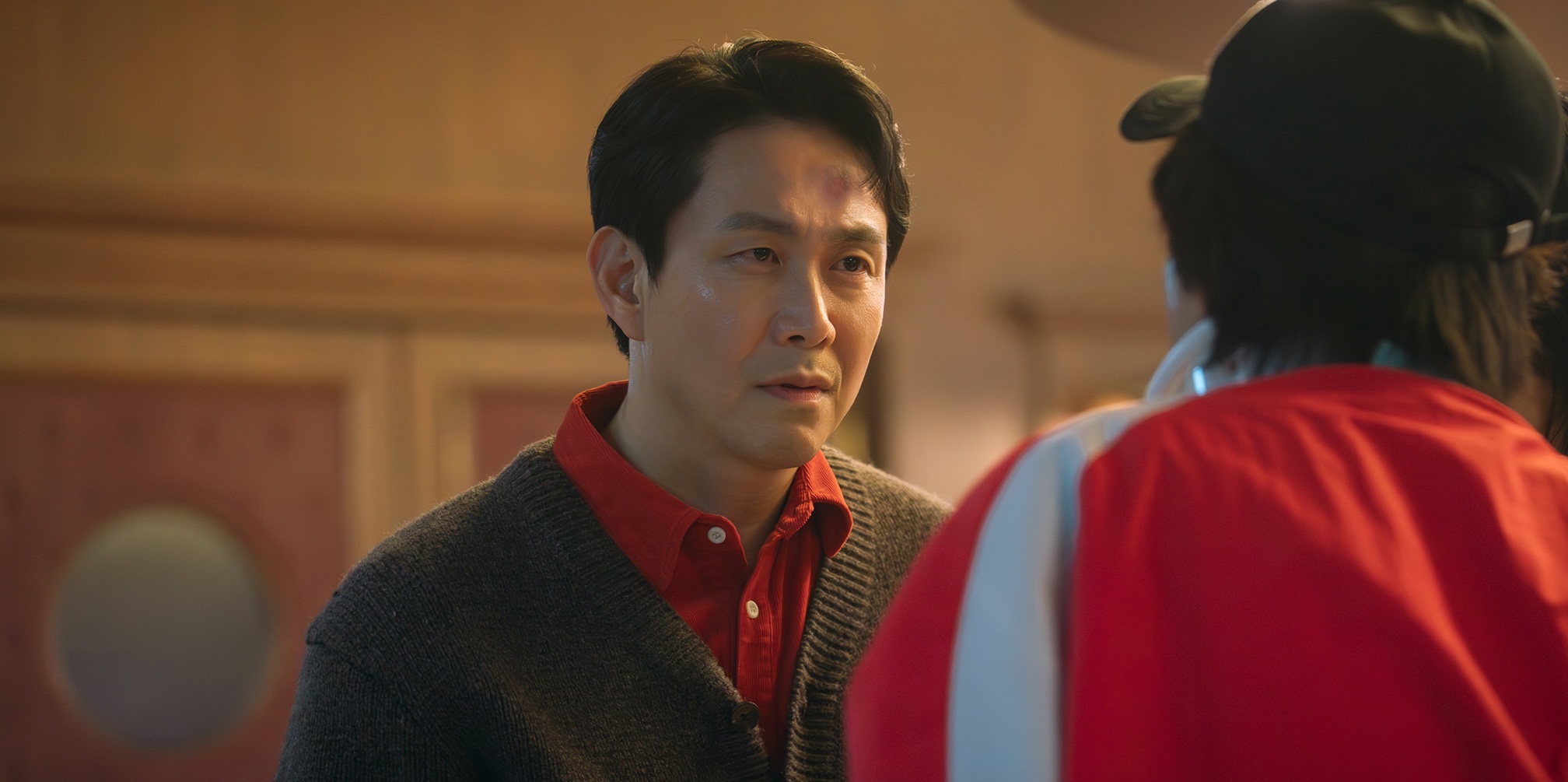
The frenemies: Hwang Dong Man and Park Gyeong Se are like magnets attracted to each other, but instantly pulling away when they get too close. They can’t help but fight, bicker, say mean words and reconcile. They are the true representation of frenemies. The love they share for movies is obvious, but the gap in their careers causes animosity, envy, jealousy, anger and frustration. Both are tired of this infinite cycle that only comes to an end when Dong Man debuts and reaches Gyeong Se’s level. Only then can the male lead understand his friend’s struggles and soften his judgement.
‘Masses of emotions’: Emotions are at the center of the drama, and of relationships on a broader scale. They rule our lives and impact our decisions. Some people easily understand them and thrive, others drown because of them. Hwang Dong Man and Byeon Eun Ah fall into that second category. They are overwhelmed by many emotions – mostly negative – that bring them down. Eun Ah gets nosebleeds – a physical reaction – while Dong Man gets defensive and inflicts pain to those around. Hence their participation to the emotion watch experiment. This tool is supposed to let them know what kind of emotion they are going through, so that they can react proactively rather than explode. This item is also the witness of their angst and unhappiness. It is constantly red, emphasizing that they are always walking on the edge of a cliff. Thanks to this new gadget and sessions with the doctor, Dong Man and Eun Ah reach enlightenment. They both manage to put a name on this terrible feeling eaten them away: a cry for help. When they are at their worst, they just wish someone would hear them and reach a friendly hand out. They are each other’s hand. The drama is the testimony of their therapy. At the end, Eun Ah manages to put words on her emotions, lessening their strength and liberating her from their power. She rationalizes her fears which dissipates them. By doing so, even without the watch, she’s found a way to save herself from drowning. This was the most beautiful epiphany I’ve seen in a drama. In Dong Man’s case, the watch is like a warning sign that protects him from self-destructing. After his argument with Gyeong Se, his watch rings showing ‘regret’. That’s a real awakening for the male lead who turns around, apologizes and reconciles with his long-lasting frenemy. Here, the watch acted as an alarm to protect Dong Man’s relationships.

‘We are all trying here’: The English title gives away the essence of the show. The story is about survival, enduring and resilience. All characters in the drama embody these values at work and in their personal lives. Whether it is the Eight Club – desperately trying to make a name for themselves in the film industry, Jang Mi Ran battling with her insecurities, or the leads resisting their negative emotions, everyone is fighting a quiet battle. This one sentence captures the reality of life. It is beautiful and ugly, comforting and devastating, cheerful and tragic. This is the fate of human beings. There’s something almost fatalistic about life in the drama. It is what it is and you should accept and endure your fate. Nevertheless, many characters refuse that condition and try hard to surpass it like Hwang Dong Man who still dreams of becoming a director after 20 years of failure. It’s the same for Eun Ah who wants to free herself from her traumas. After so many years of suffering, she refuses to let this continue. All in all, the message of the drama is a good one to take-away: life is not a walk in the park, we all suffer, but it’s worth living and fighting for.
Worthlessness: Though the English title conveys the essence, I think the original Korean title (‘Everyone is fighting against their own worthlessness‘) highlights the root cause of people’s angst: worthlessness. There’s not a single character (or individual on the planet) who’s not felt worthless once in their lives. Hwang Dong Man feels like he doesn’t exist because he’s not done anything in his life. He believes he’s invisible and only talking will make him seen by others. His feeling of worthlessness fuels this need to make his presence known. Byeon Eun Ah is an empty shell who feels like she doesn’t deserve to be loved, Oh Gyeong Se has made 5 movies that tanked. Despite being active, he feels like a failure. Hwang Jin Man supposes his existence is worthless without his daughter, hence his suicide attempts. Jang Mi Ran seems to have everything one can dream of, but she could easily be erased and not remembered by anyone, etc…
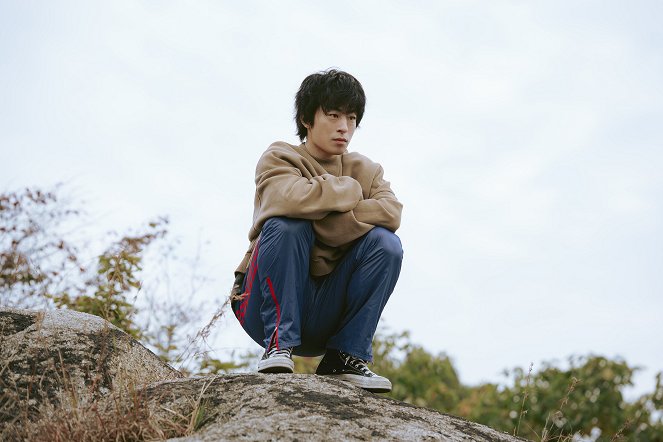
The film industry: The drama provides a broad overview of the inner workings of the film industry, showcasing its good and bad sides. Stress, fear, anxiety, sense of failure, criticism, disdain, hurt pride and low self-confidence rule this ruthless environment. Directors go through a myriad of emotions to make films. Actors are pressed by rumors and judged for their performances. Outsiders are disregarded. Whether you’re a PD, director, rookie actor, veteran actor, writer, or dream of joining this close circle, you’re exposing yourself to people’s hatred and cruelty. I liked that the drama didn’t embellish the reality of that tough industry. As a screenwriter herself, Park Hae Young is also in a good position to give a realistic portrayal of how this world functions behind closed doors.
Weather Maker: Weather Maker is Hwang Dong Man’s masterpiece. After 20 years of trying, this piece of art finally comes to light. This is the consecration of his suffering. Everyone recognizes that this scenario is gold and is astonished by how good it is. Even the top actor accepts to be in it, despite the director being a total rookie. Weather Maker is Dong Man’s revenge on life and the film industry that earns him an award – at last. One more philosophical note, I think the title is a metaphor of Dong Man’s desire to succeed. The weather is like life. It’s uncontrollable, full of twists and can bring you the sun as much as a terribly harsh winter. As a ‘maker’, Dong Man positions himself as an overarching god able to influence the weather but also his own life. He’s no longer a passive individual suffering from the unexpected, but a determined person who forges his own path. I think that’s also why his scenario is so successful to the public. It’s an ode to hope and dreams altogether.
Knock Knock Knock: This second scenario acts as Byeon Eun Ah’s own diary. In there, she pours her traumas, insecurities and hate for the world. She creates a main character who’s frightening, just like her own mother or people around are. It’s dark and original, like her imagination. This movie also highlights the dangers of the film industry, as her ex Ma Jae Young (Kim Jong Hoon) presents it as his own script at first. Thankfully, shrewd people recognize Byeon Eun Ah’s style and force Jae Young to credit her as well. Title-wise, Knock Knock Knock has its importance. Many people say that it’s a bad title that will not attract the audience. But it has its importance. Metaphorically, we can understand this as Byeon Eun Ah knocking on people’s door and trying to connect with the world. Reversely, this could a proof of her isolation and fear of having others enter her space and shattering her peace. I believe it’s also a good reference to her original trauma when she was abandoned at her house for 28 days, all alone and anxious to know when her parents would come back. A knock on the door could’ve been terrifying or comforting if it induced her parent’s comeback.
P.S.: The acting performance of ALL actors is top-notch, so I really hope they will be rewarded!

